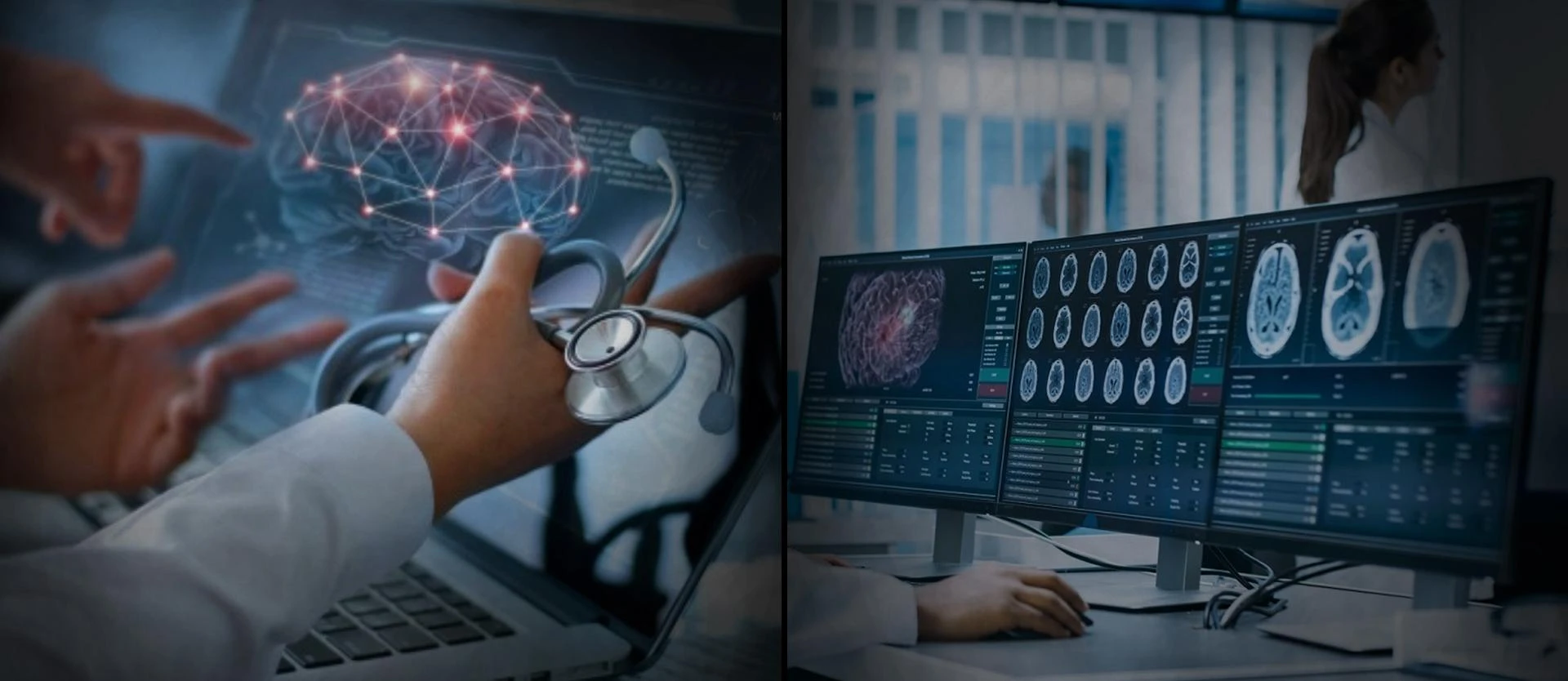

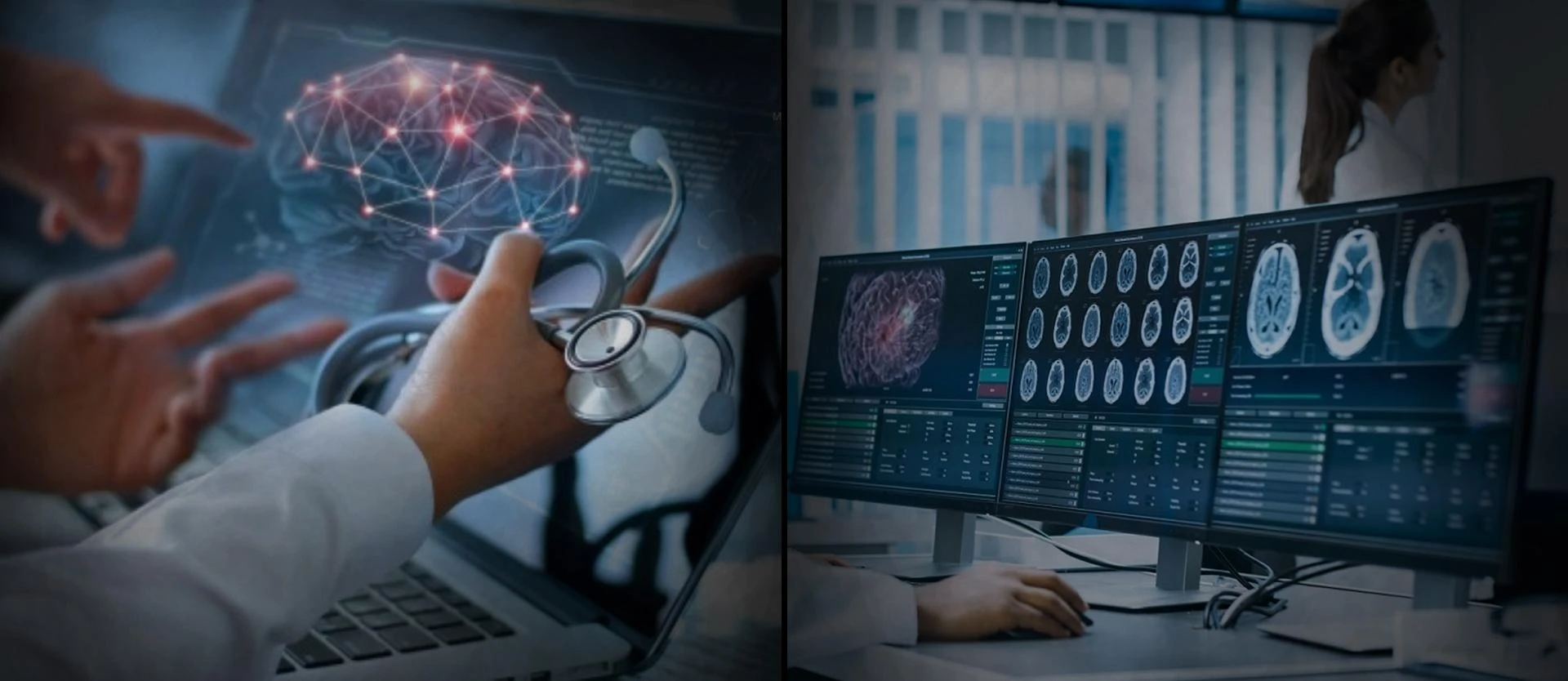
In the ever-evolving landscape of healthcare, the role of medical imaging cannot be overstated. Radiology, a field that relies heavily on high-quality imaging for accurate diagnosis and treatment, has seen remarkable advancements with the introduction of Picture Archiving and Communication Systems (PACS). These systems have revolutionized how radiologists access, store, and share medical images, leading to improved patient outcomes and enhanced operational efficiency. With the increasing adoption of PACS for radiology, medical professionals can now seamlessly access and analyze images from various modalities, such as X-rays, MRIs, and CT scans, all in one unified platform.
In this article, we will explore how PACS systems have transformed the field of radiology and how companies like Nandico are at the forefront of providing cutting-edge solutions to enhance medical imaging efficiency.
The Emergence of PACS for Radiology
Historically, radiology departments relied on physical film-based images that were often cumbersome to store, retrieve, and share. The manual handling of physical films not only posed logistical challenges but also increased the risk of errors and delays. With the rise of digital imaging technologies, the demand for a more efficient system to manage and archive these images became evident.
Enter PACS for radiology. PACS is a comprehensive system that enables healthcare professionals to store, retrieve, manage, and share digital medical images in a digital format. It eliminates the need for physical films and the limitations of manual record-keeping, offering a more efficient and streamlined approach to managing medical images. With PACS, radiologists can instantly access images from different imaging modalities and review them in high-definition on computer monitors, saving time and reducing the likelihood of errors.
Key Features of PACS for Radiology
PACS systems are equipped with several advanced features that make them indispensable in modern radiology practices. Let’s take a closer look at how these features contribute to improved medical imaging efficiency:
1. Centralized Image Storage and Access
One of the primary advantages of PACS for radiology is its ability to centralize medical images from multiple imaging modalities in a single repository. Instead of having to store films in separate locations, PACS enables radiologists to access all their images—whether from X-rays, CT scans, MRIs, or ultrasounds—from one unified system. This centralization not only saves physical space but also provides quicker access to medical images, ensuring that radiologists have everything they need at their fingertips.
2. Remote Access and Telemedicine
Another groundbreaking feature of PACS is the ability to access images remotely. In today’s fast-paced healthcare environment, time is often of the essence, and being able to access images from anywhere is a game-changer. This capability is especially valuable in the context of telemedicine, where healthcare professionals can review and interpret images from remote locations, providing consultations to patients in underserved areas or during off-hours.
For example, Nandico offers robust PACS solutions that enable radiologists to access patient images from any location, facilitating timely diagnoses and improving collaboration between medical professionals across different geographic locations.
3. Improved Workflow and Efficiency
PACS systems streamline the entire radiology workflow. The digital nature of PACS means that images can be uploaded, archived, and retrieved in a matter of seconds, significantly reducing the time spent on manual handling. With automated workflows, PACS systems also enhance the efficiency of the radiology department, allowing radiologists to focus more on analyzing images and less on administrative tasks.
The speed at which images can be accessed and shared also contributes to faster decision-making, ultimately improving patient care. Additionally, PACS can integrate with other healthcare systems, such as Electronic Health Records (EHRs), allowing for seamless communication and the sharing of patient data.
4. Enhanced Image Quality and Analysis Tools
PACS systems are designed to display high-resolution images, providing radiologists with a clearer and more detailed view of patient scans. This enhanced image quality improves diagnostic accuracy and allows for more precise analysis. Many PACS solutions, such as those offered by Nandico, come equipped with advanced image manipulation and analysis tools that enable radiologists to adjust contrast, zoom in on specific areas, and even perform 3D reconstructions of images.
These tools are invaluable in detecting abnormalities and making accurate diagnoses. With PACS, radiologists can thoroughly review images and share their findings with referring physicians in real-time, ensuring a more collaborative and comprehensive approach to patient care.
5. Secure and Compliant Storage
PACS systems adhere to stringent regulatory standards to ensure the security and privacy of medical images. This includes compliance with the Health Insurance Portability and Accountability Act (HIPAA) and other data protection regulations. By storing images in a digital format, PACS reduces the risk of physical damage or loss, and encryption technologies ensure that patient data is protected from unauthorized access.
PACS solutions offered by companies like Nandico prioritize data security, ensuring that healthcare institutions can maintain compliance while safeguarding patient confidentiality.
The Role of Nandico in Advancing PACS for Radiology
Nandico, a leading provider of healthcare technology solutions, has played a crucial role in enhancing the effectiveness of PACS for radiology. By developing and delivering innovative PACS solutions, Nandico empowers healthcare organizations to streamline their imaging processes and improve patient care. Their cutting-edge technology integrates seamlessly with existing hospital systems, making it easier for radiologists to access images, collaborate with colleagues, and deliver accurate diagnoses.
In addition to offering state-of-the-art PACS software, Nandico provides ongoing support and training to ensure that healthcare providers can maximize the benefits of their PACS systems. Their commitment to innovation and excellence makes them a trusted partner for healthcare institutions seeking to optimize their radiology workflows.
The Future of PACS in Radiology
As medical imaging technology continues to advance, the role of PACS in radiology will only become more integral. With the integration of artificial intelligence (AI) and machine learning (ML), future PACS systems will likely offer even more powerful image analysis capabilities, further enhancing diagnostic accuracy and efficiency.
The growing use of cloud-based PACS systems will also offer greater flexibility and scalability, allowing healthcare providers to store and access images from virtually anywhere in the world. This will further improve collaboration and enhance the global reach of telemedicine, benefiting patients and healthcare professionals alike.
Conclusion
PACS for radiology has undoubtedly revolutionized the way medical images are stored, accessed, and shared. By offering centralized image storage, remote access, enhanced workflow, and advanced image analysis tools, PACS has become an indispensable tool for radiologists around the world. As healthcare providers continue to embrace PACS solutions, companies like Nandico are leading the charge in delivering innovative, efficient, and secure PACS systems that are shaping the future of medical imaging. With these advancements, radiology departments can expect even greater efficiency and accuracy, ultimately leading to better patient outcomes and a more effective healthcare system.



























Sign in to leave a comment.