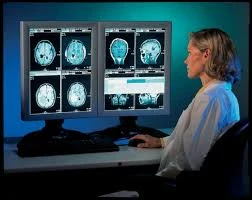

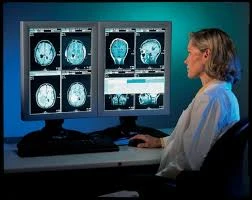
In today’s fast-paced healthcare environment, timely and accurate diagnostic information is crucial to providing optimal patient care. One of the groundbreaking innovations in this field is the integration of Teleradiology PACS (Picture Archiving and Communication System). This technological advancement is revolutionizing how medical images are captured, stored, and transmitted, enabling healthcare professionals to deliver efficient, effective, and accessible care. With companies like Nandico leading the charge, Teleradiology PACS is transforming patient care on a global scale.
Understanding Teleradiology PACS
Teleradiology PACS combines two key technologies: Teleradiology and PACS. Teleradiology involves the transmission of radiological images from one location to another, allowing radiologists and healthcare providers to interpret the images remotely. PACS, on the other hand, is a system that digitally stores and manages medical images, eliminating the need for physical films and enabling instant access to imaging data.
Together, Teleradiology PACS enhances the healthcare delivery process by improving the efficiency, accuracy, and accessibility of medical imaging. This combination enables healthcare professionals to share diagnostic images across vast distances, overcoming geographic limitations and reducing delays in diagnoses and treatment.
The Role of Teleradiology PACS in Remote Diagnostics
The most significant advantage of Teleradiology PACS is its ability to facilitate remote diagnostics. Traditionally, radiologists were required to be on-site to review medical images and provide interpretations. However, with Teleradiology PACS, images can be securely transmitted to radiologists in different locations, who can provide real-time feedback on diagnoses.
This remote diagnostic capability is especially beneficial in rural or underserved regions, where access to medical imaging professionals is limited. Teleradiology PACS enables healthcare providers in these areas to send images to experienced radiologists at advanced hospitals or diagnostic centers, receiving timely and accurate interpretations without the need for long travel distances or patient delays. By bridging the gap between patients and medical expertise, Teleradiology PACS helps improve the overall standard of care.
Increased Efficiency and Faster Diagnoses
The integration of Teleradiology PACS significantly increases the efficiency of the diagnostic process. In traditional systems, medical images were stored on physical films, which had to be manually transported to the relevant healthcare professionals. This process was time-consuming, prone to errors, and created logistical challenges in urgent situations.
With Teleradiology PACS, images are stored digitally, allowing for immediate access by any authorized healthcare provider. This system also enables rapid sharing of images across multiple departments or healthcare settings. For example, a radiologist can access an X-ray taken in a remote clinic, interpret it, and send the results to the treating physician within minutes.
The ability to transmit images quickly leads to faster diagnoses, enabling healthcare teams to begin treatment sooner. This is particularly important in critical care situations, where every second counts. Teleradiology PACS helps ensure that doctors and medical professionals can act promptly, improving patient outcomes and enhancing the overall efficiency of healthcare systems.
Enhancing Collaboration Between Healthcare Professionals
Another major advantage of Teleradiology PACS is the seamless collaboration it facilitates among healthcare professionals. In many cases, a single diagnosis may require input from multiple experts. For instance, a radiologist might need to consult with an oncologist or a cardiologist to discuss the findings of a CT scan or MRI. With Teleradiology PACS, these specialists can access the same images and collaborate in real-time, regardless of their physical locations.
This level of collaboration fosters better decision-making and ensures that patients receive comprehensive care. It also reduces the chances of misdiagnosis or missed diagnoses, as multiple experts can independently review the same images and discuss their interpretations.
Improving Access to Specialized Care
Specialized radiologists are not always available in every healthcare facility, particularly in rural or remote areas. Teleradiology PACS provides a solution by allowing local healthcare providers to send images to experts in major medical centers or specialized practices. This allows patients in underserved areas to receive expert-level care without having to travel long distances.
For example, a rural hospital can transmit imaging results from a patient suspected of having a stroke to a neurologist at a larger urban hospital. The neurologist can review the images remotely, confirm the diagnosis, and provide immediate advice on the next steps for treatment. This process significantly shortens the time it takes for patients to receive the care they need.
By improving access to specialized care, Teleradiology PACS helps level the playing field, ensuring that high-quality healthcare is available to a broader population.
Cost Savings and Resource Optimization
Teleradiology PACS can also lead to substantial cost savings for healthcare providers. By eliminating the need for physical films and the associated storage requirements, medical facilities can reduce their operational costs. Additionally, the ability to access and share images remotely can reduce the need for patient referrals or unnecessary follow-up visits, saving both time and money.
Moreover, by optimizing resource allocation, healthcare organizations can better manage their workforce. For instance, a single radiologist can interpret images from multiple healthcare facilities across different time zones, optimizing their workload and enhancing productivity. This efficiency also reduces the strain on healthcare systems, especially in busy urban hospitals.
Nandico’s Contribution to Teleradiology PACS
Nandico, a leading provider of advanced medical imaging solutions, plays a crucial role in the evolution of Teleradiology PACS. The company offers cutting-edge software solutions that help healthcare providers seamlessly integrate Teleradiology PACS into their practices. With Nandico's robust PACS systems, healthcare professionals can securely store, retrieve, and transmit medical images with ease, ensuring a smooth workflow and enhanced patient care.
Nandico’s PACS systems are designed to be user-friendly, scalable, and adaptable to the specific needs of various healthcare settings. Whether it’s a small clinic or a large hospital network, Nandico’s solutions enable healthcare providers to adopt Teleradiology PACS technology without disrupting their existing processes. With Nandico’s support, healthcare providers can unlock the full potential of remote diagnostics, improving the quality and speed of patient care.
The Future of Teleradiology PACS
The future of Teleradiology PACS is incredibly promising. As healthcare continues to evolve and embrace digital solutions, Teleradiology PACS will become even more integrated into everyday practice. With advancements in artificial intelligence (AI) and machine learning, Teleradiology PACS systems are expected to become more intelligent, with automated image analysis and decision-support features that will further enhance diagnostic accuracy.
In addition, as the global demand for telemedicine continues to grow, the role of Teleradiology PACS will become even more critical in ensuring remote patients receive timely and accurate care. With the support of innovators like Nandico, Teleradiology PACS will play an essential part in shaping the future of healthcare.
Conclusion
Teleradiology PACS is a transformative force in the healthcare industry, revolutionizing remote diagnostics and enhancing patient care. By improving efficiency, accessibility, and collaboration, this technology ensures that patients receive the timely, accurate care they need, regardless of their location. As companies like Nandico continue to lead the way in developing advanced PACS solutions, the potential for Teleradiology PACS to further revolutionize healthcare is limitless. With its ability to streamline processes, optimize resources, and improve patient outcomes, Teleradiology PACS is truly a game-changer in modern medicine.

























Sign in to leave a comment.