
In today’s fast-paced digital landscape, the collection, management, and analysis of data have become crucial for organizations across multiple industries. Traditional methods of data gathering, such as paper forms or manual entry, are increasingly being replaced by more efficient, accurate, and secure systems. One of the most impactful advancements in this field is electronic data capture (EDC), a technology that is revolutionizing how information is collected, stored, and utilized.
Understanding Electronic Data Capture
Electronic data capture refers to the process of collecting research or operational data electronically rather than on paper. This technology enables organizations to capture information in real time using digital devices such as computers, tablets, or mobile phones. By digitizing data collection, businesses and research institutions can streamline workflows, reduce errors, and improve overall data integrity.
Unlike traditional methods, EDC systems eliminate the need for manual transcription, which significantly reduces the risk of errors that often occur when transferring handwritten information into digital formats. Moreover, electronic systems allow for immediate validation and verification of data, ensuring higher accuracy from the moment of entry.
Key Advantages of Electronic Data Capture
- Accuracy and Data Quality One of the most significant benefits of electronic data capture is the improvement in data accuracy. Automated validation rules can check for inconsistencies, missing fields, or out-of-range values in real time, preventing incomplete or erroneous data from entering the system. This reduces the need for time-consuming audits and manual corrections later.
- Time Efficiency EDC drastically shortens the timeline for data collection and analysis. Traditional paper-based studies often require weeks or months for transcription, review, and verification. With EDC, data is collected digitally and can be accessed almost immediately for analysis. This speed is particularly valuable in clinical research, market research, and operational monitoring.
- Cost Reduction While the initial setup of an electronic data capture system may require investment, the long-term cost savings are considerable. Paper forms, printing, storage, and manual labor associated with data entry all contribute to higher operational costs. EDC reduces these expenditures while also minimizing the resources needed for error correction.
- Improved Compliance and Security Many industries, particularly healthcare and pharmaceuticals, are subject to stringent data privacy regulations. Electronic data capture systems often include secure data storage, encryption, and audit trails, making compliance with regulations like HIPAA or GDPR more manageable. The digital format ensures that sensitive information is protected and that any modifications to data are fully traceable.
- Enhanced Collaboration Because EDC systems store data digitally, multiple stakeholders can access the information simultaneously from different locations. This feature is especially useful for multi-site research studies or global operations where timely collaboration is essential. Teams can analyze and act on data without waiting for physical documents to be shared.
Applications Across Industries
Electronic data capture is not limited to a single sector; it has applications across various industries where accurate and timely data collection is crucial.
- Clinical Trials and Healthcare EDC has become a cornerstone of modern clinical trials. Researchers can collect patient information directly from electronic case report forms, monitor adverse events, and track study progress efficiently. By ensuring real-time data accuracy and security, EDC helps accelerate the drug development process while maintaining regulatory compliance.
- Market Research For companies conducting surveys and consumer studies, electronic data capture allows for immediate data collection and analysis. Online surveys, mobile questionnaires, and digital feedback forms enable researchers to gather actionable insights faster than ever before.
- Manufacturing and Quality Control In manufacturing, data capture systems can track production metrics, quality control checks, and operational efficiency. By digitizing these processes, organizations can quickly identify bottlenecks, ensure product quality, and optimize workflows.
- Education and Social Research EDC systems are also beneficial in academic and social research settings. Surveys, interviews, and assessments can be conducted digitally, making data collection more accessible and reducing the likelihood of human error.
Choosing the Right EDC System
Selecting an appropriate electronic data capture system requires careful consideration of several factors. Organizations should evaluate the following:
- User-Friendliness The system should be intuitive and easy to navigate for both data collectors and analysts. A complicated interface can lead to frustration, errors, and reduced adoption rates.
- Integration Capabilities EDC should seamlessly integrate with existing software platforms, such as electronic health records (EHRs), laboratory information management systems (LIMS), or business intelligence tools. Integration reduces data silos and ensures a smoother workflow.
- Scalability Organizations should consider whether the EDC system can scale with their needs. Whether expanding to new sites, increasing the volume of collected data, or adding new types of data points, scalability ensures the system remains useful as demands grow.
- Regulatory Compliance Particularly for healthcare, pharmaceutical, and financial applications, ensuring that the system meets regulatory requirements is critical. Features like secure access controls, audit trails, and encryption are essential for compliance.
- Support and Training Reliable vendor support and training resources are important to maximize the benefits of an EDC system. Proper onboarding ensures that teams can effectively use the system without delays or operational disruptions.
Overcoming Common Challenges
While electronic data capture offers numerous benefits, organizations may face challenges during implementation.
- Resistance to Change Employees accustomed to paper-based workflows may resist transitioning to digital systems. Providing adequate training and demonstrating the efficiency gains can help overcome this barrier.
- Technical Issues Connectivity problems, software bugs, or hardware limitations can disrupt data collection. Selecting a robust, well-supported system with offline data capture capabilities can mitigate these risks.
- Data Privacy Concerns Digital systems require robust security measures to prevent unauthorized access. Encrypting data, restricting access based on user roles, and regularly updating security protocols are essential steps to protect sensitive information.
Future Trends in Electronic Data Capture
The landscape of electronic data capture is evolving rapidly. Emerging technologies and trends are shaping its future and expanding its potential applications:
- Artificial Intelligence and Machine Learning AI and ML can enhance EDC systems by identifying patterns, predicting data inconsistencies, and automating data cleaning processes. This allows organizations to make faster and more informed decisions.
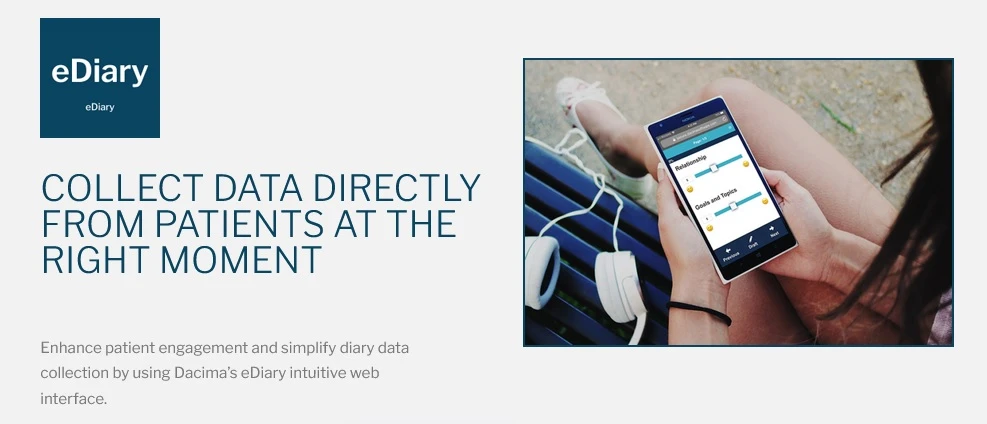
- Mobile Data Capture The use of mobile devices for data collection continues to grow. Mobile apps allow for data capture in remote or field settings, increasing flexibility and reach.
- Cloud-Based Platforms Cloud-based EDC systems provide scalability, remote access, and enhanced collaboration. They reduce the need for on-premises infrastructure and enable real-time updates across multiple locations.
- Integration with IoT Devices In sectors such as healthcare, manufacturing, and logistics, EDC systems are increasingly integrated with Internet of Things (IoT) devices. Sensors and connected devices automatically collect and transmit data, minimizing human intervention and improving accuracy.
The adoption of electronic data capture is transforming the way organizations handle information. By offering improved accuracy, efficiency, cost savings, and compliance, EDC is no longer an optional tool but a necessity for modern operations. From healthcare and clinical trials to market research and manufacturing, the benefits of digital data collection are far-reaching.
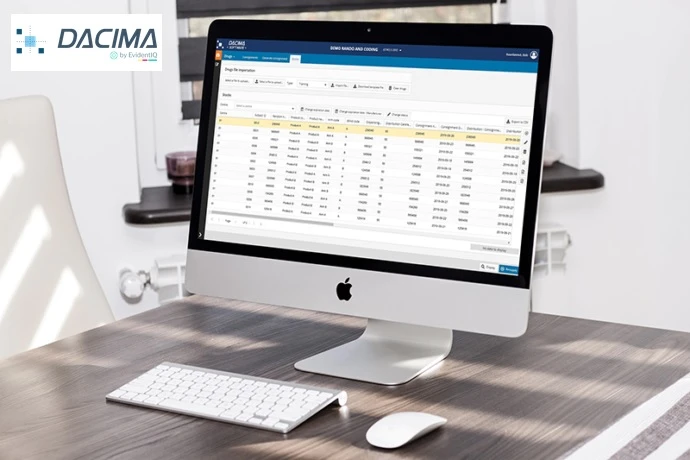
As organizations continue to embrace digital transformation, investing in robust, scalable, and secure EDC systems becomes critical for long-term success. For organizations seeking reliable solutions for electronic data collection, Dacima Software offers comprehensive expertise and support in implementing efficient EDC systems.




























Sign in to leave a comment.