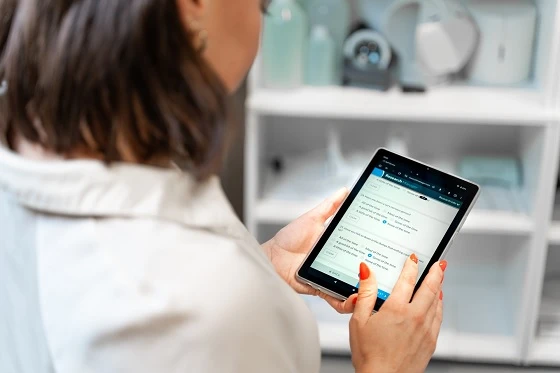

In the evolving landscape of healthcare, understanding the patient perspective has become essential for improving outcomes and shaping effective care strategies. Electronic patient Reported Outcomes play a critical role in this shift, allowing clinicians and researchers to capture firsthand information about symptoms, quality of life, and treatment satisfaction.
Collecting data directly from patients bridges the gap between clinical observations and real-world experiences. Traditional approaches often rely solely on clinician assessments, which may overlook subtle but impactful patient experiences. Patients live with the day-to-day effects of their conditions, and incorporating their input ensures a more comprehensive view of health.
Benefits of Digital Patient Reporting
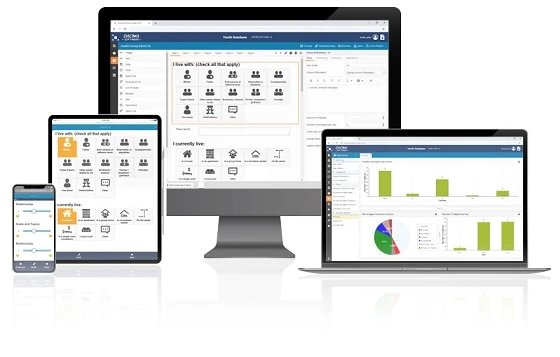
Electronic systems for capturing patient-reported information offer multiple advantages over conventional methods.
- Accuracy and Consistency: Digital entry reduces errors associated with manual recording and transcription.
- Real-Time Monitoring: Providers can track patient progress more frequently and identify complications early.
- Improved Engagement: Reminders and user-friendly interfaces encourage regular reporting and participation.
- Data Standardization: Standardized questionnaires ensure uniform measurement across patient populations and studies.
These benefits enhance both research and clinical care by providing timely, reliable, and actionable information.
Enhancing Clinical Trials with Patient Insights
In clinical research, patient-reported data has transformed how trials are designed and monitored. By integrating electronic reporting tools, researchers can collect longitudinal data, monitor adherence, and respond to adverse events more efficiently. This approach improves trial quality and supports more accurate evaluations of treatment effectiveness.
Decentralized trial models, which rely on electronic reporting, reduce patient travel burdens and increase inclusivity. Patients from diverse regions can participate without geographic constraints, leading to more representative data and broader generalizability of findings.
Personalized Care through Patient Feedback
Patient-reported information informs personalized treatment approaches. Two patients with the same medical condition may experience symptoms differently, and understanding these variations is crucial for tailoring interventions. Digital reporting systems allow clinicians to detect subtle changes in patient well-being, adjust medications, and recommend lifestyle modifications based on actual experiences rather than assumptions.
Personalized care also extends to mental health and quality-of-life considerations. Patients can report stress, anxiety, fatigue, or functional limitations that are often overlooked in routine visits. Incorporating these insights supports holistic care and better health outcomes.
Technology and Accessibility
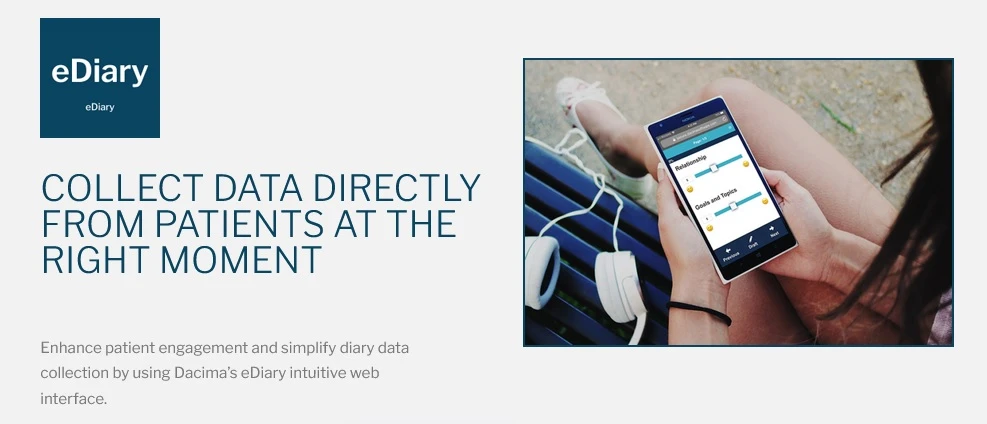
Modern electronic platforms are designed for accessibility and ease of use. Mobile applications, web portals, and tablet interfaces enable patients to report health information conveniently from home. Features such as multilingual support, adaptive questions, and progress tracking enhance usability and engagement.
Security is paramount in electronic reporting. Strong encryption, secure storage, and compliance with healthcare regulations protect sensitive patient data. Building patient trust is essential for sustained participation and the successful integration of these systems into routine care.

Analytics and Research Applications
Electronic patient-reported data also provides valuable analytical opportunities. Aggregated data can reveal trends, predict outcomes, and identify risk factors. Advanced analytics, including AI and predictive modeling, enable researchers to develop insights that were previously unattainable with conventional reporting methods.
Healthcare organizations can leverage these insights to improve clinical protocols, inform policy decisions, and optimize resource allocation. Insights derived from patient feedback ensure that strategies are grounded in real-world experiences and address the outcomes that matter most to patients.
Overcoming Implementation Challenges
Despite the advantages, implementing electronic patient reporting systems requires careful planning. Challenges include:
- Ensuring equitable access across diverse patient populations.
- Addressing digital literacy barriers.
- Integrating electronic data with existing electronic health records (EHRs).
Solutions involve patient education, accessible technology design, and collaboration between IT teams, clinicians, and researchers. Effective implementation enhances both patient satisfaction and data quality.
The Future of Patient-Centered Healthcare
The use of patient-reported data is a cornerstone of modern healthcare, promoting transparency, engagement, and evidence-based decision-making. By incorporating the patient voice, clinicians and researchers can better assess treatment effectiveness, monitor adverse events, and improve overall patient experiences.
Emerging technologies such as wearable devices and mobile health apps further enrich patient-reported information. Continuous monitoring and automated reporting systems provide a more dynamic, real-time understanding of patient health, supporting proactive care and precision medicine initiatives.
Conclusion
Digital collection of patient experiences is no longer optional but a necessary component of modern healthcare. Electronic Health Outcome Reports allow a more comprehensive understanding of health beyond traditional clinical measures, ensuring care decisions reflect real patient experiences.
By integrating these insights, healthcare providers can enhance patient safety, improve outcomes, and drive personalized care. This shift toward patient-centered healthcare, facilitated by modern digital solutions, marks a significant step forward in clinical research and everyday practice.
Related approaches such as patient feedback management systems continue to support the optimization of healthcare delivery and research efficiency dacima software.


























Sign in to leave a comment.