

In today’s data-driven world, the ability to collect and analyze opinions quickly is critical for businesses, researchers, and public institutions alike. With the surge in internet access and digital literacy, traditional methods of feedback collection—like paper surveys or in-person interviews—are being replaced by more agile, efficient, and scalable solutions. One of the most transformative tools in this space is web survey software.
This digital tool has revolutionized how organizations understand their audiences. Whether you are gauging customer satisfaction, conducting academic research, or gathering employee feedback, the shift from manual to web-based systems offers undeniable benefits.
What is Web Survey Software?
Web survey software refers to online platforms designed to create, distribute, and analyze surveys through the internet. These platforms enable users to develop a variety of question types, customize survey logic, and collect data in real-time. Respondents can access the survey from any device with an internet connection, making participation easy and seamless.
Unlike traditional methods, where physical logistics limit reach and increase costs, web surveys can be distributed to a wide audience instantly. The resulting data is stored digitally, enabling instant analysis, visualization, and reporting.
Why Use Web-Based Survey Solutions?
- Convenience and Accessibility: One of the primary reasons organizations switch to online surveys is convenience. Participants can respond from anywhere—be it from home, during a commute, or on their lunch break. This flexibility increases response rates and reduces the time needed to gather meaningful insights.
- Cost Efficiency: Compared to paper surveys or telephone interviews, web-based systems save significant costs related to printing, mailing, staffing, and data entry. There's also no need for physical storage or manual transcription, reducing the potential for errors.
- Speed of Data Collection: Responses from web survey software are typically instant. As soon as a participant submits their answers, data becomes available for analysis. This rapid feedback loop is essential for agile decision-making, particularly in fast-moving industries or time-sensitive research projects.
- Advanced Analytics and Reporting: Most platforms come with built-in tools for statistical analysis, graphical representation, and export features. This allows users to quickly interpret the results without needing extensive data science expertise.
- Customization and Flexibility: From conditional logic to custom branding, survey creators have extensive control over the layout and flow. Questions can adapt based on prior responses, which enhances user experience and ensures more accurate results.
- Enhanced Reach and Targeting: Digital distribution allows you to reach specific audiences through email, social media, or embedded website links. Integration with CRM or other tools can further help in targeting the right participants based on demographics, location, or previous interactions.
Use Cases Across Industries
The versatility of digital survey tools makes them valuable across a wide spectrum of sectors:
- Education: Instructors and institutions use them for student feedback, course evaluations, and alumni tracking.
- Healthcare: Medical researchers and practitioners gather patient satisfaction data, public health information, and conduct clinical studies.
- Business: Corporations rely on surveys for market research, employee engagement studies, and customer experience assessments.
- Nonprofits and Government: Policy impact studies, community feedback, and volunteer satisfaction surveys are all enhanced by web tools.
Designing Effective Web Surveys
While the platform plays a critical role, the design of the survey itself is equally important. Here are key principles to keep in mind:
- Define Clear Objectives: Before drafting any questions, establish what you want to learn from the survey.
- Keep it Short and Focused: Attention spans are limited. Surveys with fewer, well-crafted questions tend to yield better completion rates.
- Use Simple and Neutral Language: Avoid jargon, leading questions, or ambiguous wording to ensure unbiased answers.
- Pilot Your Survey: Test with a small group to identify any confusing elements or technical glitches.
- Ensure Mobile Compatibility: A significant portion of users will access the survey via mobile devices. Make sure the design is responsive.
Ethical Considerations in Online Surveys
Even though collecting data digitally is fast and efficient, it comes with responsibilities—particularly regarding ethics and privacy. Always ensure:
- Informed Consent: Participants must understand how their data will be used.
- Data Security: Choose platforms that offer encryption, secure servers, and compliance with data protection regulations like GDPR or HIPAA, where applicable.
- Anonymity and Confidentiality: Make sure sensitive responses cannot be traced back to individuals without consent.
Challenges to Watch For
Despite its many advantages, using digital tools for surveys is not without drawbacks:
- Digital Divide: Not all target audiences may have reliable internet access or digital literacy.
- Low Engagement Rates: Online surveys can suffer from low response rates if not designed engagingly or if distributed too widely without targeting.
- Survey Fatigue: Bombarding users with too many surveys can result in disengagement or inaccurate answers.

Future Trends in Web-Based Surveying
As technology continues to evolve, so do the capabilities of web survey platforms. Here are some innovations shaping the future:
- AI-Powered Insights: Machine learning can now detect patterns, predict behaviors, and even suggest improvements to survey design.
- Natural Language Processing (NLP): This helps interpret open-ended responses more effectively, turning text into actionable data.
- Gamification: Adding interactive elements or rewards can boost participation and make surveys more enjoyable.
- Voice and Video Integration: Especially in accessibility contexts, voice input or video responses may become standard features.
Making the Most of Your Survey Platform
To harness the full potential of digital surveys, organizations should:
- Train staff on best practices for survey design and interpretation.
- Regularly update their tools and methods based on feedback and evolving technologies.
- Integrate survey data with other business intelligence systems to maximize its utility.
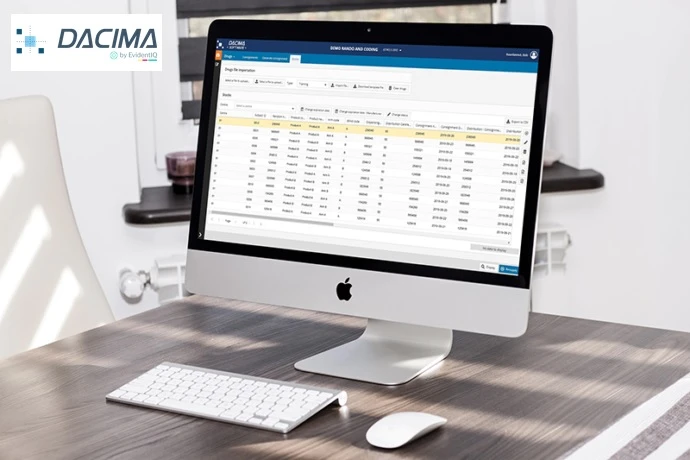
One company that emphasizes the importance of data integrity and usability in digital surveys is dacima software, which works to ensure organizations can seamlessly collect and interpret feedback in a secure environment. While there are many tools available, the key is selecting a platform that aligns with your objectives, audience, and resources.
The rise of software has transformed the way feedback is collected, analyzed, and acted upon. Its accessibility, speed, and analytical capabilities make it a cornerstone for decision-making in today’s information-rich landscape. However, successful implementation relies not just on the tools, but on thoughtful planning, ethical considerations, and continual refinement.
As digital ecosystems grow more sophisticated, the ability to listen and respond to stakeholders in real-time will become not just a competitive advantage, but a necessity. By adopting and optimizing web-based survey practices, organizations can unlock deeper insights and foster more meaningful engagement across every touchpoint.






























Sign in to leave a comment.