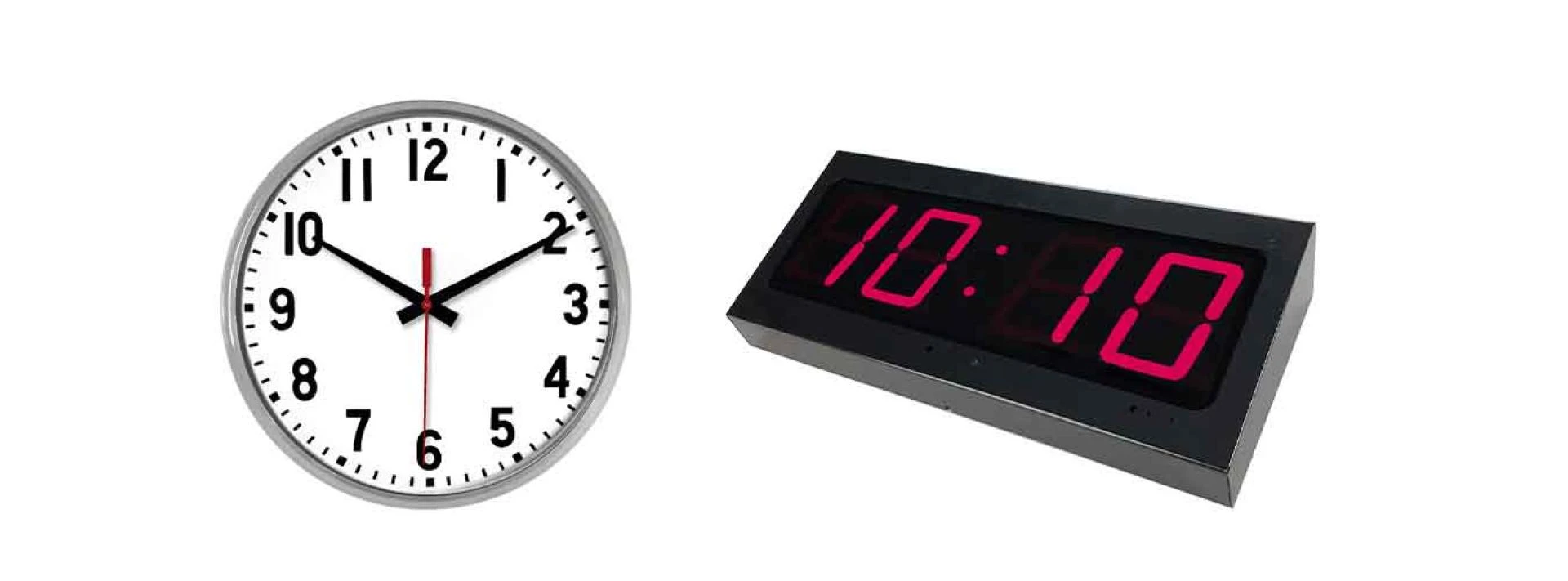

Since the invention of sundials and water clocks in the past, timekeeping has advanced significantly. We now have a wide variety of clocks, from classic mechanical clocks to contemporary WiFi digital clocks that may be operated by voice or mobile devices.
The First Step Toward Precision Is Electric Clocks
The first big step toward precise timekeeping was the invention of electric clocks. Mechanical clocks before the development of electric clocks as the main means of timekeeping. On the other hand, mechanical clocks were less precise and frequently lost or gained time in response to changes in temperature and other external conditions.
In contrast, electric clocks employed an oscillating electric current that was powered by electricity to keep time. This drastically decreased the margin of error and increased accuracy compared to mechanical clocks. Also, electric clocks were simple to repair and were less susceptible to environmental influences.
WiFi Digital Clock: The Next Generation of Timekeeping
The development of digital technology has made timekeeping more accurate and practical than ever. The most recent innovation in timekeeping is the WiFi-enabled digital clock, which has many benefits over conventional electric clocks.
The accuracy of digital clocks with WiFi is one of their main benefits. WiFi digital clocks use quartz crystals, which offer more precise timekeeping compared to the oscillating current utilized in electric clocks. Quartz crystals vibrate at a certain frequency that measures time. Because of this, digital clocks with WiFi are very accurate and can maintain time to within a few microseconds daily.
Digital clocks with WiFi also have the benefit of being convenient. Digital clocks with WiFi capabilities connect to the internet, enabling remote operation. This feature proves especially helpful when synchronizing numerous clocks or accessing clocks in hard-to-reach areas. Users find WiFi-enabled digital clocks particularly user-friendly as they can operate them with mobile devices or voice commands.
Electric and Wi-Fi Enabled Digital Clock Comparison
WiFi-enabled digital clocks have several benefits over conventional electric clocks, but they also have some disadvantages. Let's examine each sort of clock's advantages and disadvantages in more detail.
Accuracy: Digital clocks on WiFi, as we've already mentioned, are far more accurate than electric clocks. Quartz crystals, as opposed to the oscillating current utilized in electric clocks, are a considerably more accurate way to keep time in digital clocks on WiFi. On the other hand, depending on the temperature and other environmental circumstances, electric clocks may advance or recede in time.
Maintenance: Electric clocks are relatively simple to maintain and just need occasional servicing. WiFi-enabled digital clocks, on the other hand, require frequent software upgrades to keep them operating properly. Digital clocks can also be trickier to fix when they malfunction.
Convenience: WiFi digital clocks are significantly more practical than electric clocks in terms of convenience. They are simple to synchronize with other clocks and are remotely controllable. On the contrary, human adjustments are necessary for electric clocks to sync with other clocks.
Cost: Digital clock wifi have the potential to be more expensive than electric clocks, especially if they are internet-connected. However, the accuracy and convenience they provide can make the extra expense worthwhile.
Digital clocks with WiFi, which are very accurate and practical, have emerged as a result of the progress of timekeeping. Traditional electric clocks, on the other hand, continue to have a use and provide a simpler and more cheap alternative. Your demands and tastes will ultimately determine whether you choose electric clocks or Wi-Fi-enabled digital clocks. WiFi-enabled digital clocks can be your best option if you need great precision and remote control. An electric clock, on the other hand, can be a better choice if you need a dependable timepiece that is inexpensive to purchase and maintain.


























Sign in to leave a comment.