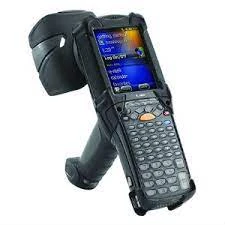

Our interaction with technology has changed a lot, and RFID kiosks are a big part of this change. These modern, easy-to-use kiosks are revolutionizing how businesses operate, providing great convenience and efficiency. Whether for asset tracking or improving customer service, RFID kiosks connect technology and real-world needs in a new way.
What Exactly is an RFID Kiosk?
An RFID kiosk is a self-service station that uses Radio Frequency Identification (RFID) technology. It enables fast and easy interactions, improving tasks like product checkouts, asset tracking, and inventory management. Its strength is reading and processing information from RFID tags instantly, without needing manual input or waiting.
Streamlining Asset Tracking with RFID Kiosks
Tracking assets is important but can be tough for businesses. Monitoring inventory, tools, or equipment often leads to logistical problems. RFID kiosks are a great solution for this.
Asset tracking RFID in India is becoming popular and RFID kiosks provide an effective way to keep track of assets in real time. They can read many RFID tags simultaneously, giving quick updates on where assets are, how they move, and how they are used. Picture the convenience of scanning a whole pallet of items with just one wave, removing the need to check each item individually.
Industries such as logistics, manufacturing, and healthcare find this ability extremely useful. RFID kiosks help minimize mistakes and save time, enabling companies to concentrate on what counts: growth and new ideas.
Enhancing Customer Experience
RFID kiosks enhance not only backend efficiency but also customer service. In retail, these kiosks allow for speedy self-checkouts. Customers can place their items on the kiosk, and the RFID reader automatically adds up the cost. This means no barcode scanning or waiting in lines, leading to a smooth shopping experience.
It offers businesses a way to connect with customers more personally. By using RFID loyalty cards or tags, customers can receive customized suggestions, discounts, or services that match their likes and past purchases.
The Role of RFID in Smart Spaces
India is quickly adopting RFID kiosks in many areas, making environments smarter and more connected. In libraries, these kiosks make borrowing and returning books easier. In public transport, they improve ticketing processes. Events and exhibitions also use this technology for quicker registrations and better access control.
RFID kiosks can easily fit into current systems, making them very flexible. They are useful for tracking items in warehouses and controlling visitor movement in busy places, showing their wide range of uses in different fields.
Why Choose RFID Kiosks?
- Efficiency: It handles tasks in seconds, reducing wait times and improving productivity.
- Accuracy: They eliminate manual errors, ensuring data reliability for asset tracking and customer interactions.
- Cost-Effectiveness: By automating processes, businesses save on labour costs and operational inefficiencies.
- Scalability: It is flexible enough to cater to businesses of all sizes and industries.
Future-Proof Your Business
The world is shifting towards quicker and smarter solutions, with RFID kiosks at the forefront. Businesses are seeking ways to improve their operations and user experiences, making RFID technology essential rather than optional. By combining convenience with technology, it is creating a future where efficiency and innovation work together.
Adding an RFID kiosk to your business plan is more than just following trends; it’s about leading them. This technology can change how we track assets in India and engage with customers. So, why wait? The future of convenience is now—welcome it.


























Sign in to leave a comment.