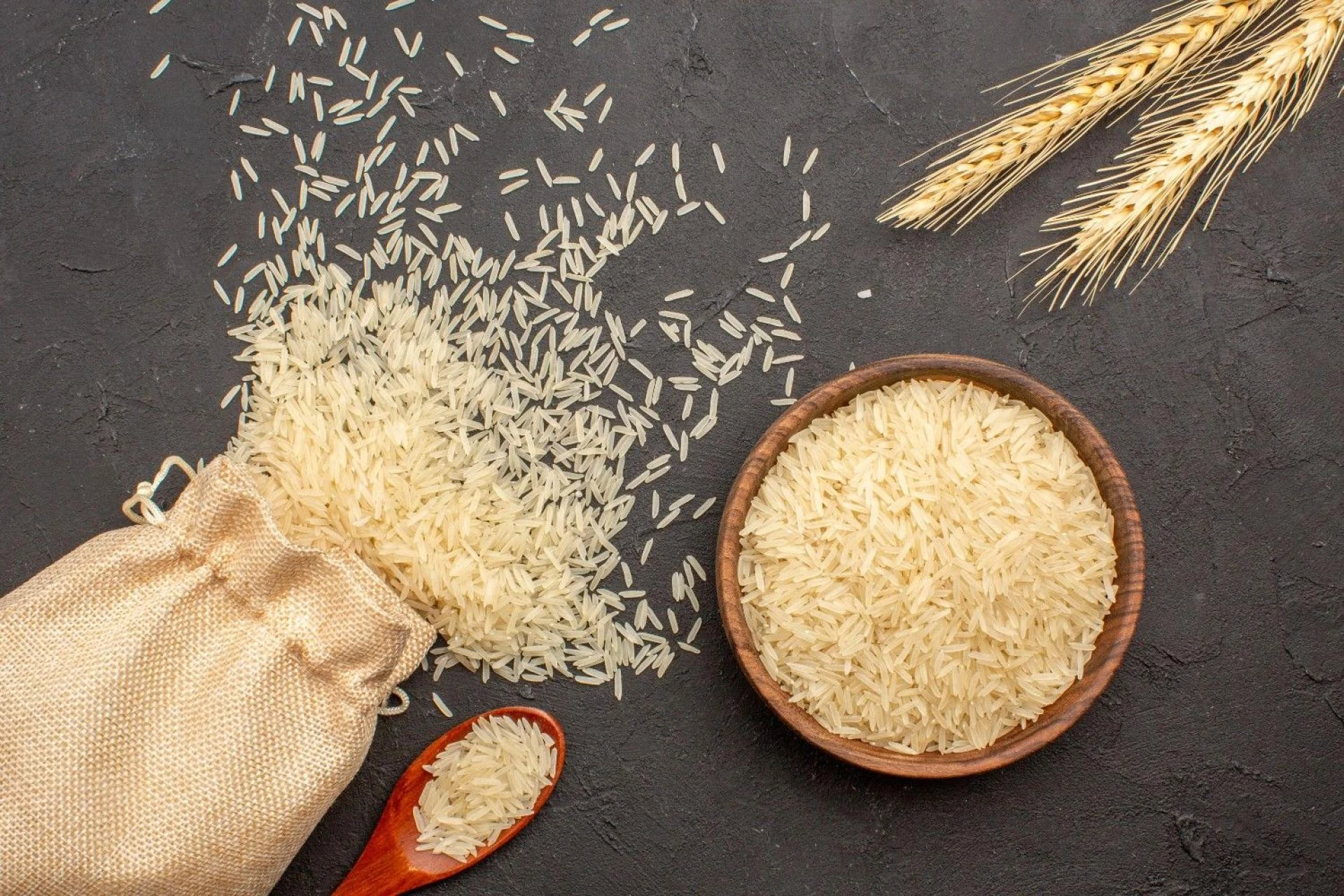

If you’ve grown up in India, rice has always been around you. Morning meals, lunch tiffins, weddings, festivals, small roadside eateries—rice is everywhere. What most people don’t think about is how much of that rice actually leaves the country. And that’s where rice exporters in India come into the picture.
This isn’t some fancy, glossy business from the outside. It’s practical. It’s hands-on. And honestly, it’s built on years of trial, error, and experience.
Why Indian Rice Is Everywhere
You’ve probably seen Indian rice in foreign supermarkets. Sometimes it’s basmati with long grains. Sometimes it’s simple white rice packed in big bags. The reason it reaches so many countries is simple. India grows a lot of rice, and it grows many types of rice.
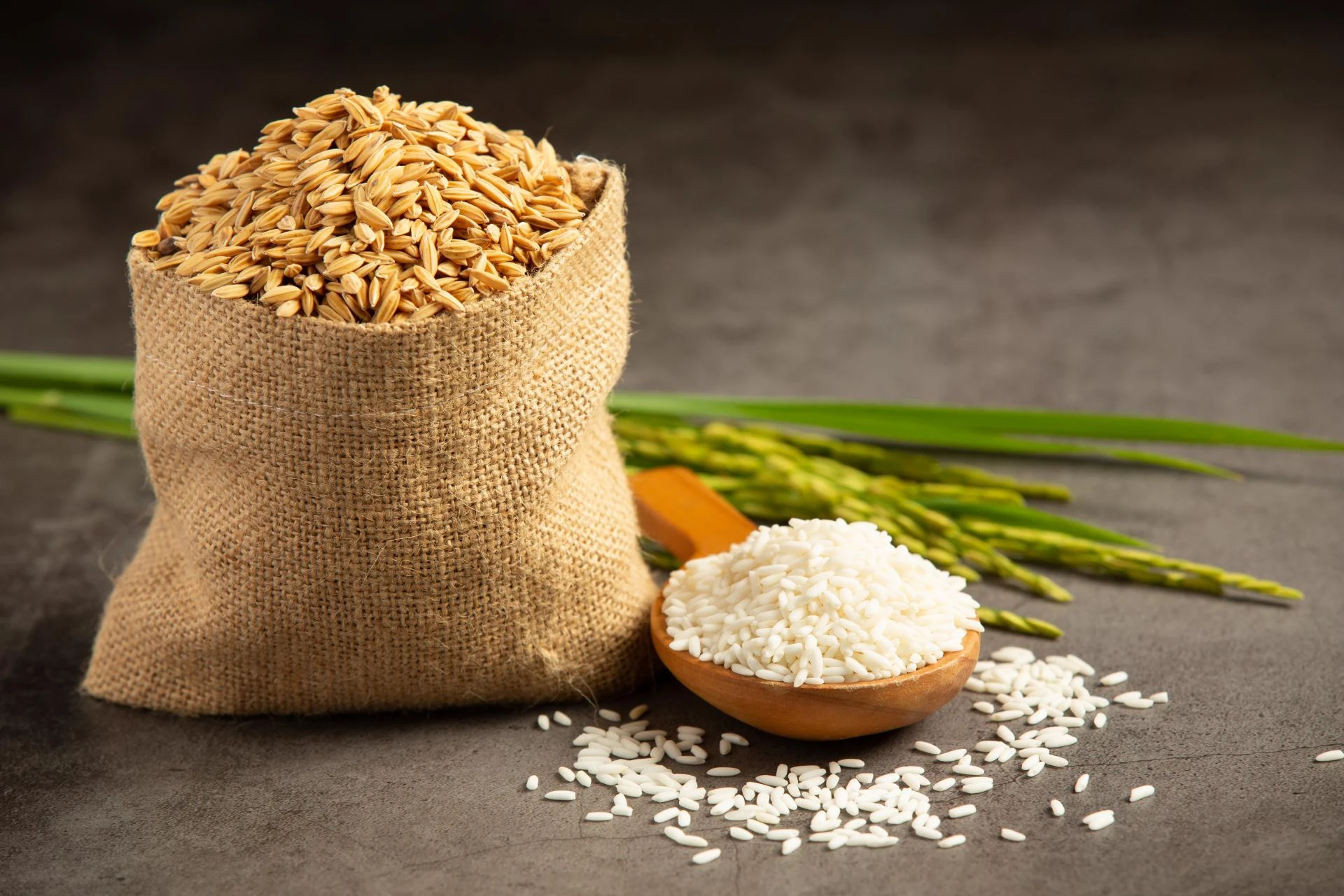
Different regions grow different varieties. Punjab and Haryana are known for basmati. Eastern states grow non-basmati rice in huge volumes. Southern India supplies parboiled rice that lasts longer and cooks differently. Because of this variety, rice exporters in India can match what buyers actually want instead of pushing one single product everywhere.
And trust me, buyers are very specific. One country wants soft rice. Another wants firm grains that don’t break during cooking. Exporters learn these preferences over time.
What Rice Exporters Actually Do
From the outside, people think exporters just buy rice and ship it. That’s not how it works.
Most exporters start at the mill level. They work closely with farmers or mill owners. Rice is checked for grain length, moisture, color, and breakage. If the rice doesn’t meet export quality, it doesn’t move forward. No shortcuts there.
After that, cleaning and sorting happen. Stones, dust, damaged grains—everything has to go. Then comes packing. Some buyers want 5 kg bags. Some want 25 kg. Others order bulk containers without branding. Every order looks different.
This is why experienced rice exporters in India matter. They know how to handle custom requirements without messing things up.
Real Reasons Buyers Stick With Indian Exporters
Here’s the funny thing. Price matters, but it’s not everything.
Yes, Indian rice is affordable compared to many other countries. That helps. But what really keeps buyers coming back is consistency. If a buyer orders rice today and gets the same quality six months later, that builds trust.
Also, Indian exporters are flexible. Shipping delays happen. Port issues come up. Documents sometimes need changes. A good exporter communicates clearly instead of disappearing. Buyers remember that.
That’s why many export relationships last for years, not months.
Different Types of Rice That Go Out of India
People often think India only exports basmati. That’s only half the story.
Basmati is popular, no doubt. Long grains, aroma, premium feel. But non-basmati rice moves in much larger volumes. Countries in Africa, parts of Asia, and the Middle East import this rice regularly.
Parboiled rice is another big one. It handles storage well and doesn’t break easily. Broken rice also has demand, especially for food processing and animal feed.
Good rice exporters in India don’t rely on just one type. They understand market demand and keep options open.
Paperwork: The Part Nobody Talks About
Let’s be honest. Export paperwork is boring, but it can ruin a shipment if done wrong.
There are quality certificates, shipping documents, customs clearance papers, and buyer-specific requirements. One missing detail can delay a container for days.
This is where experience saves money. Exporters who’ve been around know the system. They double-check documents. They stay updated with export rules. It’s not glamorous, but it keeps business running.
Challenges That Don’t Show Up on Websites
Every export business has problems. Rice exporting is no different.
Weather affects crops. Government policies change suddenly. Freight rates go up without warning. Sometimes buyers cancel orders at the last moment.
The thing is, rice exporters in India who survive long-term learn to stay calm. They keep backup buyers. They don’t depend on one market. They plan stock carefully.
This isn’t luck. It’s learned behavior.
How Technology Fits In (Without the Fancy Talk)
Modern exporters do use machines now. Sorting machines improve quality. Moisture testing reduces spoilage. Tracking systems help monitor shipments.
But technology doesn’t replace experience. It supports it. A machine can sort grains, but it can’t judge buyer expectations. That part still comes from human judgment.
Sustainability Is Slowly Becoming a Thing
Some exporters are now paying attention to how rice is grown and packed. Less water usage. Better storage. Reduced waste.
Is everyone doing it? No. But the shift has started. International buyers are asking questions, and exporters are responding.
This will matter more in the coming years.
What the Future Looks Like
Demand for rice isn’t going anywhere. If anything, it’s increasing. Population growth, food security needs, and changing diets keep rice relevant.
India is well-positioned here. Infrastructure is improving. Export knowledge is stronger than before. New markets are opening up.
For rice exporters in India, the road ahead isn’t perfect, but it’s promising.
Final Thoughts
Rice exporting isn’t flashy. It’s steady work built on relationships, quality checks, and showing up when it matters.
India didn’t become a major rice exporter overnight. It happened slowly, through farmers, millers, and exporters learning what works and what doesn’t.
And that’s why Indian rice keeps reaching plates across the world. Not because of big words or fancy marketing, but because the system, imperfect as it is, gets the job done.



























Sign in to leave a comment.