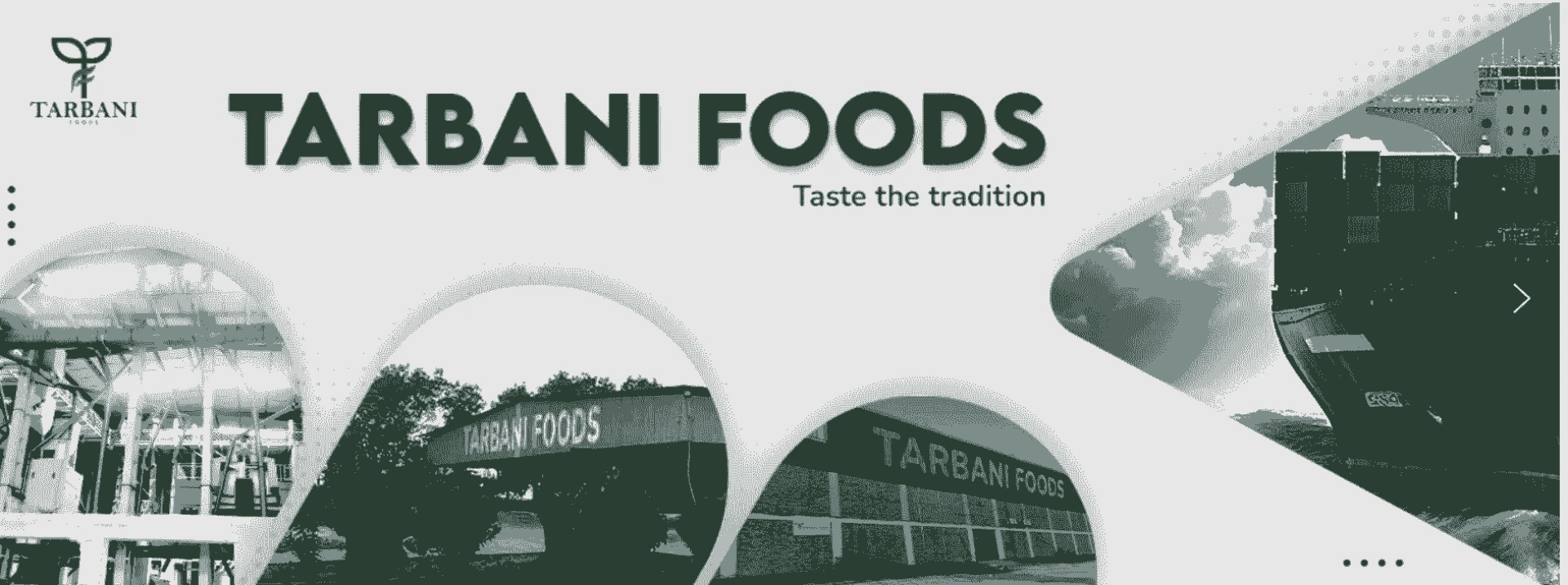

Rice holds a significant place in Pakistan's agricultural landscape and cultural heritage. As one of the world's leading rice producers and exporters, Pakistan boasts a robust rice milling industry that plays a pivotal role in the country's economy and sustenance of millions of livelihoods. The rice mills scattered across the plains of Punjab, Sindh, and other agricultural regions are not just industrial units but the beating heart of a vital sector.
A Cornerstone of Agriculture:
Pakistan's agricultural sector is the backbone of its economy, contributing substantially to its GDP and employing a significant portion of the workforce. Among its agricultural produce, rice stands out as a crucial commodity. The country is blessed with fertile lands and a favorable climate, making it conducive for rice cultivation.
Rice milling, the process of transforming paddy into polished rice, occupies a central position in the value chain. The journey of rice from field to fork passes through these mills, where it undergoes cleaning, husking, polishing, grading, and packaging. The efficiency and quality of rice mills directly impact the overall competitiveness of Pakistan's rice exports in the global market.
Technological Advancements:
Over the years, rice milling in Pakistan has undergone a transformation driven by technological advancements. Traditional methods have given way to modern, automated processes aimed at enhancing productivity, efficiency, and product quality. State-of-the-art machinery and equipment have become commonplace in many rice mills, facilitating higher throughput and better grain quality control.
The adoption of advanced techniques, such as computerized sorting and grading systems, has enabled rice millers to meet international standards and cater to the diverse requirements of global markets. Moreover, investments in research and development have led to the development of hybrid rice varieties with improved yield and resistance to pests and diseases, further bolstering the competitiveness of Pakistani rice.
Challenges and Opportunities:
Despite the progress made, the rice milling industry in Pakistan faces several challenges. Inconsistent government policies, energy shortages, inadequate infrastructure, and issues related to quality control and standardization pose significant hurdles to the growth and sustainability of rice mills. Moreover, the sector is vulnerable to external factors such as fluctuating global prices, trade barriers, and climate change-induced disruptions.
However, amid these challenges lie ample opportunities for innovation and expansion. The growing demand for Pakistani rice in traditional markets like the Middle East and emerging markets in Africa and Southeast Asia presents a promising avenue for rice millers to explore. Moreover, initiatives aimed at value addition, diversification into organic and specialty rice varieties, and vertical integration along the value chain can help rice mills enhance their competitiveness and resilience.
Sustainable Practices:
In recent years, there has been a growing emphasis on sustainable practices within the rice milling industry. From eco-friendly processing techniques to water conservation measures and waste management, rice mills are increasingly embracing sustainability as a core principle of their operations. By adopting best practices and adhering to environmental regulations, rice mills can mitigate their ecological footprint while contributing to the overall sustainability of Pakistan's agriculture sector.
Conclusion:
Rice mills in Pakistan stand as a testament to the country's agricultural prowess and industrial resilience. As guardians of a vital sector, rice millers play a pivotal role in shaping Pakistan's agricultural landscape and driving economic growth. With a blend of innovation, sustainability, and strategic planning, the rice milling industry is poised to navigate the challenges ahead and seize the opportunities that beckon on the horizon, ensuring that the grain of prosperity continues to flourish across the plains of Pakistan.


























Sign in to leave a comment.