
Introduction: Navigating the World of Lag Screws
When it comes to construction and woodworking projects, selecting the right fasteners is crucial for ensuring stability and longevity. Lag screws, also known as lag bolts, play a pivotal role in this context. These heavy-duty screws are designed to provide robust fastening, particularly in applications where significant load-bearing capacity is required. One of the key factors in choosing the appropriate lag screw is its size. In this article, we will delve into the intricacies of lag screw sizes, shedding light on considerations that can guide you to make informed decisions for your projects.
Understanding Lag Screw Sizes
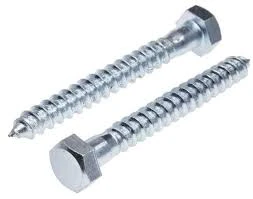
Lag screw sizes are determined by their length, diameter, and thread count. The length is measured from the tip to the base of the head, while the diameter refers to the thickness of the screw shaft. The thread count indicates how many threads are present per inch. Common lag screw sizes range from 1/4 inch to 1 inch in diameter and 1 inch to 12 inches in length. Larger lag screws may be required for heavy-duty applications, such as securing structural elements or building decks, while smaller ones are suitable for lighter tasks like attaching hardware.
Matching Lag Screw Sizes to Your Project
Selecting the right lag screw size is crucial for the structural integrity of your project. If the lag screws are too small, they may not provide sufficient support, leading to instability and potential failure. On the other hand, using oversized lag screws may compromise the material, reducing its load-bearing capacity and overall strength. It is essential to consult with engineering specifications, building codes, or a professional before making a final decision on lag screw sizes. Consider factors such as the weight load, material type, and the specific application to determine the appropriate dimensions.
Installation Considerations for Lag Screws
Once you have chosen the right lag screw sizes, proper installation is paramount. Pre-drilling pilot holes is a common practice, ensuring that the lag screw can be inserted smoothly without splitting the wood or damaging the material. The pilot hole should be slightly smaller in diameter than the lag screw, allowing for a secure fit. Additionally, using washers and applying lubrication on the threads can facilitate smoother installation and enhance the grip of the lag screw. Following manufacturer recommendations and guidelines for installation is crucial to achieving optimal performance and durability.
Conclusion: Lag Screw Sizes – A Critical Element in Construction
In conclusion, lag screw sizes are a critical element in construction and woodworking projects, influencing the overall stability and strength of structures. Understanding the dimensions, including length, diameter, and thread count, is essential for making informed decisions. Matching lag screw sizes to the specific requirements of your project, considering factors like load-bearing capacity and material type, ensures that your construction is robust and reliable. By following proper installation practices, you can maximize the effectiveness of lag screws, contributing to the longevity and safety of your completed project. 1/4 lag screw pilot hole



Sign in to leave a comment.