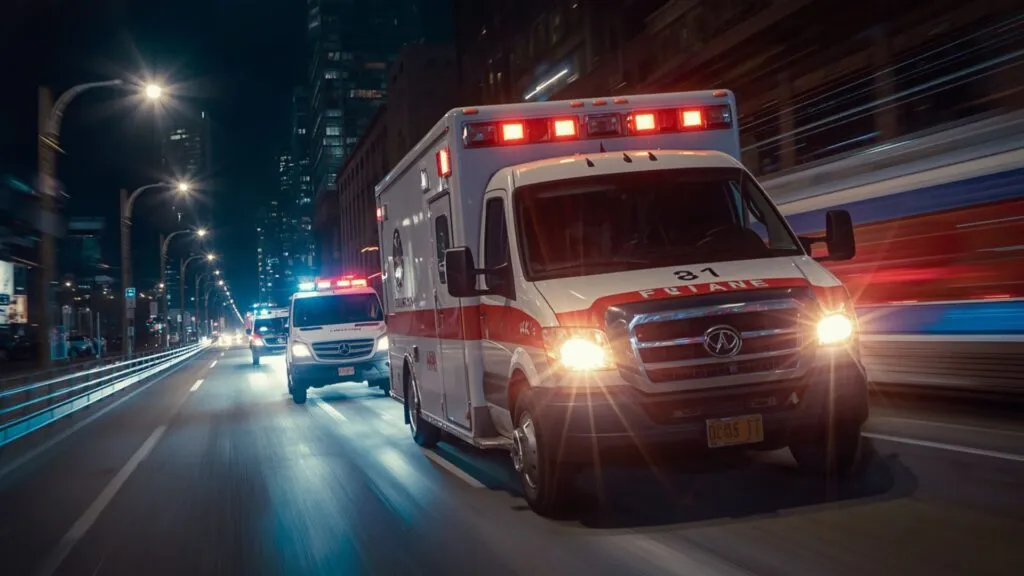

Every year, thousands of people are injured in road accidents, and the first few minutes after a crash often determine the outcome. While emergency medical teams provide advanced care, the actions taken by bystanders before an ambulance arrives can make a significant difference.
Knowing the basics of road accident first aid helps prevent further injuries, keeps the victim stable, and increases the chances of recovery. This guide explains what to do—and what to avoid—while waiting for professional medical assistance.
Stay Calm and Assess the Situation
Before rushing to help, ensure the accident scene is safe.
Look for:
- Moving traffic
- Fire or smoke
- Fuel leaks
- Fallen electrical wires
- Other hazards
If the area is dangerous, keep yourself safe and warn approaching vehicles by using hazard lights or reflective triangles if available.
Call Emergency Medical Services Immediately
As soon as it is safe, call emergency services.
Provide clear information including:
- Exact accident location
- Number of injured people
- Nature of the accident
- Visible injuries
- Any immediate hazards
If you're in the region, contacting a reliable ambulance service in Chandigarh ensures trained medical professionals reach the scene with the appropriate equipment as quickly as possible.
Check Responsiveness
Approach the injured person carefully.
Ask simple questions like:
- "Can you hear me?"
- "Are you okay?"
If there is no response:
- Check whether they are breathing.
- Observe chest movement.
- Do not shake the victim aggressively.
Control Severe Bleeding
Heavy bleeding is one of the leading causes of preventable death after accidents.
To control bleeding:
- Apply firm pressure using a clean cloth or bandage.
- Keep pressure constant.
- Avoid removing the cloth if blood soaks through—add another layer instead.
If possible, wear gloves or use a barrier to reduce the risk of infection.
Do Not Move the Victim Unless Absolutely Necessary
Many accident victims suffer neck or spinal injuries.
Moving them incorrectly can worsen the damage and may lead to permanent disability.
Only move the victim if:
- The vehicle is on fire.
- There is an immediate explosion risk.
- Remaining in place is more dangerous than moving.
Otherwise, wait for trained emergency responders.
Keep the Airway Open
If the injured person is breathing but unconscious:
- Carefully monitor breathing.
- If there is no suspected spinal injury, place them in the recovery position.
- Remove visible obstructions from the mouth only if they are easily accessible.
Never force anything into the victim's mouth.
Comfort the Victim
Fear and anxiety can worsen shock.
Speak calmly.
Tell them:
- Help is on the way.
- They should remain still.
- You are staying with them until medical professionals arrive.
Simple reassurance often helps keep the victim calm.
Watch for Signs of Shock
Shock can develop even when injuries appear minor.
Common signs include:
- Pale skin
- Cold, clammy hands
- Rapid breathing
- Weak pulse
- Dizziness
- Confusion
If there is no spinal injury suspected, keep the person warm with a blanket and continue monitoring them.
Avoid Giving Food or Water
Even if the injured person requests water, avoid giving:
- Food
- Water
- Medication
- Alcohol
They may require emergency surgery or have internal injuries that make swallowing unsafe.
Gather Helpful Information
If possible, note:
- Time of the accident
- Visible injuries
- Changes in consciousness
- Any known medical conditions
- Allergies (if the victim can communicate)
This information can assist paramedics upon arrival.
Common Mistakes to Avoid
Many well-intentioned helpers accidentally make injuries worse.
Avoid:
- Pulling victims from vehicles unnecessarily
- Removing helmets after motorcycle accidents
- Straightening broken limbs
- Applying home remedies to wounds
- Crowding around the injured person
- Delaying the emergency call
Why Fast Ambulance Response Matters
Quick medical intervention reduces the risk of complications from severe bleeding, head trauma, chest injuries, and fractures.
Professional ambulance teams carry oxygen, immobilization equipment, emergency medications, and monitoring devices that cannot be replaced with basic first aid.
If you're located nearby and need immediate assistance, keeping a trusted ambulance number in Zirakpur readily available can help reduce delays during emergencies.
Conclusion
Knowing road accident first aid is not about replacing medical professionals—it's about protecting a victim until they arrive. Staying calm, calling emergency services quickly, controlling severe bleeding, and avoiding unnecessary movement are some of the most important actions anyone can take.
Preparedness saves lives, and even basic first aid knowledge can make a meaningful difference during those critical minutes after a road accident.




























Sign in to leave a comment.