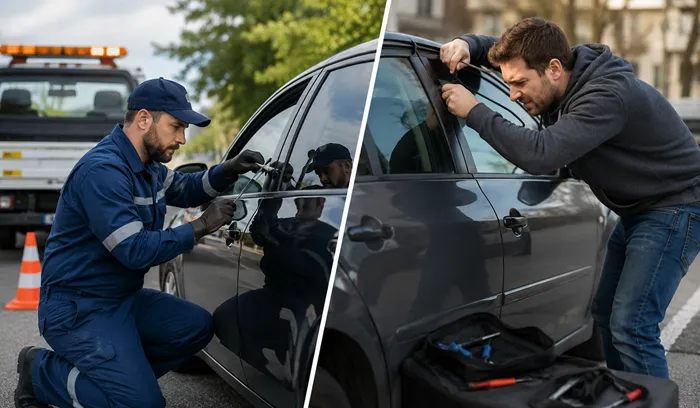

It happens to the best of us. You reach for your keys and feel that sinking dread — they're sitting right there on the seat, inside the locked car. Or maybe they've vanished entirely. Either way, you're stuck, and the clock is ticking. In that moment, one question rises fast: do you call a professional roadside assistance lockout service, or do you try to handle it yourself?
This guide breaks down both options honestly — covering safety, cost, risks, and real-world outcomes — so you can make the right call the next time you're stranded.
What Is a Roadside Assistance Lockout Service?
A roadside assistance lockout service is a professional emergency response that sends a trained technician to your location to unlock your vehicle. These services are available 24/7 and can be accessed through your auto insurance provider, an auto club like AAA, your vehicle manufacturer's roadside program, or a standalone emergency lockout service.
When you call for lockout assistance, a dispatcher confirms your location and sends the nearest available technician — typically within 20 to 45 minutes depending on your area. The technician uses specialized tools to open your car without causing any damage to the door, lock, or window seals.
The bottom line: Professional lockout assistance is fast, safe, and specifically designed for this exact situation.
The DIY Unlocking Approach: What Most People Try First
Before calling anyone, most drivers instinctively try to solve the problem themselves. Common DIY methods include:
- Slim jim tools — a thin metal strip slid between the window and door frame to manipulate the lock mechanism
- Shoelace or cord technique — looping a string around the lock post through a corner of the door (mostly effective only on older vehicles with post-style locks)
- Coat hanger method — bending a wire hanger to reach the lock or door handle through a gap in the window
- App-based unlocking — many newer vehicles allow remote unlock through a manufacturer's app if you've registered your car
Some of these methods genuinely work under the right conditions. But here's what the internet tutorials leave out: most of them carry real risks that can turn a minor inconvenience into a costly repair.
Why DIY Vehicle Lockout Methods Can Backfire
Risk of Damage to Your Vehicle
Modern cars are built with tight tolerances and sophisticated locking systems. Forcing a slim jim or coat hanger into the door frame can tear weatherstripping, scratch paint, bend door rods, or trigger airbag sensors — all of which are far more expensive to fix than a professional lockout call.
Older vehicles are generally more DIY-friendly, but even then, the risk isn't zero. One wrong move can push a rod out of alignment and leave you with a door that simply won't latch properly.
Security System Complications
Many vehicles manufactured after 2010 have electronic immobilizers and anti-theft sensors built into the door. Attempting to force the lock can trigger the alarm, disable the ignition temporarily, or even flag the vehicle as stolen in connected systems. That adds a whole new layer of hassle to an already stressful situation.
Safety Concerns in Vulnerable Locations
If you're locked out at night, in an unfamiliar area, or in extreme weather, spending 30 to 60 minutes wrestling with a DIY method isn't just frustrating — it can be genuinely dangerous. Standing beside your car on a busy road or in an isolated parking lot for extended periods puts you at risk. A professional emergency lockout service gets you back inside and on your way far more quickly.
Roadside Assistance Lockout Service: The Clear Advantages
Trained Professionals with the Right Tools
Licensed roadside technicians carry non-marring wedge tools, long-reach tools, and air bladders specifically designed for vehicle lockout situations. They can open virtually any make and model — from a standard sedan to a luxury SUV — without leaving a single scratch. These aren't tricks they learned from YouTube; they're skills developed through formal training.
Speed That DIY Simply Can't Match
Most professional lockout services in urban and suburban U.S. areas have average response times under 30 minutes. When you factor in the time spent searching for a DIY tool, attempting the method, failing, and trying again — professional help is often the faster option even before you account for the damage risk.
Liability and Peace of Mind
If a certified technician damages your vehicle during a lockout — which is rare — they are insured and responsible for the repair. When you damage your own car trying to DIY, that's entirely on you (and your insurance deductible).
How Much Does a Roadside Assistance Lockout Service Cost?
Pricing in the U.S. varies based on your coverage and location:
- Auto insurance add-on: Roadside assistance riders usually cost $5 to $15 per month and cover lockouts
- Manufacturer programs: Many brands (Ford, GM, Toyota, etc.) include roadside assistance in new vehicle warranties for 3 to 5 years
- Out-of-pocket (no coverage): Expect to pay between $50 and $150 depending on your location and time of day
Compare that to a car door repair from a botched DIY attempt, which can easily run $200 to $500 at a body shop.
When DIY Is Actually a Reasonable Option
To be fair, there are situations where a quick DIY method makes sense:
- You have a spare key nearby that someone can bring to you
- Your vehicle has a manufacturer app with a verified remote unlock feature
- You have roadside experience or automotive training and the right tools available
- It's an older vehicle (pre-2000) with a simple manual lock post and you have a clean cord method
In any other scenario — especially if you drive a newer car, are in an unfamiliar location, or have never attempted a lockout before — calling for professional lockout assistance is the smarter play every time.
Frequently Asked Questions About Vehicle Lockout Services
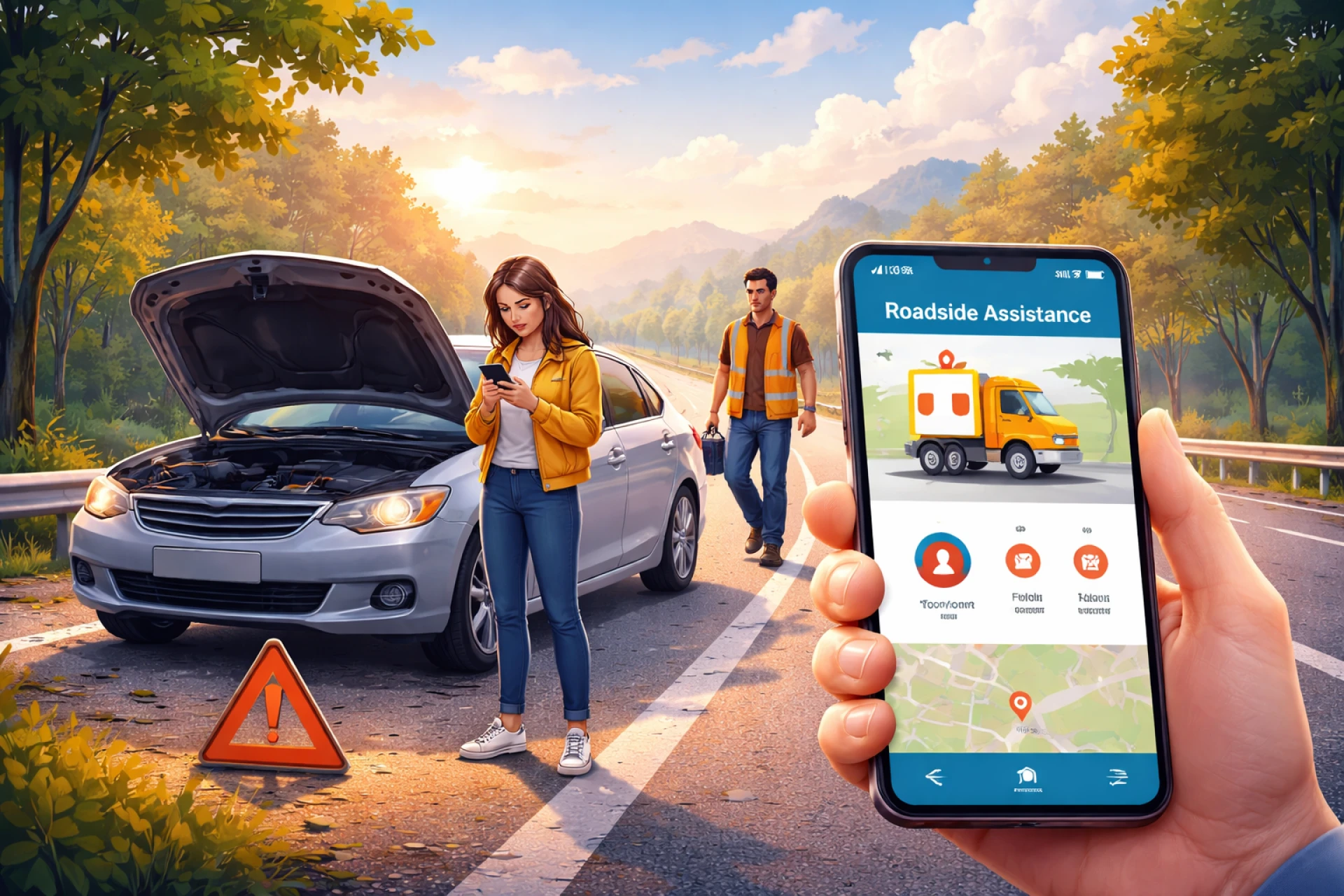
Q: How long does a roadside assistance lockout service take to arrive? In most U.S. cities and suburbs, response times are typically 20 to 45 minutes. Rural areas may take longer. Many services provide real-time GPS tracking so you know exactly when help is on the way.
Q: Will a lockout service damage my car? Professional technicians use tools designed specifically to open vehicles without causing damage. Reputable companies are also insured, so any rare accidental damage would be covered.
Q: What if I'm locked out with a child or pet inside? Call 911 immediately. Emergency responders are trained to handle this scenario and will prioritize your safety over vehicle damage. Do not wait for a standard lockout service in this situation.
Q: Does my car insurance cover lockout service? Many auto insurance policies offer roadside assistance as an add-on. Check your policy or call your insurance provider to confirm. If you're not covered, it's worth adding — it's typically low-cost and covers lockouts, flat tires, dead batteries, and towing.
Q: Can I call a local locksmith instead of a roadside assistance service? Yes. A licensed automotive locksmith is another excellent option and is often available faster than a large national service. Make sure they are licensed and insured before proceeding.
The Verdict: Roadside Assistance Wins on Safety Every Time
The DIY appeal is understandable — nobody wants to wait or spend money on something that feels like it should have an easy fix. But the reality is that professional roadside assistance lockout services exist precisely because vehicle lockouts are more complicated than they look. The risk of damage, the time investment, and the safety concerns all point in one direction: call the professionals.
If you don't already have lockout coverage, now is a great time to add it. A simple roadside assistance plan costs a few dollars a month and covers far more than just lockouts — it's one of the most practical forms of protection any driver can have.
Locked out right now? Contact a trusted roadside assistance lockout service in your area or check whether your auto insurance, auto club membership, or vehicle manufacturer already has you covered. Don't let a stressful moment turn into an expensive mistake.
























Sign in to leave a comment.