Periodontal disease remains one of the most prevalent oral health conditions worldwide, characterized by inflammation, pocket formation, and progressive destruction of the supporting structures of the teeth. Traditional periodontal therapy has long relied on scaling and root planing (SRP) as the gold standard for managing periodontal pockets. However, advancements in dental technology have introduced laser pocket disinfection as a valuable adjunct in modern periodontal therapy, enhancing treatment outcomes while improving patient comfort.
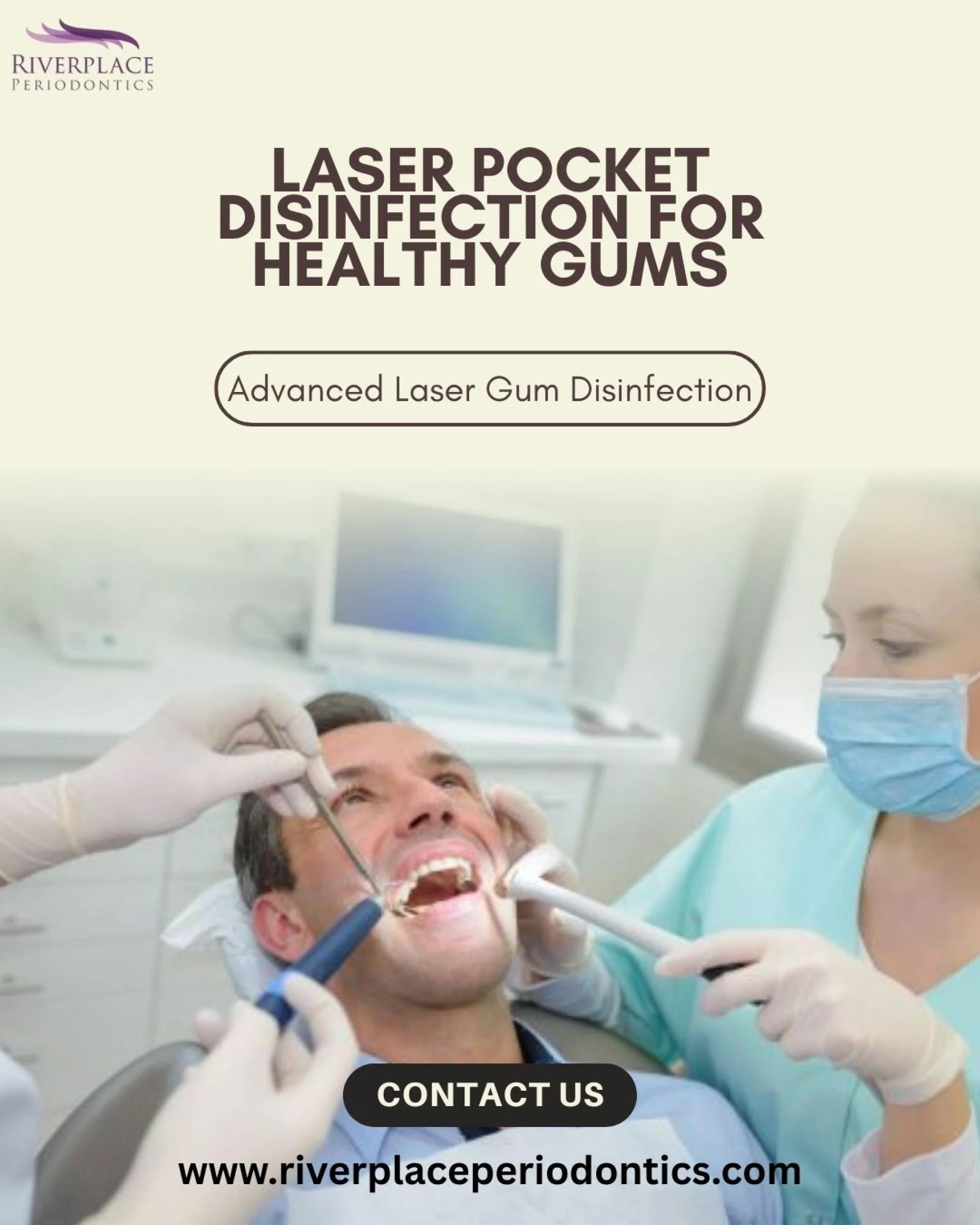
Laser pocket disinfection involves the use of specialized dental lasers to target pathogenic bacteria within periodontal pockets. Unlike conventional mechanical instrumentation, lasers can penetrate deeper into the pocket, effectively reducing bacterial load without damaging surrounding healthy tissues. The laser energy selectively destroys bacteria and diseased epithelial lining, creating a cleaner environment that supports healing and reattachment of periodontal tissues.
One of the key advantages of laser pocket disinfection is its minimally invasive nature. Patients often experience reduced bleeding, swelling, and post-operative discomfort compared to traditional surgical procedures. This makes laser-assisted therapy particularly beneficial for individuals with dental anxiety, systemic health concerns, or those seeking less invasive treatment options. Additionally, lasers have a biostimulatory effect that can promote faster tissue healing and reduce inflammation.
From a clinical perspective, laser pocket disinfection serves as an effective adjunct to scaling and root planing rather than a replacement. When used in combination, these therapies enhance bacterial reduction and improve clinical parameters such as pocket depth reduction and attachment level gain. Studies have shown that laser-assisted periodontal therapy can lead to improved short- and long-term outcomes, especially in moderate to advanced periodontal cases.
Another important role of laser pocket disinfection lies in its ability to manage persistent or recurrent periodontal infections. In cases where traditional therapy alone may not fully eliminate pathogenic bacteria, lasers provide an additional level of precision and control. This is particularly useful in hard-to-reach areas, furcation defects, and deep periodontal pockets.
As periodontal therapy continues to evolve, the integration of laser technology reflects a shift toward more patient-centered, technology-driven care. Dental professionals who adopt laser pocket disinfection are better equipped to deliver effective, efficient, and comfortable periodontal treatment tailored to individual patient needs.
In conclusion, laser pocket disinfection represents a significant advancement in modern periodontal therapy by enhancing bacterial control, promoting healing, and improving patient experience. Practices such as Riverplace Periodontics demonstrate how incorporating advanced laser technology into periodontal care can elevate treatment standards and support long-term periodontal health. As research and clinical expertise continue to grow, laser pocket disinfection is poised to play an increasingly important role in the future of periodontal treatment.

























Sign in to leave a comment.