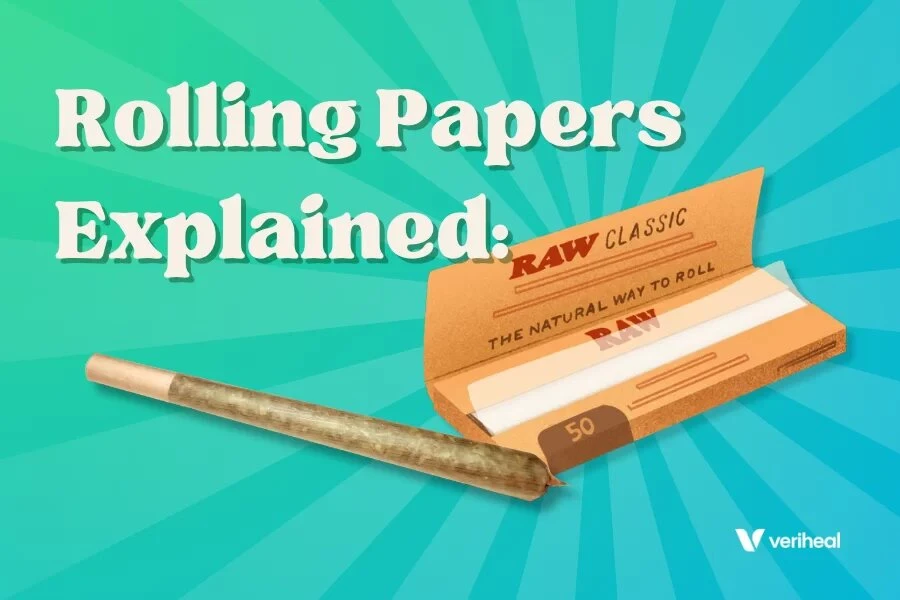

Rolling papers, those thin sheets of paper designed for rolling tobacco or cannabis into cigarettes or joints, might seem simple at first glance. However, a deeper dive reveals a world of variety, nuances, and preferences that can significantly impact your smoking experience. Whether you're a seasoned smoker or just starting out, understanding the ins and outs of rolling papers is essential for achieving the perfect smoke. In this comprehensive guide, we'll delve into everything you need to know about rolling papers, from their history and composition to their different types and best practices for rolling.
1. Origins and History
Rolling papers have a rich history dating back centuries. The ancient Mayans and Aztecs were among the first to roll tobacco in plant leaves for smoking rituals. However, it wasn't until the 19th century that rolling papers as we know them today came into existence. The evolution of paper manufacturing techniques led to the development of thinner, more durable papers suitable for rolling cigarettes.
2. Composition and Materials
Modern rolling papers are typically made from wood pulp, hemp, rice, or a combination of these materials. Each type of paper offers unique characteristics that can affect the taste, burn rate, and overall smoking experience. Hemp papers, for example, are known for their sustainability and slow burn, while rice papers tend to be ultra-thin, resulting in a cleaner taste.
2.1 Wood Pulp Papers
Wood pulp papers are the most common type and are often used in mass-produced cigarette rolling papers. They are affordable and readily available but may contain additives or chemicals that affect the flavor of your smoke.
2.2 Hemp Papers
Hemp papers are gaining popularity among environmentally-conscious smokers due to their sustainable nature. Made from hemp fibers, these papers are typically unbleached and offer a smooth, slow burn that enhances the natural flavors of your tobacco or cannabis.
2.3 Rice Papers
Rice papers are incredibly thin and lightweight, providing a clean and pure smoking experience. They burn evenly and leave behind minimal ash, making them ideal for connoisseurs who appreciate the flavor profile of their smoke.
3. Sizes and Formats
Rolling papers come in various sizes and formats to accommodate different preferences and rolling styles. The most common sizes include single wide, 1 ¼, 1 ½, and king size. Additionally, some papers come in pre-rolled cones, which can simplify the rolling process for beginners or those who prefer a consistent shape.
4. Flavored Papers
For smokers looking to add an extra dimension to their smoking experience, flavored rolling papers are a popular option. These papers are infused with various flavors, such as fruit, menthol, or even chocolate, to enhance the taste and aroma of your smoke. However, it's essential to note that flavored papers may contain additives or chemicals that could alter the natural flavor of your tobacco or cannabis.
5. Rolling Techniques
Rolling a perfect cigarette or joint requires skill and practice. While there are countless techniques and methods, the basic steps remain the same: grind your tobacco or cannabis, distribute it evenly along the paper, tuck and roll, and seal the edge with moisture. Experimenting with different rolling styles can help you find the method that works best for you.
5.1 Traditional Rolling
Traditional rolling involves using your fingers to shape the paper around the filling. It offers the most control but requires steady hands and patience to master.
5.2 Rolling Machines
For those who struggle with manual dexterity or prefer a more uniform roll, rolling machines are a convenient alternative. These devices allow you to quickly and easily produce consistently-shaped cigarettes or joints with minimal effort.
6. Storage and Preservation
Proper storage is crucial for maintaining the freshness and quality of your rolling papers. Store them in a cool, dry place away from direct sunlight and moisture to prevent them from becoming brittle or moldy. Additionally, using airtight containers or resealable bags can help prolong their shelf life.
7. Conclusion
In conclusion, rolling papers play a significant role in shaping the smoking experience for tobacco and cannabis enthusiasts alike. By understanding the various types, materials, and techniques associated with rolling papers, you can elevate your smoking ritual to new heights. Whether you prefer the simplicity of a classic cigarette or the artistry of a hand-rolled joint, the right rolling papers can make all the difference.
FAQs
1. Are flavored rolling papers safe to use?
Flavored rolling papers are generally considered safe for consumption, but it's essential to be mindful of any additives or chemicals used in the flavoring process.
2. How do I choose the right size rolling paper?
The size of your rolling paper depends on personal preference and the amount of tobacco or cannabis you intend to use. Experiment with different sizes to find the one that suits your needs best.
3. Can I reuse rolling papers?
While it's technically possible to reuse rolling papers, it's not recommended, as they may become damaged or contaminated during the rolling process.
4. What is the best way to store rolling papers?
Store rolling papers in a cool, dry place away from direct sunlight and moisture to prevent them from deteriorating. Airtight containers or resealable bags are ideal for preserving freshness.
5. Are there any eco-friendly alternatives to traditional rolling papers?
Yes, hemp and rice papers are both eco-friendly alternatives to traditional wood pulp papers. They are biodegradable and sustainable options for environmentally-conscious smokers.



























Sign in to leave a comment.