Roofs are made to withstand so much, from harsh and extreme weather conditions like wind, hail, snowstorms, or debris, which may cause damage to your house. However, to restore the privacy, safety, and comfort of your house, as a homeowner, you must be able to recognize the signs of roof damage, especially after it has suffered through a storm. Otherwise, your roof and your home’s structural integrity might be severely affected if left unaddressed. Even if your roof looks fine, storms can cause damage that will worsen with time, especially in a place like Palm Bay, with high chances of regular strong winds, storms, and heavy rainfall, which is why it’s crucial for you to learn the signs of roof damage after a storm and know what steps to take, including when to call a roofer for Roof Repair in Palm Bay after storm damage.
Roof Damage Checklist: What to Look for Inside & Outside
Here’s a list of things and places to check, both inside and outside, to understand and determine the full extent of the storm damage.
What to Look For Outside Your Home
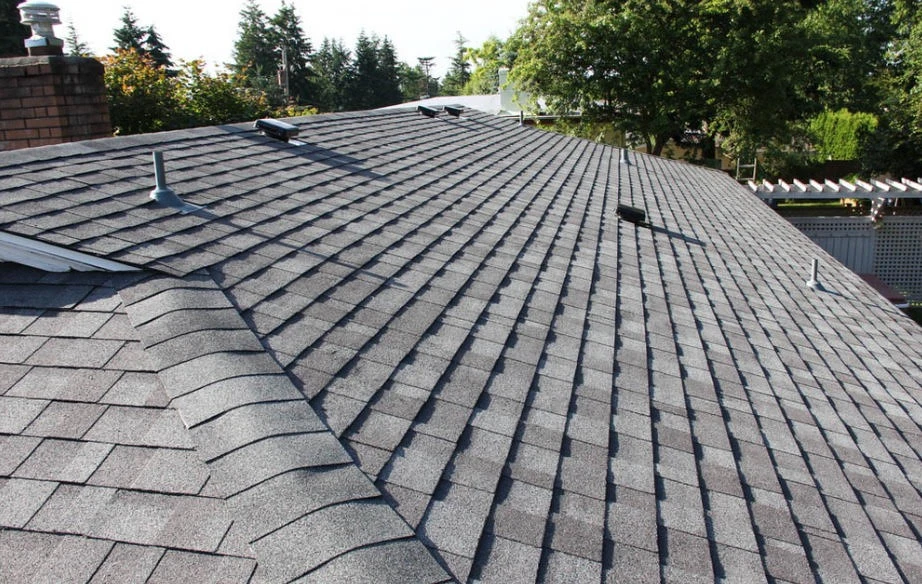
Shingles - Shingles can become loose, cracked, or blown off entirely due to strong winds and hail. Check your roof for any shingles that are missing, damaged, or misaligned.
Granule - Asphalt shingles are shielded from the weather by a coating of granules. After a storm, check your gutters and downspouts for granules because your roofing shingles will become less effective if there is a significant loss of granules.
Dents & Dings - Your vents, metal flashing, and shingles might sustain dents and dings following a heavy storm or rainfall. This can severely weaken your roof's protective covering, increasing the likelihood of leaks.
Debris - Branches, leaves, and other items may be left on your roof by storms. This can lead to water accumulating on your roof and result in leaks. The debris can also damage your roof and obstruct your drainage, leading to water entering your home from the gaps and leaks.
Flashing - The material used to seal your roof's joints and edges is called flashing. Always carefully examine the flashing surrounding the skylights, vents, and chimneys for any bends, cracks, or missing pieces.
What to Look For Inside Your Home
Hidden Moisture - Always examine your crawl spaces, basement, and attic because any damage that exposes the attic to outside air will increase the moisture level of your home. Even before a leak begins to pierce your ceiling, you can detect the water by looking for outside airflow or a clammy, wet feeling. A musty scent will also indicate leaks, mold, or wood damage.
Stains & Cracks - Next, check your ceilings and the upper corners of your walls after every storm. Look for obvious signs of storm damage like sagging ceilings, moist or brown patches, or cracks. Or, look for tiny fractures or dents in the windows and skylights. Any of these signs indicates the need for proper inspection and roof repair.
What to Do After You Spot Roof Damage
The first thing to do is to hire a roofing contractor. They can perform a professional inspection of your roof and provide a detailed report, since they’re trained to identify hidden damage and recommend a repair plan. They can also help secure your roof in case of extensive damage before repairs can begin. For insurance claims, they can also offer documentation. Before approving a claim, insurance companies need evidence of the extent and origin of the damage. To make sure nothing is missed, the roofing company can check, document, and take pictures of the damage, which will make it easier to submit your claim and get it approved.
Dealing with storm damage can be annoying and exhausting without professional support. For this reason, we advise Barrier Island Roofing LLC to protect your home.


























Sign in to leave a comment.