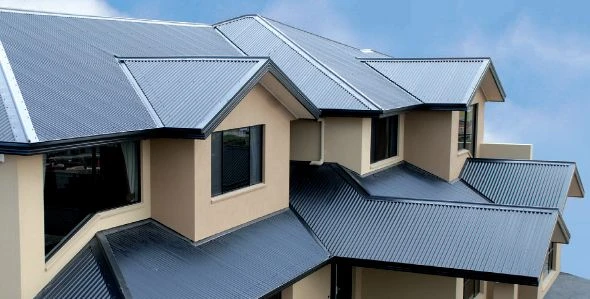
Your roof is one of the most important parts of your home, protecting everything beneath it from harsh weather conditions, moisture, and structural damage. Two key aspects of maintaining a durable and long-lasting roof are proper roof flashing and timely roof replacement. Understanding how these elements work can save you from costly repairs and help you make informed decisions about your property.
What is Roof Flashing?
Roof flashing is a thin material, usually made of metal such as aluminum, steel, or copper, installed to direct water away from critical areas of the roof. It is placed in spots where the roof meets vertical surfaces or where water is likely to accumulate.
Common Areas Where Flashing is Installed
Roof flashing is typically found in vulnerable sections of the roof, including:
- Around chimneys
- Near skylights
- Along roof valleys
- Around vents and pipes
- At the edges where the roof meets walls
These areas are more prone to water penetration, making flashing essential for preventing leaks.
Why Roof Flashing is Important
Roof flashing plays a crucial role in protecting your home from water damage. Without it, rainwater can seep into small gaps and cracks, leading to serious structural issues over time.
Prevents Water Leaks
Flashing acts as a barrier that channels water away from seams and joints. This reduces the chances of leaks and moisture buildup inside your home.
Protects Structural Integrity
When water infiltrates your roof, it can weaken wooden structures, cause mold growth, and damage insulation. Flashing helps maintain the overall strength of your roofing system.
Increases Roof Lifespan
A properly installed flashing system extends the life of your roof by minimizing wear and tear caused by water exposure.
Types of Roof Flashing
Different types of flashing are used depending on the area and design of the roof.
Step Flashing
Used where the roof meets a wall, step flashing consists of small pieces layered with shingles to guide water downward.
Valley Flashing
Installed in roof valleys, this type handles large volumes of water flowing off the roof.
Vent Pipe Flashing
Designed to seal around pipes and vents, preventing water from entering through these openings.
Drip Edge Flashing
Placed along roof edges, it helps direct water away from the fascia and into the gutters.
Signs Your Roof Flashing Needs Repair
Over time, flashing can deteriorate due to weather conditions and aging. Knowing the warning signs can help you address issues early.
- Visible rust or corrosion
- Cracked or bent flashing
- Water stains on ceilings or walls
- Loose or missing pieces
- Mold or mildew near roof joints
Ignoring these signs can lead to more extensive damage and higher repair costs.
What is Roof Replacement?
Roof replacement involves removing the existing roof and installing a completely new one. Unlike minor repairs, this process addresses widespread damage or aging that can no longer be fixed with simple solutions.
When Do You Need a Roof Replacement?
Not every roofing issue requires a full replacement, but certain conditions make it necessary.
Age of the Roof
Most roofs have a lifespan of 20 to 30 years, depending on the materials used. If your roof is nearing this age, replacement may be the best option.
Extensive Damage
If large areas of your roof are damaged by storms, leaks, or structural issues, replacing the entire roof ensures long-term safety.
Frequent Repairs
Constant repairs can become more expensive than a full replacement. If problems keep recurring, it may be time for a new roof.
Energy Efficiency Concerns
Older roofs may not provide proper insulation, leading to higher energy bills. A new roof can improve efficiency and comfort.
Benefits of Roof Replacement
Investing in a roof replacement offers several advantages that go beyond just fixing problems.
Improved Safety
A new roof eliminates weak spots, reducing the risk of collapse or major damage during extreme weather.
Enhanced Property Value
A well-maintained roof increases the overall value of your home and makes it more attractive to potential buyers.
Better Energy Efficiency
Modern roofing materials provide better insulation, helping regulate indoor temperatures and lower energy costs.
Peace of Mind
Knowing your roof is in excellent condition allows you to focus on other aspects of homeownership without constant worry.
Roof Flashing and Roof Replacement: How They Work Together
Roof flashing and roof replacement are closely connected. During a roof replacement, flashing is often replaced or upgraded to ensure maximum protection.
Integrated Protection System
A new roof without proper flashing is incomplete. Both components must work together to create a waterproof barrier.
Preventing Future Issues
Replacing old or damaged flashing during a roof replacement helps prevent leaks and extends the life of the new roof.
Professional Installation Matters
Proper installation of both flashing and roofing materials is essential. Even high-quality materials can fail if not installed correctly.
Choosing the Right Materials
Selecting the right materials for both flashing and roofing is crucial for durability and performance.
Flashing Materials
- Aluminum: Lightweight and corrosion-resistant
- Steel: Strong and durable
- Copper: Long-lasting and visually appealing
Roofing Materials
- Asphalt shingles: Affordable and widely used
- Metal roofing: Durable and energy-efficient
- Tile roofing: Long-lasting with a unique appearance
Your choice will depend on your budget, climate, and design preferences.
Maintenance Tips for Longevity
Proper maintenance can extend the life of both your roof flashing and the roof itself.
- Inspect your roof regularly for damage
- Clean gutters to prevent water buildup
- Remove debris from roof valleys
- Check flashing for signs of wear
- Schedule professional inspections annually
Taking these steps can help you avoid costly repairs and ensure your roof remains in top condition.
Final Thoughts
Roof flashing and roof replacement are essential components of a strong and reliable roofing system. While flashing protects vulnerable areas from water intrusion, roof replacement ensures the overall structure remains safe and functional.
By understanding their importance and recognizing the signs of damage, you can take proactive steps to maintain your roof and protect your home. Whether you need minor flashing repairs or a complete roof replacement, investing in quality materials and professional installation will provide long-term benefits and peace of mind.



























Sign in to leave a comment.