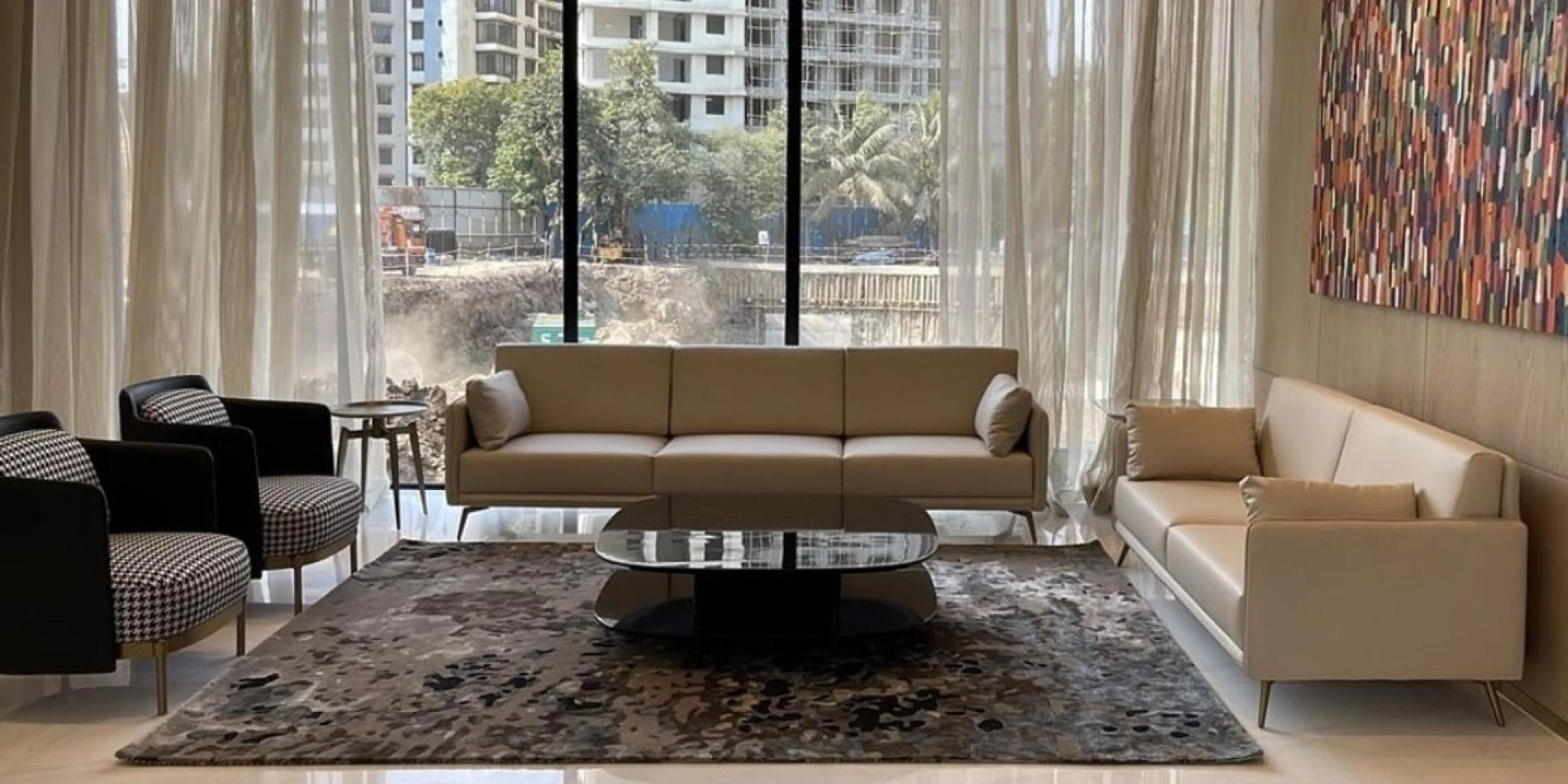

When people search for rugs and carpets for living room spaces, they are usually trying to fix a layout issue without fully realizing it. The room may feel unfinished, furniture may appear scattered, or the space may lack warmth despite good décor choices. In most cases, the missing element is not furniture or lighting—it is a well-planned rug foundation.
At Loops by LJ, living room rugs are designed to function as layout anchors, helping homes feel balanced, comfortable, and visually complete.
Why Rugs and Carpets Are Foundational in Living Rooms?
Direct answer: Rugs create visual order and spatial definition.
Living rooms often perform multiple roles—relaxation, social interaction, and daily movement. Without a rug, furniture lacks a central reference point. Rugs and carpets define where seating begins, where it ends, and how the room should be used.
This is especially important in modern homes with open or semi-open layouts.
How Rugs Influence Furniture Alignment?
Furniture placement becomes intuitive when a rug is placed correctly.
Direct answer: Rugs guide furniture positioning.
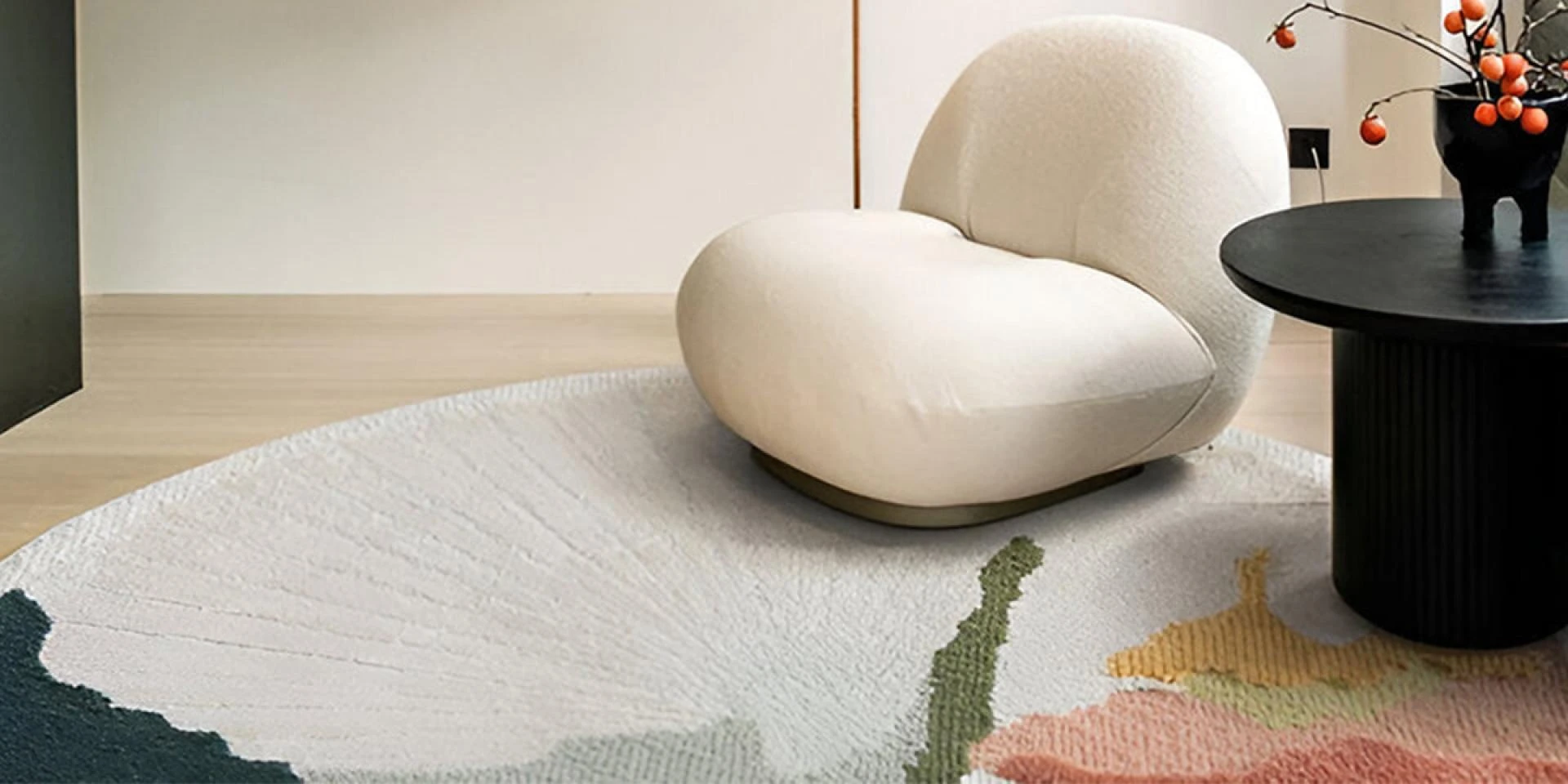
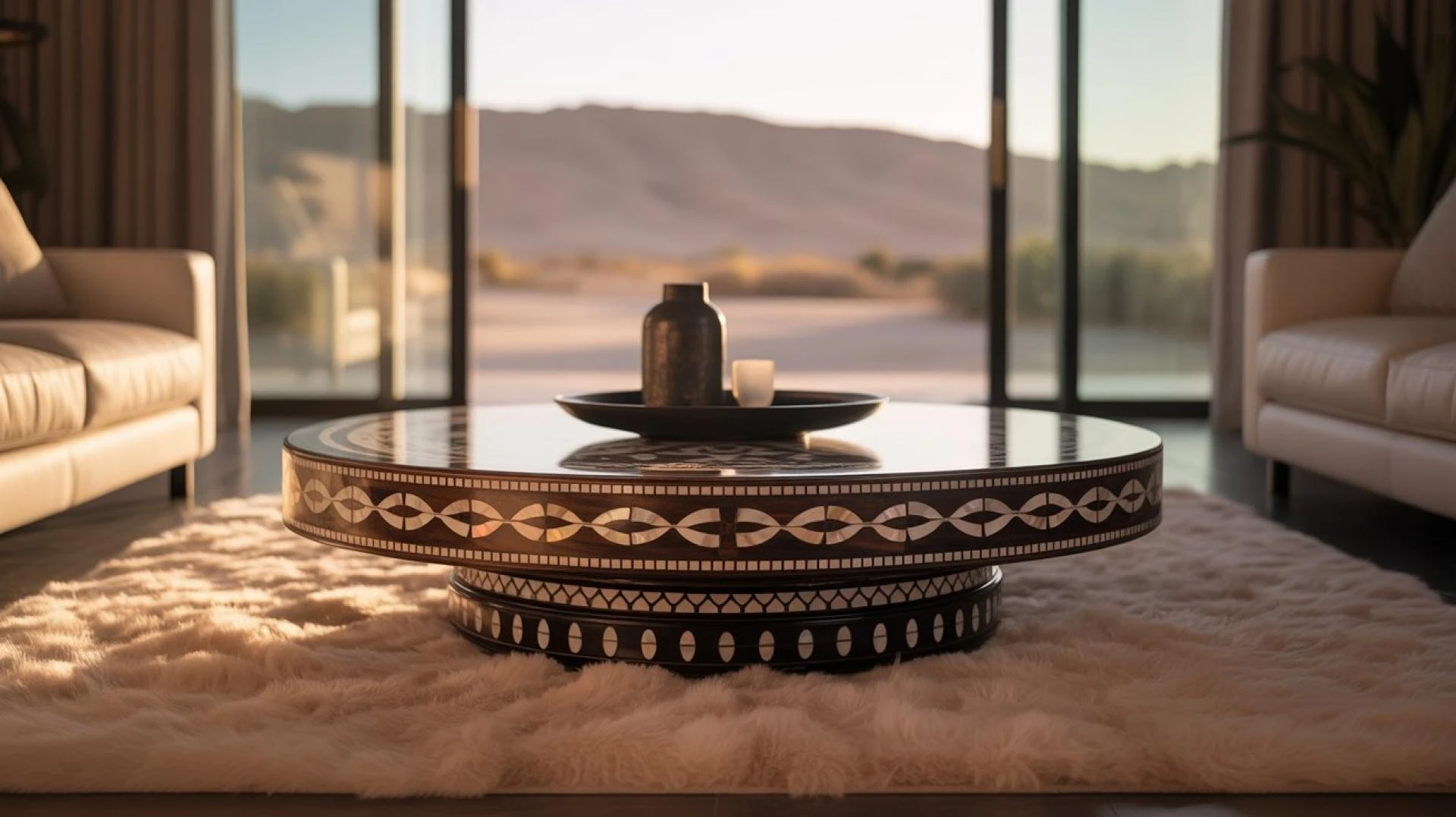
A properly sized rug encourages sofas and chairs to face inward, aligns coffee tables naturally, and reduces awkward spacing. This prevents furniture from drifting apart over time and keeps the living room visually cohesive.
Interior designers frequently place the rug first and build the furniture layout around it for this reason.
Choosing the Right Size for Living Room Rugs
One of the most common mistakes homeowners make is choosing a rug that is too small.
Direct answer: A living room rug should be wider than the main sofa.
Best-practice sizing includes:
- Front legs of all seating furniture resting on the rug
- Equal spacing between rug edges and walls
- Avoiding rugs that sit only under the center table
Correct sizing improves proportion and helps the room feel larger and more intentional.
Comfort Is About Stability, Not Just Softness
Softness alone does not guarantee comfort.
Direct answer: Comfort comes from balance and support.
A rug that is too plush may cause furniture to tilt or shift, while a rug that is too thin may feel insubstantial. Low to medium pile rugs provide the right mix of underfoot comfort and furniture stability.
Loops by LJ designs living room rugs with controlled pile heights to support everyday use.
Material Choice and Long-Term Performance
Living rooms experience constant foot traffic.
Direct answer: Durable materials maintain structure over time.
Tightly woven rugs resist flattening, hold furniture weight better, and retain their shape longer. This ensures the living room continues to feel organized even after years of use.
Material selection is a key part of how Loops by LJ approaches rug design.
How Color and Texture Affect Living Room Balance?
Color impacts how calm or busy a room feels.
Direct answer: Neutral and balanced tones create flexibility.
Subtle textures and restrained patterns add interest without overpowering furniture. This allows homeowners to update décor without needing to replace the rug frequently.
How Rugs Improve Movement and Flow?
Direct answer: Rugs control circulation.
A well-placed rug defines walkways around seating areas, preventing foot traffic from cutting through conversation zones. This improves comfort and usability in high-use living rooms.
Supporting Living Room Planning, Not Replacing Collections
This guide explains how rugs and carpets for living room layouts function and why they matter. It is designed to support informed planning before exploring design options.
Final Thought
A living room rug is not a finishing touch, it is the starting point. When chosen with size, material, and placement in mind, it quietly improves comfort, layout, and flow. Loops by LJ focuses on rugs that support real homes, helping living rooms feel grounded, functional, and effortless.






















Sign in to leave a comment.