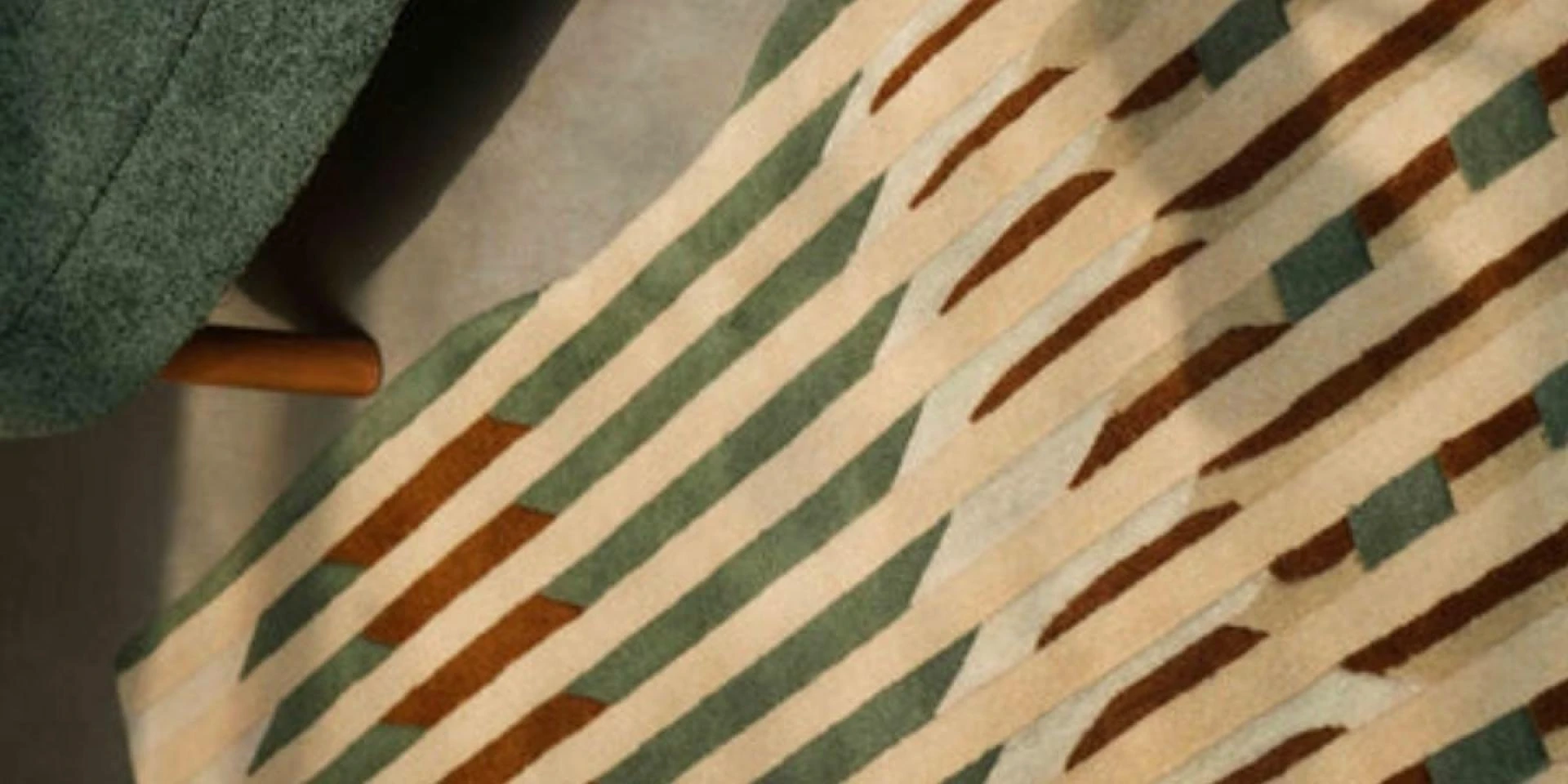

Choosing the right rugs and carpets for living room spaces requires more than selecting a beautiful pattern. The real impact of a rug lies in proportion, layout alignment, and how it interacts with furniture placement.
When selected strategically, a rug becomes the structural foundation of the room.
What Size Rugs and Carpets Are Best for a Living Room?
Direct Answer:
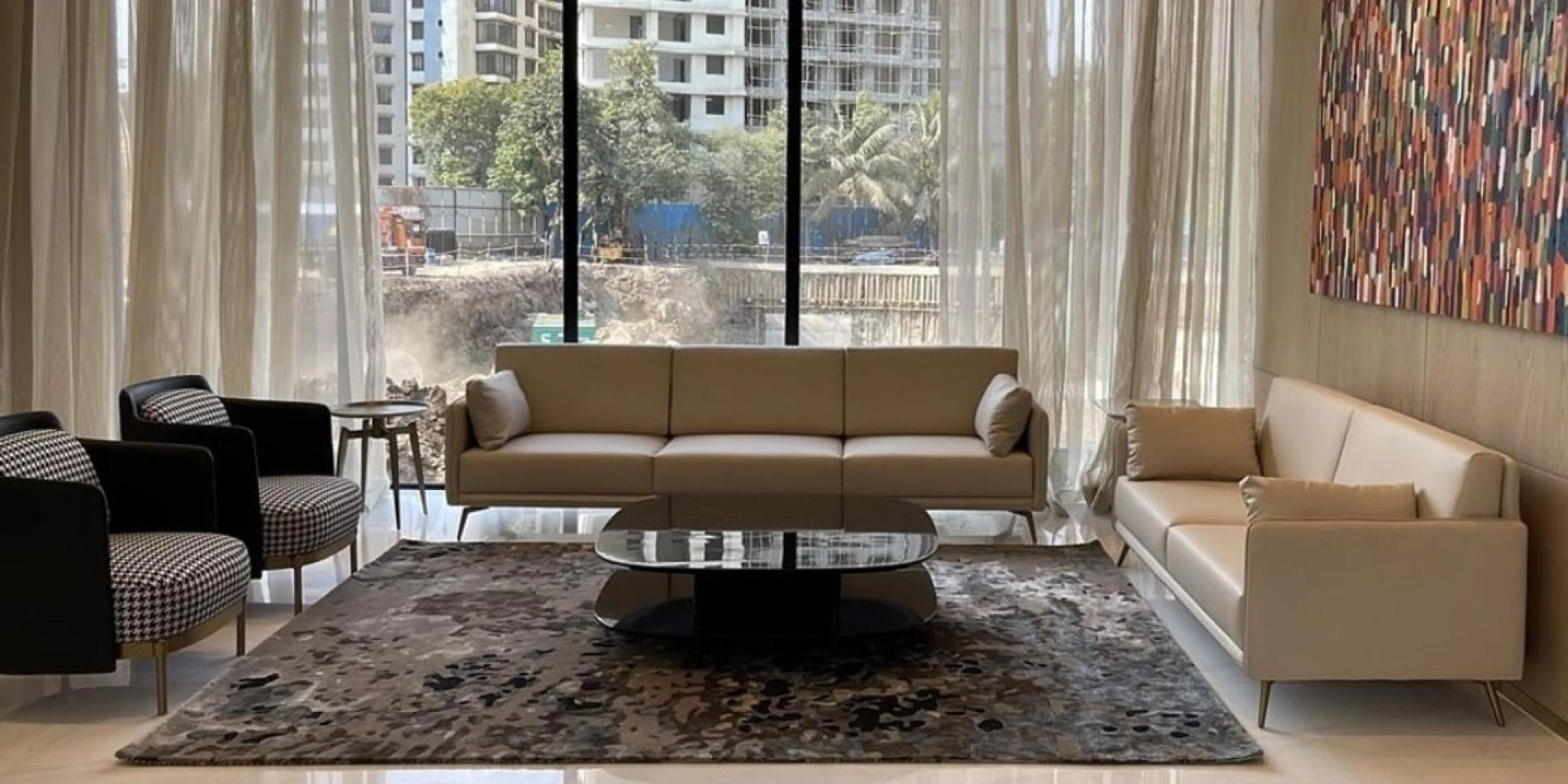
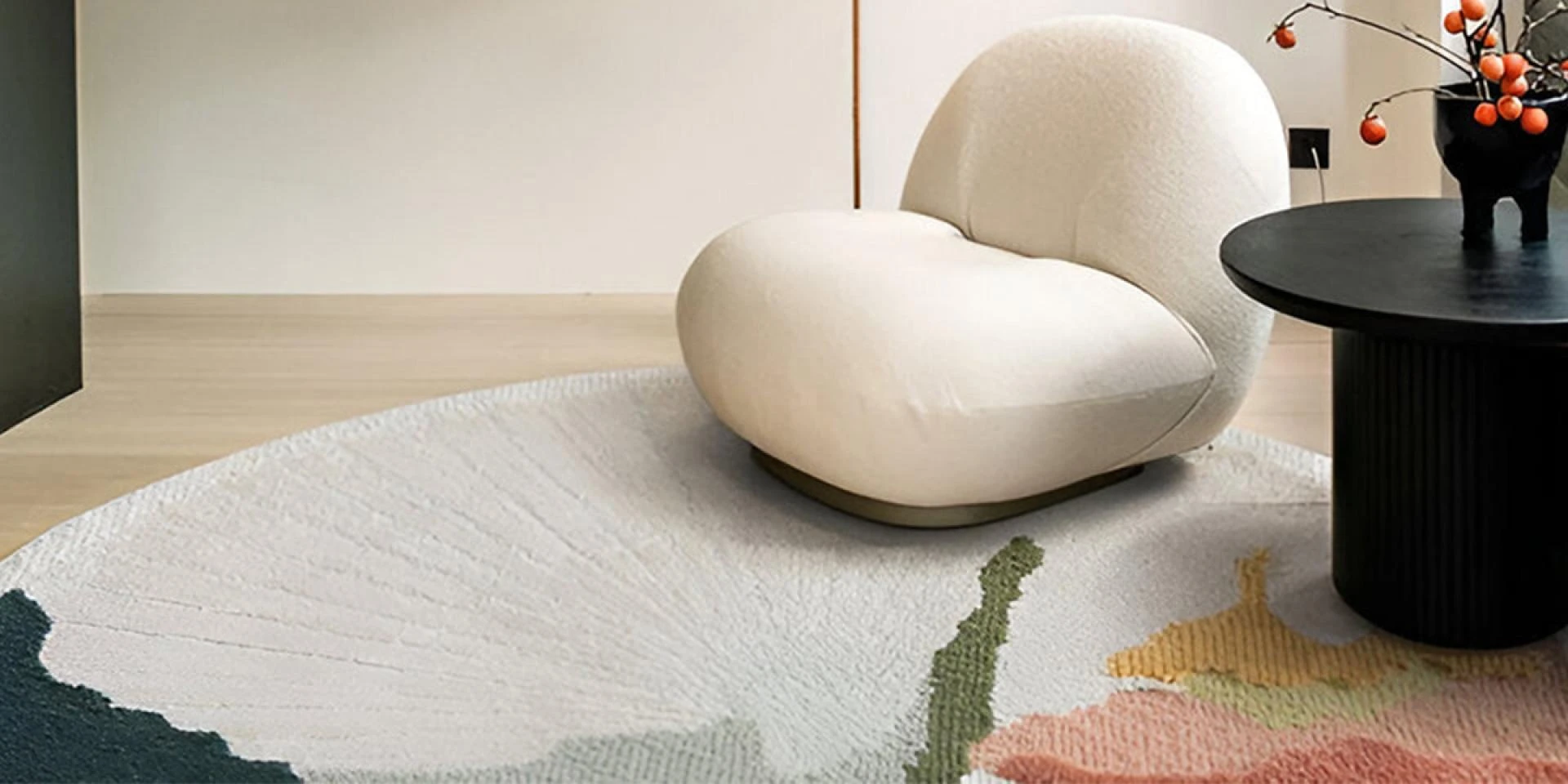
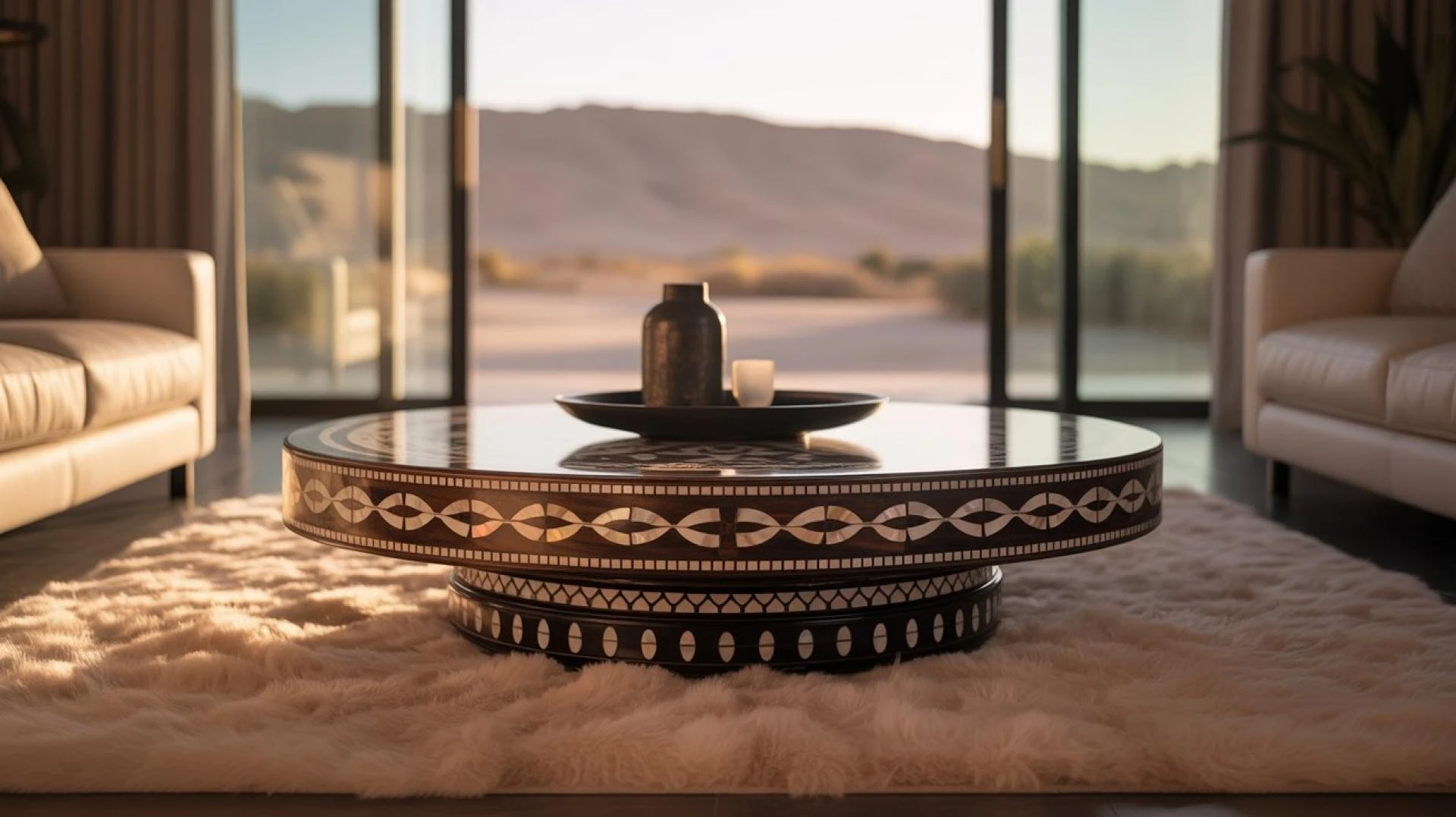
Rugs and carpets for living room areas should be large enough to anchor the seating zone, ideally allowing at least the front legs of sofas and chairs to rest on the rug.
This ensures:
- Visual cohesion
- Balanced proportions
- Defined seating boundaries
Small rugs break the layout. Oversized rugs, when used correctly, enhance openness and improve spatial flow.
Common Living Room Rug Mistakes
Understanding what to avoid improves design outcomes.
1. Choosing a Rug That’s Too Small
A rug that only fits under the coffee table disconnects furniture visually.
2. Ignoring Furniture Alignment
Rugs should follow the orientation of the seating layout, not the room walls alone.
3. Overmatching Colors
Matching the rug exactly to the sofa flattens visual depth. Contrast adds dimension.
Layout Formats That Work
There are three layout approaches widely used in interior planning:
Full Anchor Layout
All furniture legs rest on the rug. Best for larger rooms.
Front-Leg Anchor Layout
Front legs of sofas and chairs sit on the rug. Ideal for mid-sized rooms.
Zoned Layout
Used in open plans to separate living space from dining or study areas.
Premium design-led brands like Loops by LJ craft rugs with proportion and density in mind, ensuring they function as architectural elements rather than decorative afterthoughts.
Material Considerations for Living Room Use
Living rooms are high-traffic environments. Durability matters.
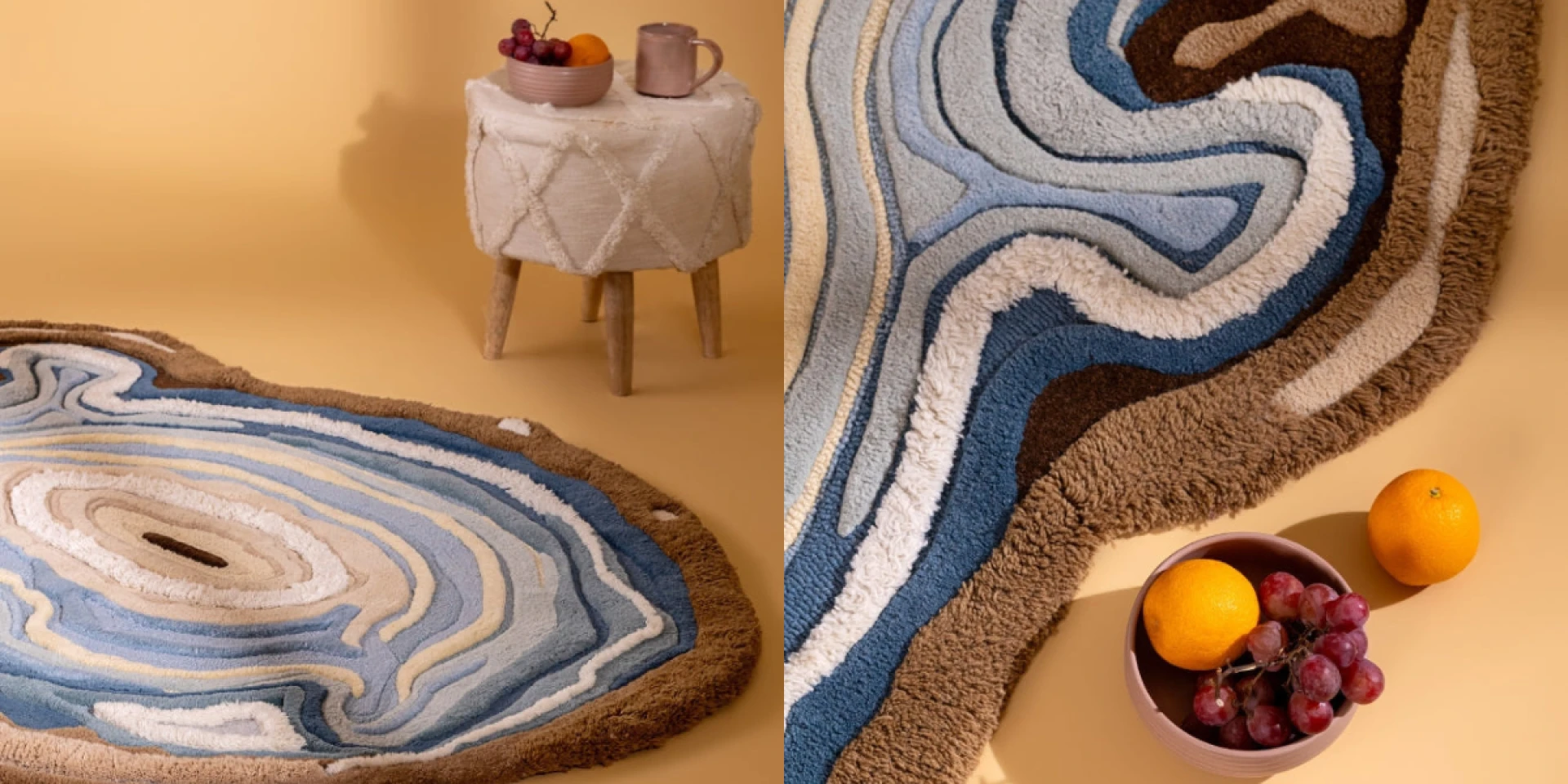
- Wool rugs offer resilience and natural stain resistance.
- Hand-tufted rugs provide structured density.
- Blended fibers balance performance and comfort.
Choosing dense construction prevents flattening in frequently used areas.
How Rugs Influence Perceived Room Size
A larger rug often makes a living room look bigger. Why?
Because it:
- Expands the visible floor frame
- Reduces fragmentation
- Creates visual continuity
Leaving 8–12 inches of exposed flooring around the edges maintains balance without shrinking the space.
Frequently Asked Questions
Should rugs go under the sofa?
Yes, at least the front legs should sit on the rug.
What is the most popular living room rug size?
8x10 feet works well for medium-sized layouts.
Do light rugs make a room look bigger?
Yes, lighter tones enhance openness.
Is a rug necessary in a living room?
Yes, it anchors furniture and improves comfort.
Final Thoughts
Rugs and carpets for living room interiors are structural design components, not decorative accessories. Proper size, placement, and material selection directly impact comfort, balance, and longevity.
When chosen thoughtfully, a rug defines space, enhances flow, and supports everyday living. Brands like Loops by LJ continue to focus on craftsmanship and proportion, ensuring each rug strengthens the layout instead of competing with it.
A well-sized rug doesn’t just complete a room, it organizes it.
























Sign in to leave a comment.