
Many people believe that RV parks and trailer parks are the same, but they are designed for very different purposes. As alternative housing and travel lifestyles become more common, understanding the difference between RV Park vs Trailer Park is essential before choosing where to stay or live.
Although both involve mobile-style homes, their structure, duration of stay, and overall lifestyle are quite different.
What Is an RV Park?
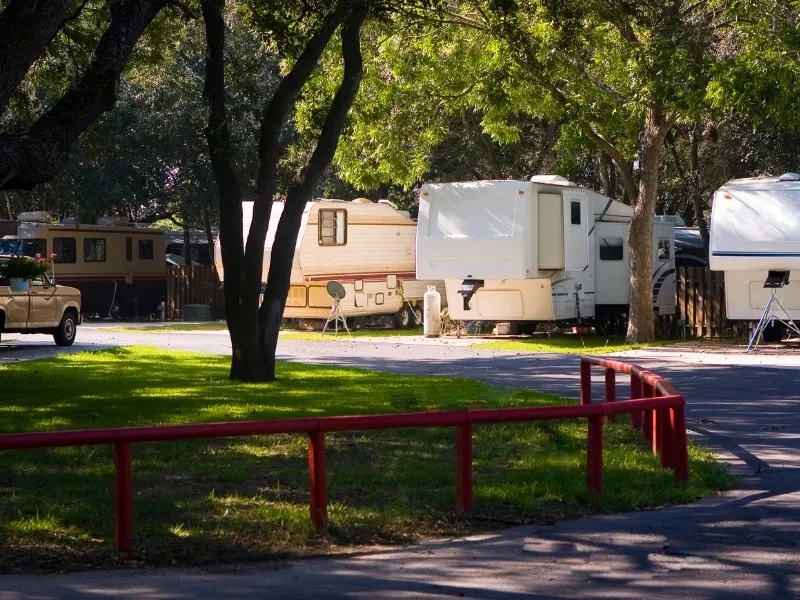
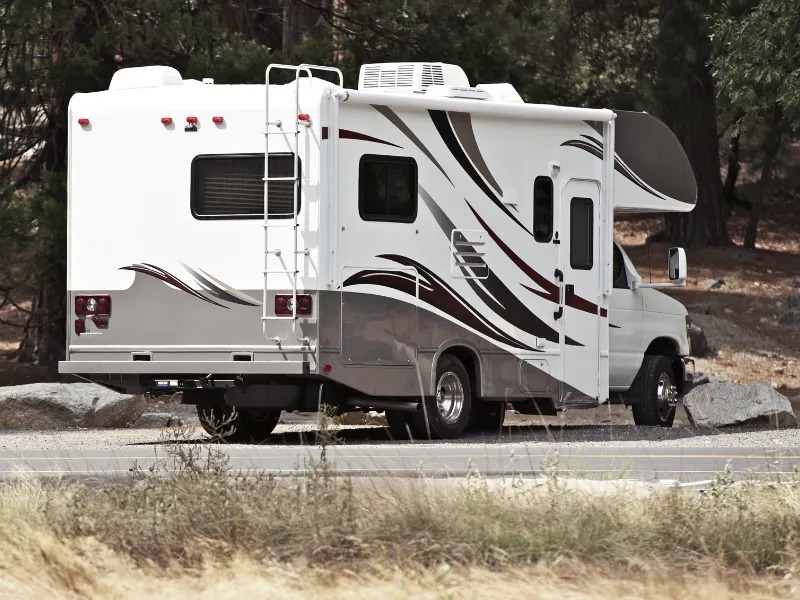
An RV park is designed mainly for people traveling in recreational vehicles. These parks focus on short-term accommodation and are commonly used by tourists, seasonal travelers, and road trip enthusiasts.
RV parks usually provide essential hookups such as electricity, water, and sewage. The layout allows easy vehicle movement, making arrival and departure convenient. Most guests stay for a few days or weeks before continuing their journey.
RV parks are often located near highways, travel routes, and popular destinations, offering convenience rather than permanent living.
What Is a Trailer Park?
A trailer park, also known as a mobile home park, is intended for long-term or permanent residence. Residents typically place a mobile home on a rented lot and live there for extended periods.
Trailer parks function more like residential neighborhoods. People living there usually have stable jobs, children attending nearby schools, and long-term connections within the community.
Homes in trailer parks are rarely moved, creating a more settled and predictable living environment.
RV Park vs Trailer Park: Main Differences
The comparison of rv park vs trailer park becomes clearer when looking at the key differences below.
Length of Stay:
RV parks are designed for short-term stays, while trailer parks are meant for long-term living.
Purpose:
RV parks support travel and tourism. Trailer parks provide affordable residential housing.
Community:
RV parks have temporary guests who frequently change. Trailer parks have long-term residents who form a stable community.
Location:
RV parks are usually near highways and tourist areas. Trailer parks are commonly found near towns and cities.
These factors clearly separate the two options despite their similar appearance.
Cost Comparison
Cost is an important consideration when discussing rv park vs trailer park. RV parks typically charge daily or weekly rates, which can become costly over time.
Trailer parks usually offer monthly rental options, making them more affordable for people planning to stay long-term. For permanent living, trailer parks are generally the more economical choice.
Choosing the Right Option
If you prefer flexibility, travel, and short stays, an RV park is the better option. If you want stability, affordability, and a long-term community, a trailer park is more suitable.
Understanding rv park vs trailer park helps you choose based on lifestyle needs rather than assumptions.
Final Thoughts
RV parks and trailer parks may appear similar, but they are designed for very different lifestyles. RV parks focus on temporary stays and travel convenience, while trailer parks support long-term residential living. When comparing rv park vs trailer park, your decision should depend on your budget, lifestyle, and length of stay. Whether you are planning a short visit to a place like Midland East RV Park or looking for permanent housing, understanding these differences allows you to make an informed choice.

























Sign in to leave a comment.