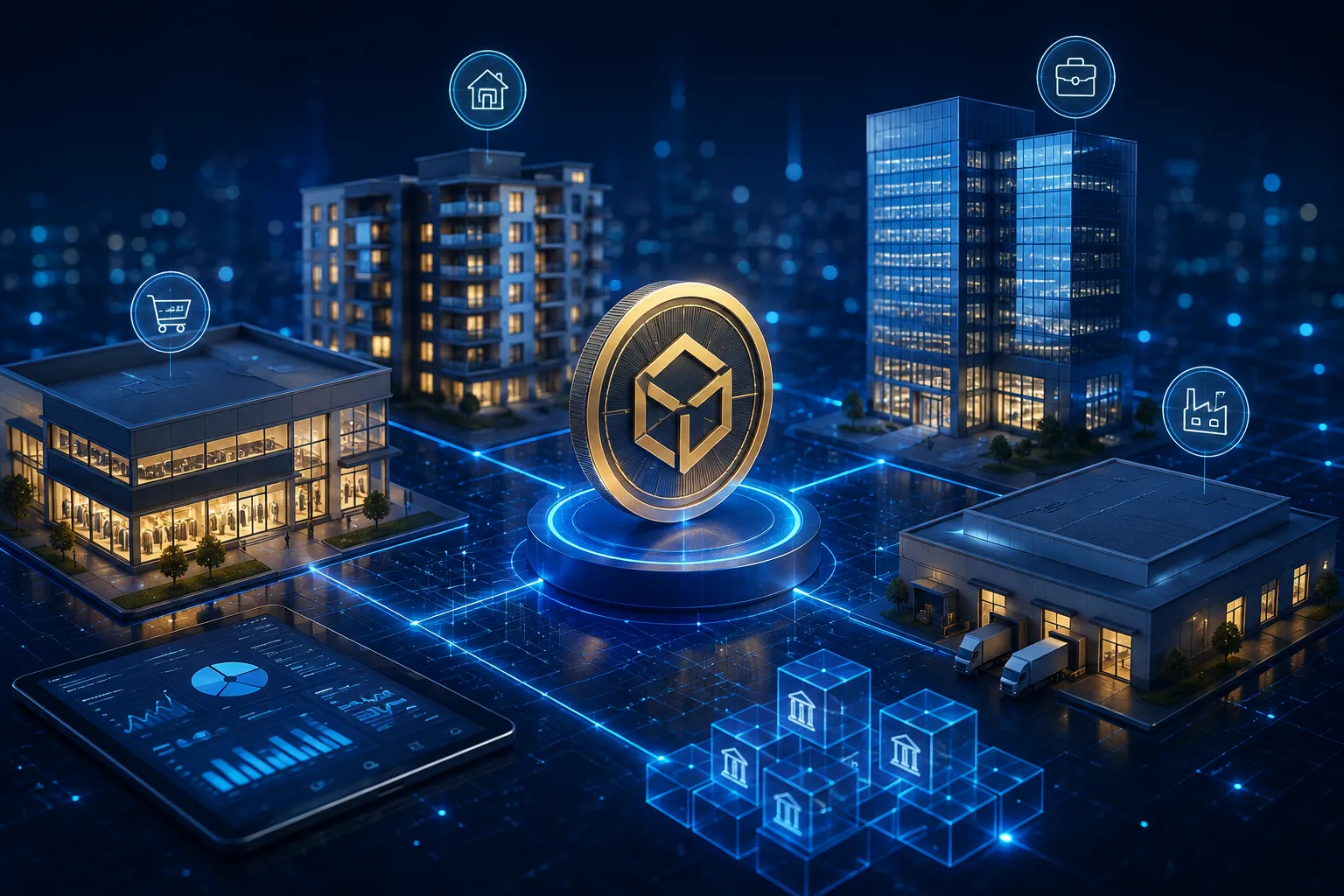
Real-world asset (RWA) tokenization is emerging as a practical blockchain application for bringing physical and traditional financial assets into digital ecosystems. Instead of representing ownership or economic rights through conventional paperwork and centralized systems alone, tokenization can create blockchain-based digital representations of eligible assets or interests.
Retail and commercial assets are particularly interesting because they span a wide range of investment categories, including commercial properties, retail spaces, commodities, inventory, equipment, precious metals, and other income-generating assets.
With the right infrastructure, businesses can use tokenization to improve access, transparency, transferability, record management, and fractional participation. However, successful implementation requires much more than creating a digital token. It involves asset structuring, legal frameworks, smart contracts, compliance, custody, investor management, and secure platform architecture.
This article explores the major use cases, opportunities, development considerations, and costs involved in building RWA tokenization solutions for retail and commercial assets.
What Is RWA Tokenization?
RWA tokenization refers to representing rights, ownership interests, claims, or economic exposure to real-world assets through blockchain-based tokens.
Depending on the legal and technical structure, tokenized assets may represent:
- Real estate interests
- Gold and precious metals
- Commercial properties
- Retail assets
- Equipment
- Commodities
- Private credit
- Bonds
- Infrastructure
- Investment funds
- Receivables
- Other eligible physical or financial assets
The token itself does not automatically create legal ownership. The legal structure must establish what rights the token represents and how those rights are enforced.
Why Tokenize Retail & Commercial Assets?
Traditional asset markets can involve paperwork, intermediaries, fragmented records, high transaction costs, and limited accessibility.
RWA tokenization can potentially address some of these challenges by introducing programmable digital ownership or investment records.
Fractional Participation
Tokenization can divide an eligible asset or economic interest into smaller digital units. This can potentially lower the minimum investment threshold for certain asset classes.
For example, instead of requiring one investor to purchase an entire commercial property, a properly structured tokenized offering could allow multiple eligible investors to participate in defined interests.
Improved Transparency
Blockchain networks can provide an auditable record of token transactions and ownership changes, depending on the platform architecture.
Faster Settlement
Smart contracts and blockchain infrastructure can automate selected transaction and settlement processes, potentially reducing manual reconciliation.
Broader Market Access
Tokenized assets may be distributed through digital platforms to eligible investors across multiple markets, subject to applicable securities, financial, and geographic regulations.
Programmable Ownership
Smart contracts can automate selected functions such as transfers, distributions, compliance checks, and investor permissions.
Major Use Cases for Retail & Commercial RWA Tokenization
1. Commercial Real Estate Tokenization
Commercial real estate is one of the most prominent potential applications for RWA tokenization.
Properties such as:
- Shopping centers
- Office buildings
- Retail stores
- Warehouses
- Hotels
- Business parks
can potentially be represented through structured tokenized interests.
A platform can provide investors with access to property information, ownership records, distributions, and transaction history.
Tokenization may also enable fractional participation in income-generating commercial properties, although the exact legal and financial structure varies by jurisdiction.
2. Retail Property Investment
Retail properties can include shopping malls, supermarkets, retail outlets, and mixed-use commercial spaces.
A tokenization platform can potentially organize investment opportunities around individual properties or portfolios.
Smart contracts may support automated distribution mechanisms based on predefined rules.
3. Gold Asset Tokenization
Gold is another important asset class for blockchain-based tokenization.
Gold tokenization development services can enable businesses to create digital representations backed by physical gold, subject to appropriate custody, verification, legal structuring, and regulatory requirements.
A properly designed platform may provide:
- Asset-backed tokens
- Gold ownership records
- Custody information
- Token issuance
- Transfer functionality
- Redemption mechanisms
- Proof-of-reserve information
- Investor dashboards
The key challenge is ensuring that the physical gold backing the digital representation is securely held, independently verifiable, and legally connected to token-holder rights.
4. Commercial Equipment
Businesses can explore tokenization for high-value commercial equipment such as:
- Construction machinery
- Manufacturing equipment
- Agricultural machinery
- Transportation equipment
- Industrial tools
Tokenization could support financing, fractional participation, asset tracking, or investment structures depending on the use case.
5. Inventory Financing
Businesses with significant inventories may explore tokenized financing models.
For example, eligible inventory or receivables could potentially be incorporated into a structured tokenized financing arrangement, allowing investors or financial institutions to participate in financing activities.
Such models require careful legal, accounting, custody, and risk assessment.
6. Commercial Property Funds
Tokenization can also be applied to investment funds or special-purpose vehicles holding commercial assets.
Rather than tokenizing the physical building directly, a platform may tokenize interests in an entity that owns or manages the asset.
This approach can sometimes provide greater flexibility for structuring investor rights, distributions, governance, and compliance.
How an RWA Tokenization Platform Works
A commercial RWA tokenization ecosystem typically includes several components.
Asset Onboarding
The platform first identifies and verifies the underlying asset.
Relevant information can include:
- Asset ownership
- Valuation
- Location
- Condition
- Documentation
- Custody
- Legal structure
- Insurance
Legal Structuring
A legal framework establishes what the token represents and how investors receive enforceable rights.
This may involve special-purpose entities, contracts, securities structures, trusts, or other legal mechanisms depending on the asset and jurisdiction.
Token Creation
Once the asset and legal structure are established, blockchain tokens can be created according to predefined rules.
The token may represent ownership, an economic interest, debt exposure, revenue participation, or another legally defined right.
Investor Onboarding
Investors may need to complete identity verification, eligibility checks, accreditation checks, or other compliance requirements depending on the offering.
Primary Issuance
Eligible investors purchase tokens through the platform.
Smart contracts can record token issuance and relevant transaction information.
Secondary Transfers
Where legally permitted, tokenized interests may be transferred through an approved secondary marketplace or trading infrastructure.
Asset Management
The platform can provide ongoing reporting, distributions, corporate actions, compliance monitoring, and investor communication.
Essential Features of an RWA Tokenization Platform
A commercial-grade platform may require the following features:
Asset Management
Administrators can add, verify, categorize, and monitor tokenized assets.
Token Issuance
The platform should support configurable token creation based on the legal and economic structure of the asset.
KYC and AML
Investor onboarding can integrate identity verification and compliance workflows.
Investor Dashboard
Investors can view:
- Portfolio
- Token holdings
- Asset information
- Transaction history
- Distributions
- Documents
- Performance data
Smart Contracts
Smart contracts can automate issuance, transfers, distributions, permissions, and other predefined processes.
Compliance Controls
Permissioned transfers, geographic restrictions, investor eligibility, and other compliance rules can be incorporated where required.
Digital Wallet Integration
Users can connect supported wallets or use platform-managed wallet infrastructure depending on the business model.
Payment Integration
The platform may support fiat payment rails, stablecoins, or other permitted payment mechanisms.
Marketplace
Where legally permitted, the platform can provide a marketplace for eligible tokenized assets.
Reporting & Analytics
Asset managers can monitor issuance, ownership, transactions, investor activity, distributions, and platform performance.
Role of Asset Tokenization Development Services
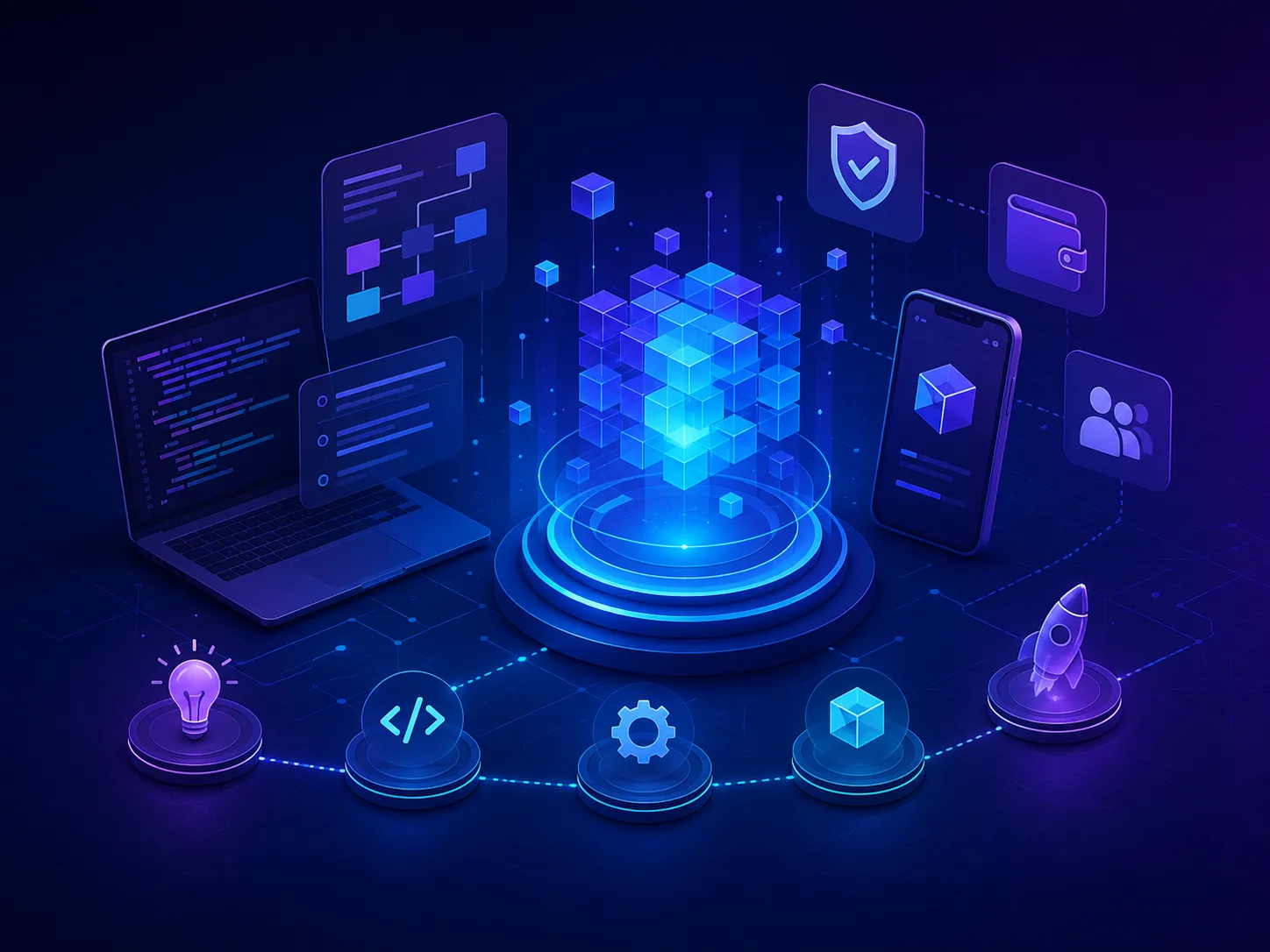
Building an RWA platform requires expertise across blockchain, financial technology, security, compliance, and asset management.
Professional Asset tokenization development services can cover areas such as:
- Business and technical consulting
- Tokenization architecture
- Smart contract development
- Token issuance systems
- Investor dashboards
- KYC/AML integrations
- Wallet integration
- Marketplace development
- Payment integration
- Asset management modules
- Blockchain integration
- Security testing
- Platform maintenance
The development approach should be tailored to the asset class and jurisdiction instead of relying on a generic tokenization framework.
RWA Tokenization Development Cost
The RWA tokenization development cost depends heavily on the platform's scope and compliance requirements.
A basic asset tokenization platform with limited functionality will require less development effort than a regulated marketplace supporting multiple asset classes, investor verification, secondary trading, custody integrations, and complex smart contracts.
Key cost factors include:
- Platform architecture
- Blockchain selection
- Smart contract complexity
- Asset classes
- Token standards
- KYC/AML integrations
- Wallet infrastructure
- Payment systems
- Marketplace functionality
- Security audits
- Compliance requirements
- Custody integrations
- Multi-chain support
- Mobile application requirements
- Post-launch maintenance
Businesses should also account for non-development expenses such as legal structuring, asset valuation, custody, audits, licensing, compliance, and operational infrastructure.
Opportunities for Businesses
RWA tokenization can create opportunities for multiple stakeholders.
Asset Owners
Asset owners may gain access to new financing and investment structures.
Investors
Eligible investors can potentially access fractional interests or digitally represented investment opportunities.
Financial Institutions
Banks and financial institutions can explore tokenized lending, collateral, settlement, and investment products.
Asset Managers
Asset managers can use digital infrastructure to manage investor records, distributions, and asset portfolios.
Retail Businesses
Retail companies can explore tokenization for property, inventory financing, loyalty ecosystems, or investment structures where appropriate.
Challenges of RWA Tokenization
Despite its potential, tokenization comes with several challenges.
Regulatory Compliance
Tokenized assets may fall under securities, financial services, property, commodities, or other regulations depending on their structure and jurisdiction.
Asset Custody
The connection between the physical asset and digital token must be reliable and legally enforceable.
Valuation
Real-world assets require accurate and regularly updated valuations.
Liquidity
Creating a token does not automatically create a liquid secondary market. Sufficient buyers, sellers, market infrastructure, and regulatory permissions may be necessary.
Smart Contract Security
Vulnerable smart contracts can create financial and operational risks.
Legal Enforceability
The token-holder's rights must be clearly defined through appropriate legal documentation.
Future of RWA Tokenization for Commercial Assets
The RWA sector is moving toward greater integration between traditional finance and blockchain infrastructure.
Future developments may include:
- Tokenized commercial property funds
- Blockchain-based collateral
- Tokenized private credit
- Digital securities marketplaces
- Tokenized commodities
- Institutional asset platforms
- Automated compliance
- AI-powered asset valuation
- Cross-chain asset infrastructure
- Programmable distributions
As blockchain technology matures, businesses may increasingly use tokenization as an infrastructure layer rather than treating it as a standalone cryptocurrency product.
Final Thoughts
RWA tokenization offers a new approach to representing and managing real-world assets through blockchain infrastructure. For retail and commercial businesses, potential applications range from commercial real estate and gold to equipment, inventory financing, and investment funds.
However, successful tokenization requires more than developing smart contracts. Businesses must establish clear legal rights, secure asset custody, reliable valuation, regulatory compliance, investor protection, and appropriate platform architecture.
With the right strategy and experienced Asset tokenization development services, companies can build secure and scalable platforms that connect traditional assets with digital markets. Understanding RWA tokenization development cost, compliance requirements, technology infrastructure, and asset-specific risks is essential before moving from concept to production.
Similarly, specialized Gold Asset tokenization services can help businesses explore blockchain-based representations of precious metals while maintaining the necessary connection between physical reserves, custody, verification, and digital ownership rights.























Sign in to leave a comment.