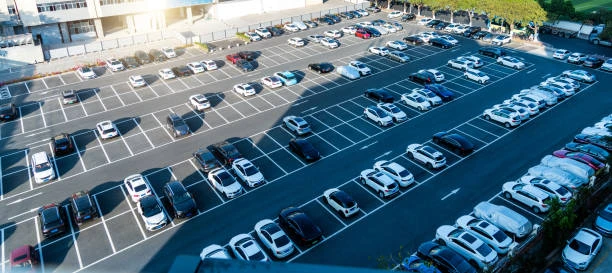

I’ve spent decades turning cracked eyesores into tidy stretches of pavement people actually trust to park on. Call me part engineer, part magician with a kettle and a compactor. Keeping a parking lot safe, attractive, and long-lived isn’t rocket science — it’s routine, discipline, and a few hard-won hacks from jobs that taught me faster than a missed pothole ever could.
Inspect systematically and early
- Walk the lot monthly: Look for potholes, surface raveling, alligator cracking, edge failures, and drainage pooling. Visual inspections catch problems when they’re cheap to fix.
- Use simple tools: A tape measure, camera, and a clipboard beat guesswork every time. Once I found a trailer sunk into a soft edge that a flashlight would have missed; the client still owes me coffee for that discovery.
- Prioritize hazards: Mark trip hazards and high-traffic defects for immediate action. Safety first; curb appeal can wait a week.
Clean first, repair second
- Debris removal: Sweep, blow, and pressure-wash oil stains. Sealants and patches cling to clean surfaces — anything else is false economy.
- Vegetation control: Pull roots and herbicide any encroaching greenery; plants under asphalt are like termites under a porch — they’ll win eventually.
- Field note: I once tried sealing over a filthy lot to save time; weeds pushed right through like they were filing a formal complaint. Don’t be me.
Choose fixes that fit the problem
- Crack sealing for longevity: Route wide cracks, insert backer rod where needed, and use a hot-pour rubberized sealant for main drives. Hairline cracks can take a quality cold pour as a short-term measure.
- Pothole protocol: Square the edges, compact the base, apply patch material in lifts, and compact between lifts. Compact twice, test once — trucks are merciless quality control.
- Edge rebuilds: Reconstruct undermined edges with a proper base, tack coat, and compacted lift; edge failures spread if ignored.
Sealcoating and aesthetics
- Sealcoat timing: Apply every 2–4 years depending on traffic and climate. Two thin coats are better than one heavy coat.
- Line striping: Repaint parking lines, fire lanes, ADA stalls, and directional arrows. Clear markings improve safety and reduce liability.
- Curb appeal tip: Fresh striping and sealed surfaces make even an older lot look intentional — like a suit you can still wear with confidence.
Drainage and surface water management
- Slope and flow: Water is asphalt’s enemy. Confirm positive drainage away from the lot and repair low spots where water ponds.
- Gutters and drains: Clear blockages; replace rusted grates. I once crawled under a clogged trench and learned that wearing a flashlight on your head increases job satisfaction exponentially.
- Preventative note: Fix drainage first; every other maintenance step is wasted if water keeps returning.
Record-keeping and lifecycle planning
- Maintenance log: Track dates, materials, contractors, and photos. Clients love transparency; your future self will love the records when warranty questions pop up.
- Budget schedule: Plan for sealcoating, crack sealing, and eventual resurfacing. Small annual outlays beat an unexpected full overlay.
- Warranty mindset: Offer realistic expectations and a one-year watch window for new work — people appreciate honesty more than hyperbole.
Final contractor wisdom
Safety, curb appeal, and longevity are three legs of the same stool. Ignore one and the stool wobbles; ignore two and you’ll be replacing the stool entirely. Do the basics right: inspect, clean, fix correctly, seal, and document. Treat the lot like an asset with a schedule, not a problem to be wrestled when it screams.
If you want the lot to look like someone cares, it will. If you want it to last like it mattered, do these steps and resist the lure of “temporary” fixes. After all, my favorite compliment on a job is the quiet one: “No one’s complained.” That’s the sound of good maintenance doing its job — and that, my friend, is worth more than a fresh coat of paint on a cracked sidewalk.
























Sign in to leave a comment.