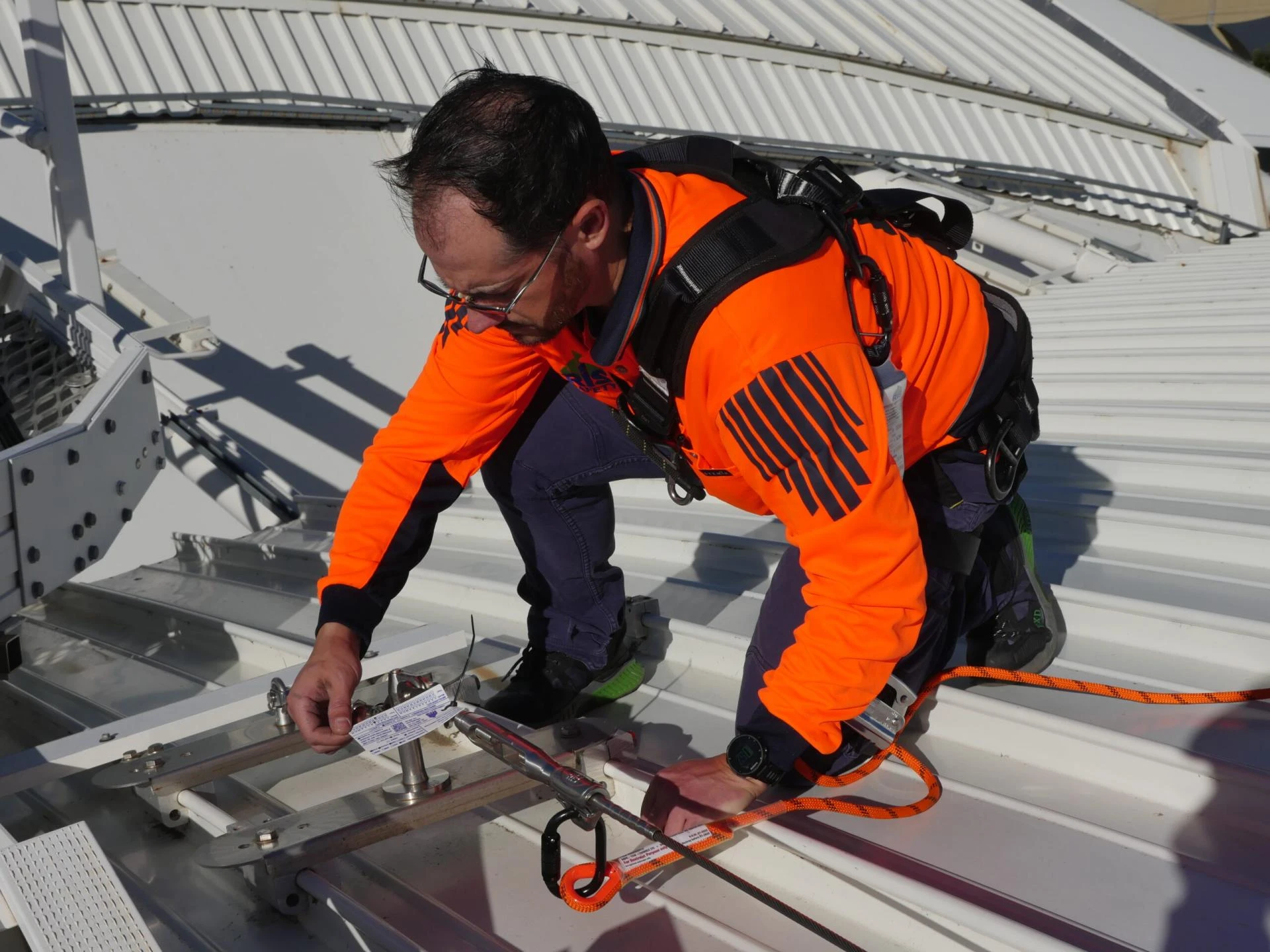

In industries where working at height is routine, fall protection equipment is more than a precaution - it is a lifeline. Harnesses, lanyards, lifelines, and anchor points safeguard workers from potentially fatal accidents, but their effectiveness depends heavily on consistent inspection. A well-designed fall protection system can fail if not properly checked, turning what should be a safeguard into a liability. Regular fall protection inspections are, therefore, a critical component of workplace safety, ensuring that every step taken above ground is supported by reliable equipment.
Why Fall Protection Inspections Matter
Falls remain one of the leading causes of injury and death in construction, maintenance, and industrial operations. While regulations mandate the use of fall protection systems, compliance alone is not enough. Wear, environmental exposure, and improper storage can all degrade the integrity of protective gear. Without timely inspections, these hidden weaknesses can go unnoticed until it is too late. Inspections not only meet regulatory requirements but also reinforce a culture of accountability and care, where workers trust their equipment and employers safeguard lives.
Frequency and Responsibility
Inspection frequency is guided by both manufacturer recommendations and occupational safety standards. Typically, fall protection equipment should be inspected before each use by the worker and undergo a more detailed, documented inspection at least annually by a competent person. High-use environments or exposure to harsh conditions, such as extreme weather or chemical exposure, may necessitate even more frequent checks. Responsibility lies with both the individual worker, who must remain vigilant, and the employer, who must ensure systematic oversight.
What to Inspect
Each component of a fall protection system requires specific attention. For harnesses, inspectors check webbing for fraying, cuts, burns, or chemical damage, and ensure buckles and D-rings function correctly. Lanyards and lifelines must be free of knots, abrasions, and excessive wear, while connectors should lock and unlock smoothly. Anchor points are perhaps the most critical element, as they bear the brunt of arresting falls; they must be inspected for secure installation, corrosion, or deformation. Even small defects can compromise safety, which is why inspections must be thorough and methodical.
Documentation and Recordkeeping
Inspections are only as valuable as the records that accompany them. Maintaining written logs of inspection dates, findings, and corrective actions provides a traceable history of equipment reliability. These records help employers plan replacements, verify compliance during audits, and demonstrate a proactive approach to safety management. More importantly, they build trust among workers who rely on the assurance that their gear has been evaluated and cleared for use.
Consequences of Neglect
The dangers of overlooking fall protection inspections are not abstract - they translate into real accidents, injuries, and fatalities. Equipment that appears sound to the naked eye may conceal weaknesses that fail under sudden load. Beyond the human cost, neglecting inspections exposes organisations to legal penalties, liability claims, and reputational harm. Investing in consistent inspection practices is far less costly than facing the aftermath of an avoidable tragedy.
Building a Culture of Safety
Inspections should not be treated as a routine checkbox but as an integral part of workplace culture. Training workers to recognise signs of wear, empowering them to report concerns, and fostering open communication all contribute to safer environments. Supervisors and safety managers set the tone by prioritising inspections, addressing issues promptly, and reinforcing that safety is everyone’s responsibility. In doing so, inspections evolve from a mandated task into a collective commitment to protect lives.
Final Thoughts
Fall protection systems save lives, but only if they are maintained with diligence and care. Regular inspections, thorough recordkeeping, and shared responsibility ensure that workers can perform their duties with confidence, even at great heights. By embedding fall protection inspection into daily routines and long-term safety strategies, organisations take meaningful steps toward preventing accidents.



























Sign in to leave a comment.