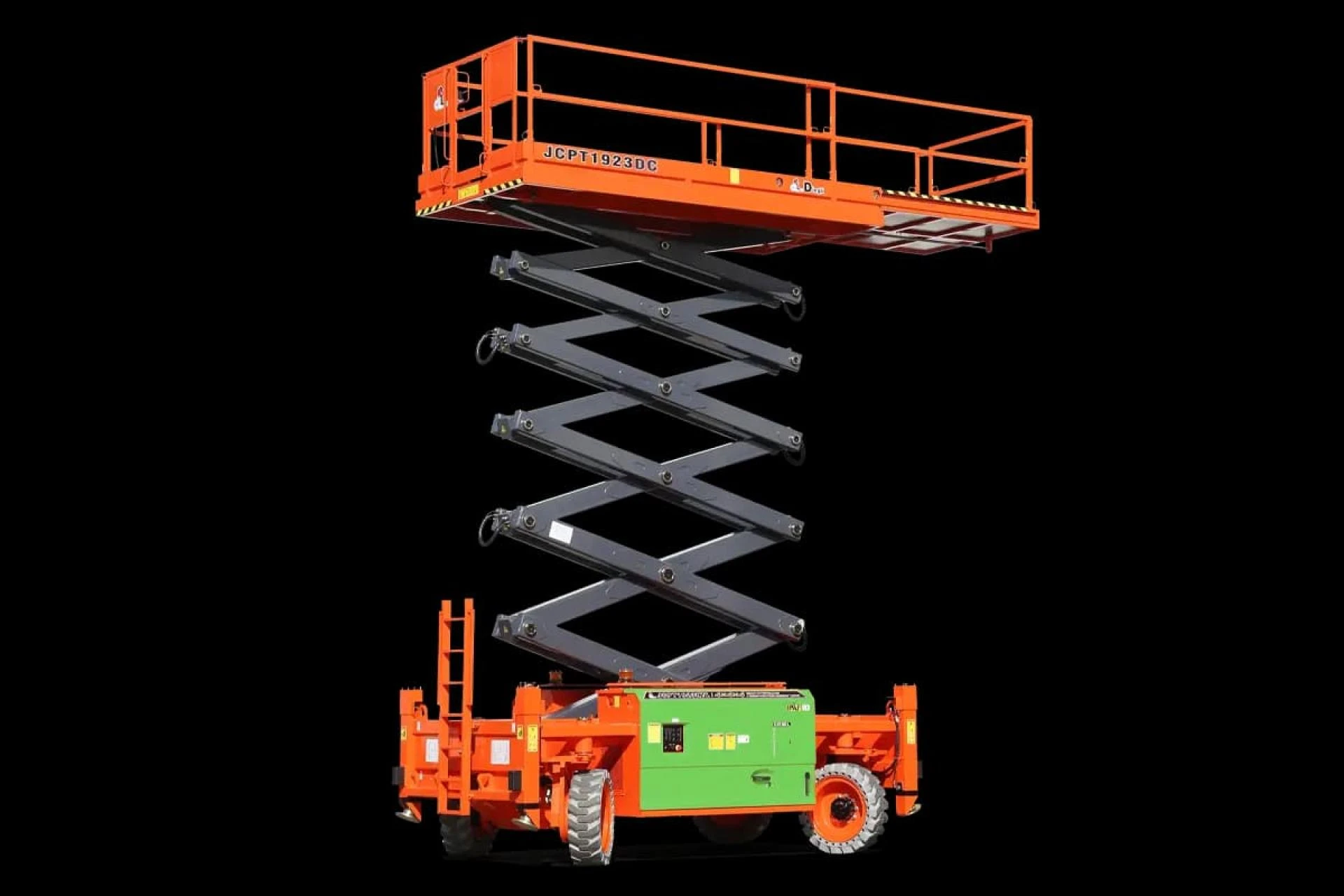

In various industries, from construction and manufacturing to arts and crafts, the super scissors have emerged as an essential tool for cutting through tough materials with precision and ease. However, like any cutting instrument, the effective and safe use of super scissors hinges upon proper techniques and safety protocols. Ensuring that operators are well-informed about the best practices for using this tool not only enhances productivity but also significantly reduces the risk of accidents. This article will explore essential safety tips for using super scissors effectively, ensuring that users can harness their capabilities while minimizing potential hazards.
Understanding the Types of Super Scissors
Before delving into safety tips, it is vital to understand that not all super scissors are created equal. Different types of super scissors are designed for various applications, which means that safety practices may vary slightly based on the specific tool being used. For instance, some super scissors are designed for heavy-duty tasks, such as cutting through thick materials like cardboard, fabric, or plastic, while others may be tailored for more delicate tasks, such as trimming paper or thin fabrics.
Understanding the specific type of super scissors being used will help operators identify the appropriate safety measures and handling techniques. Familiarizing oneself with the tool's features, including ergonomic designs, blade types, and cutting mechanisms, can also enhance operational efficiency and safety.
Proper Handling Techniques
One of the cornerstones of safe super scissors usage lies in mastering proper handling techniques. Incorrect handling can lead to accidents, injuries, and damaged materials. Here are some essential handling tips:
1. Grip the Scissors Correctly
When using super scissors, it is crucial to maintain a secure grip on the handle. The fingers should be positioned comfortably within the finger holes, ensuring that the scissors feel stable and controlled in the hand. This grip allows for better maneuverability and reduces the likelihood of slipping, which could result in unintended cuts or injuries.
2. Keep the Cutting Edge Away from the Body
To prevent accidental cuts, users should always direct the cutting edge away from their bodies while using super scissors. This simple practice minimizes the risk of injury, especially when cutting through tough materials that require force. Additionally, it is essential to be mindful of the surrounding area and ensure that no one is in close proximity to the cutting path.
3. Use the Right Amount of Force
While super scissors are designed to cut through tougher materials, using excessive force can lead to slips and accidents. Operators should apply just enough pressure to make clean cuts without forcing the scissors through the material. If the scissors encounter resistance, it may be a sign that a different cutting technique or tool is required.
Maintaining a Clean and Organized Workspace
A clean and organized workspace is vital for ensuring safety while using super scissors. Cluttered work areas can lead to distractions and increase the risk of accidents. Here are ways to maintain a safe environment:
1. Clear the Cutting Area
Before beginning any cutting task, it is important to clear the workspace of any unnecessary items or tools. This ensures that the operator has enough room to maneuver and reduces the risk of tripping or knocking over objects. A clean cutting area allows for better focus on the task at hand.
2. Use a Stable Surface
When using super scissors, operators should work on a stable and flat surface. This not only provides better control over the cutting process but also minimizes the risk of the material slipping or shifting unexpectedly. An unstable work surface can lead to accidents and compromised cutting accuracy.
3. Keep Tools and Materials Organized
Proper organization of tools and materials in the workspace contributes to a safer environment. Operators should ensure that all necessary items, including super scissors, are within reach but not cluttering the work area. Storing tools in designated locations reduces the likelihood of accidents caused by searching for items amidst disarray.
Wearing Appropriate Personal Protective Equipment (PPE)
Personal protective equipment (PPE) plays a crucial role in ensuring safety when using super scissors. Operators should prioritize wearing the appropriate gear to protect themselves from potential injuries:
1. Protective Eyewear
Cutting materials can sometimes result in small fragments or debris flying through the air. Wearing protective eyewear, such as safety goggles or glasses, can shield the eyes from these hazards. This is particularly important when working with tougher materials that may splinter or shatter during cutting.
2. Cut-Resistant Gloves
Using cut-resistant gloves provides an additional layer of protection for the hands while handling super scissors. These gloves are designed to resist cuts, abrasions, and punctures, reducing the risk of injury if the scissors slip or if the operator accidentally comes into contact with the cutting edge.
3. Appropriate Clothing
Wearing appropriate clothing is essential when using super scissors. Operators should avoid loose-fitting garments that may become caught in the scissors. Instead, it is advisable to wear fitted clothing that allows for freedom of movement without the risk of entanglement.
Training and Familiarization
Before using super scissors, individuals should receive proper training and familiarization with the tool. Adequate training ensures that users understand the right techniques and safety protocols associated with the scissors:
1. Learn the Features
Operators should take the time to familiarize themselves with the specific features of the super scissors being used. Understanding how the scissors function, including any safety locks or mechanisms, can enhance their effectiveness and safety during use.
2. Practice Safe Techniques
Training should include practice in safe cutting techniques. This may involve supervised sessions where individuals can practice handling the scissors, making cuts, and understanding the importance of maintaining a safe environment. Practicing these skills builds confidence and competence in using the tool effectively.
3. Stay Updated on Best Practices
Safety standards and best practices may evolve over time. It is important for operators to stay informed about any changes in safety protocols or recommendations regarding the use of super scissors. Regular refreshers and training sessions can help reinforce safe practices and keep operators updated.
Recognizing and Responding to Hazards
Despite taking precautions, hazards can still arise during the use of super scissors. Operators should be vigilant and prepared to respond appropriately:
1. Identify Potential Hazards
Before starting any cutting task, it is essential to conduct a hazard assessment. Operators should identify potential risks associated with the materials being cut, the workspace environment, and any nearby personnel. Recognizing hazards in advance allows for proactive measures to be taken.
2. Have a First Aid Kit Nearby
In the event of an accident, having a well-stocked first aid kit nearby is crucial. Operators should be familiar with the contents of the kit and know how to respond to minor injuries, such as cuts or scratches. Promptly addressing injuries can prevent them from escalating and ensure that work can continue safely.
3. Know When to Seek Help
If an operator feels uncertain about a cutting task or encounters difficulties while using super scissors, it is important to seek assistance. Whether it involves asking a colleague for help or consulting a supervisor, knowing when to request support can prevent accidents and ensure that tasks are completed safely.
Conclusion
Using super scissors effectively requires a combination of awareness, proper techniques, and adherence to safety protocols. By mastering handling techniques, maintaining a clean workspace, wearing appropriate PPE, and receiving adequate training, operators can harness the full potential of super scissors while minimizing risks.
Safety should always be a priority, as it directly impacts productivity and overall job satisfaction. For those looking to enhance their safety practices and ensure effective usage of cutting tools, HireSafe Solutions provides expert guidance and resources tailored to your needs. Don’t compromise on safety; take action today to cultivate a safer and more efficient working environment!






























Sign in to leave a comment.