

For many parents, small daily struggles can slowly become big concerns. A child may avoid handwriting homework, press too hard with a pencil, have trouble cutting with scissors, bump into furniture, dislike getting dressed, or become frustrated during morning routines. These challenges may look unrelated at first, but they often connect to the way a child uses their body, processes sensory information, coordinates movement, and manages everyday tasks.
A San Diego Pediatric Occupational Therapist helps children build the practical skills they need for school, play, self-care, and family life. Pediatric occupational therapy is not only about exercises. It is about understanding why a task feels hard for a child and then creating meaningful strategies that help the child participate with more confidence.
Understanding Pediatric Occupational Therapy
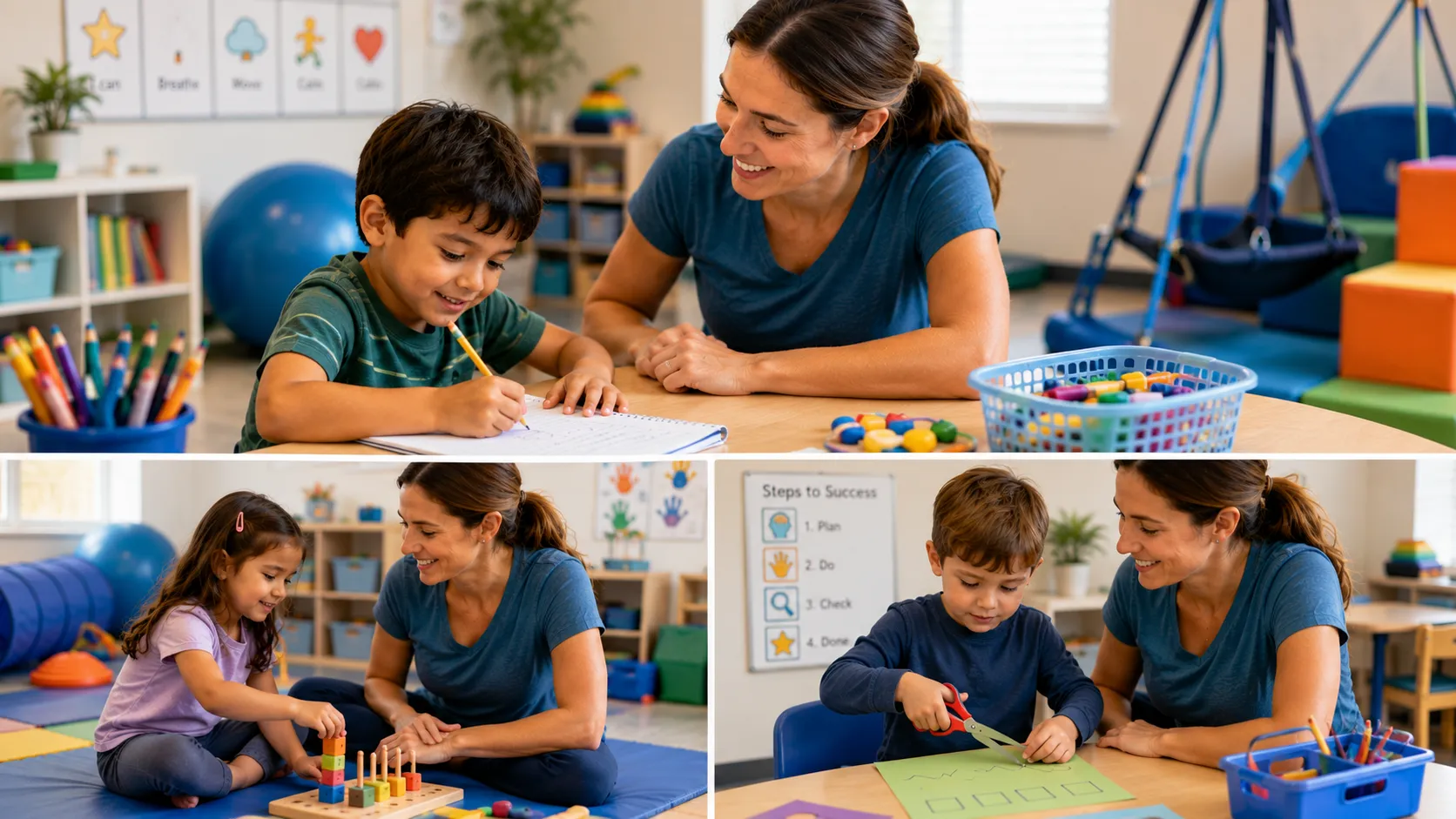
Occupational therapy for children focuses on the “occupations” of childhood. These include learning, playing, writing, dressing, eating, organizing materials, joining classroom activities, and completing routines at home. When a child struggles with these areas, the problem is not always motivation or behavior. Sometimes the child’s hands are weak, their body awareness is reduced, their visual motor skills are delayed, or their sensory system is overwhelmed.
A helpful therapy plan starts with careful observation. Instead of only looking at what a child cannot do, an occupational therapist looks at how the child approaches the task. Does the child fatigue quickly? Do they avoid messy play? Do they lose balance easily? Do they grip the pencil too tightly? Do they have trouble copying from the board? These details help identify the skill gaps behind the struggle.
Why an Evaluation Matters Before Therapy Begins
A strong occupational therapy evaluation gives parents a clearer picture of their child’s strengths and needs. A San Diego Pediatric Occupational Therapistmay assess fine motor skills, visual motor integration, visual perception, handwriting, coordination, sensory processing, and self-care skills. Parent concerns, teacher feedback, clinical observations, and formal testing all help create a more complete understanding of the child.
This matters because two children can show the same problem for very different reasons. For example, one child may write slowly because of poor hand strength, while another may struggle because of visual tracking or difficulty planning letter formation. One child may avoid dressing because buttons are hard to manage, while another may dislike the feeling of fabric or tags. The right evaluation helps therapy become targeted, practical, and easier to apply at home and school.
How Occupational Therapy Supports Handwriting
Handwriting is one of the most common reasons parents seek pediatric occupational therapy. A child may write letters backward, form letters inconsistently, press too hard, write too lightly, complain of hand pain, avoid written assignments, or produce work that teachers cannot read. These issues can affect confidence, school participation, and the ability to show what the child actually knows.
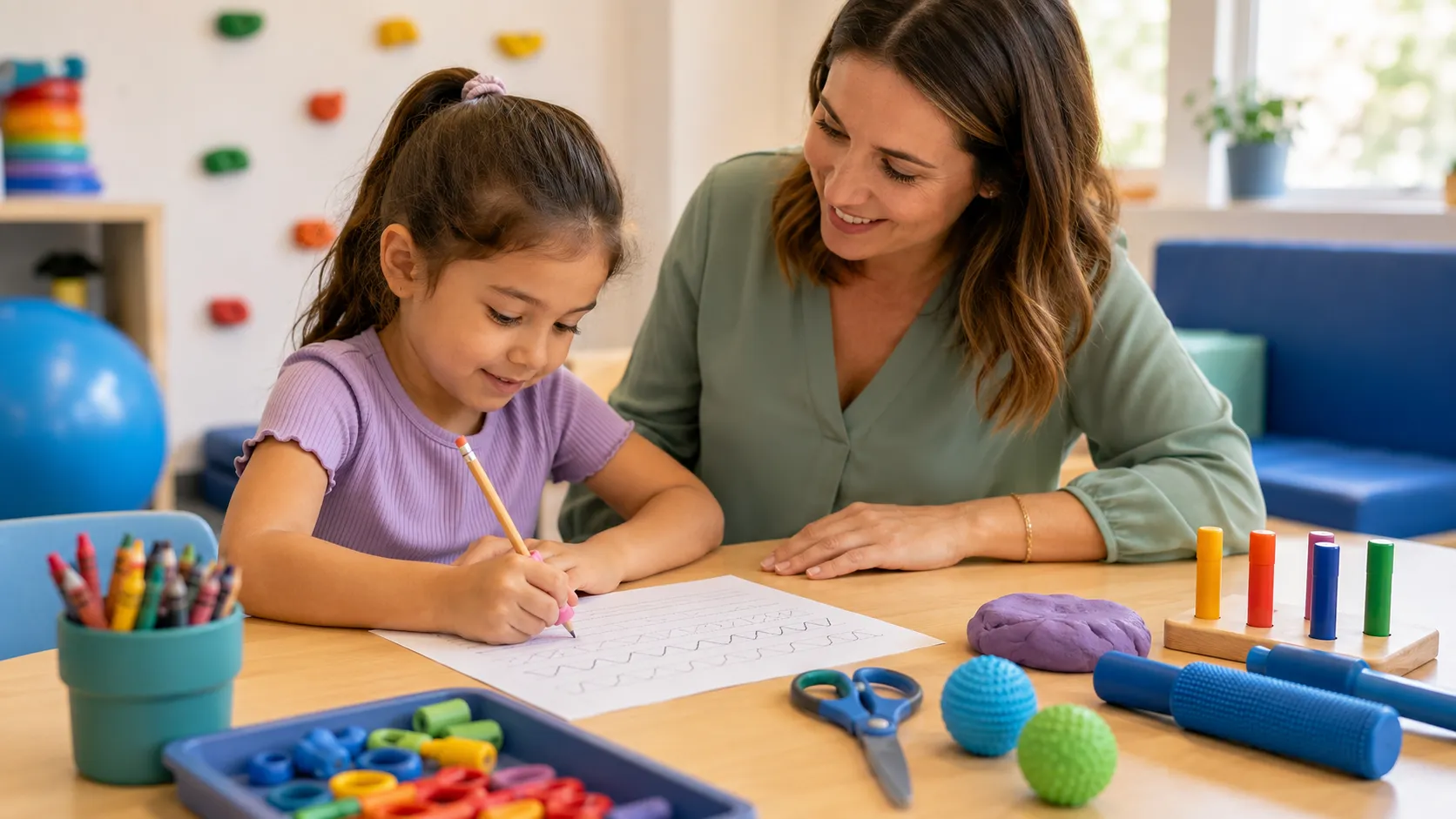
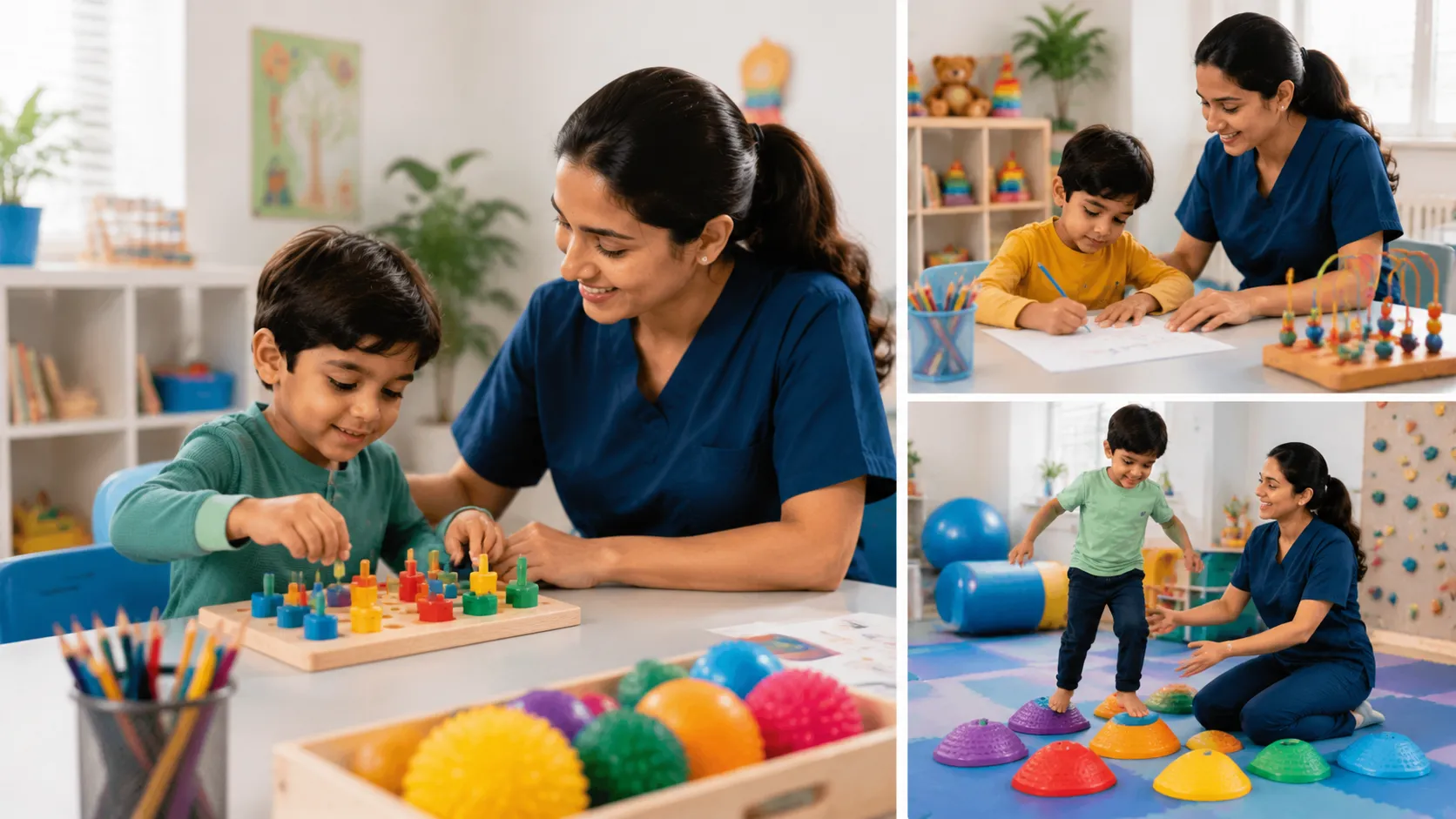
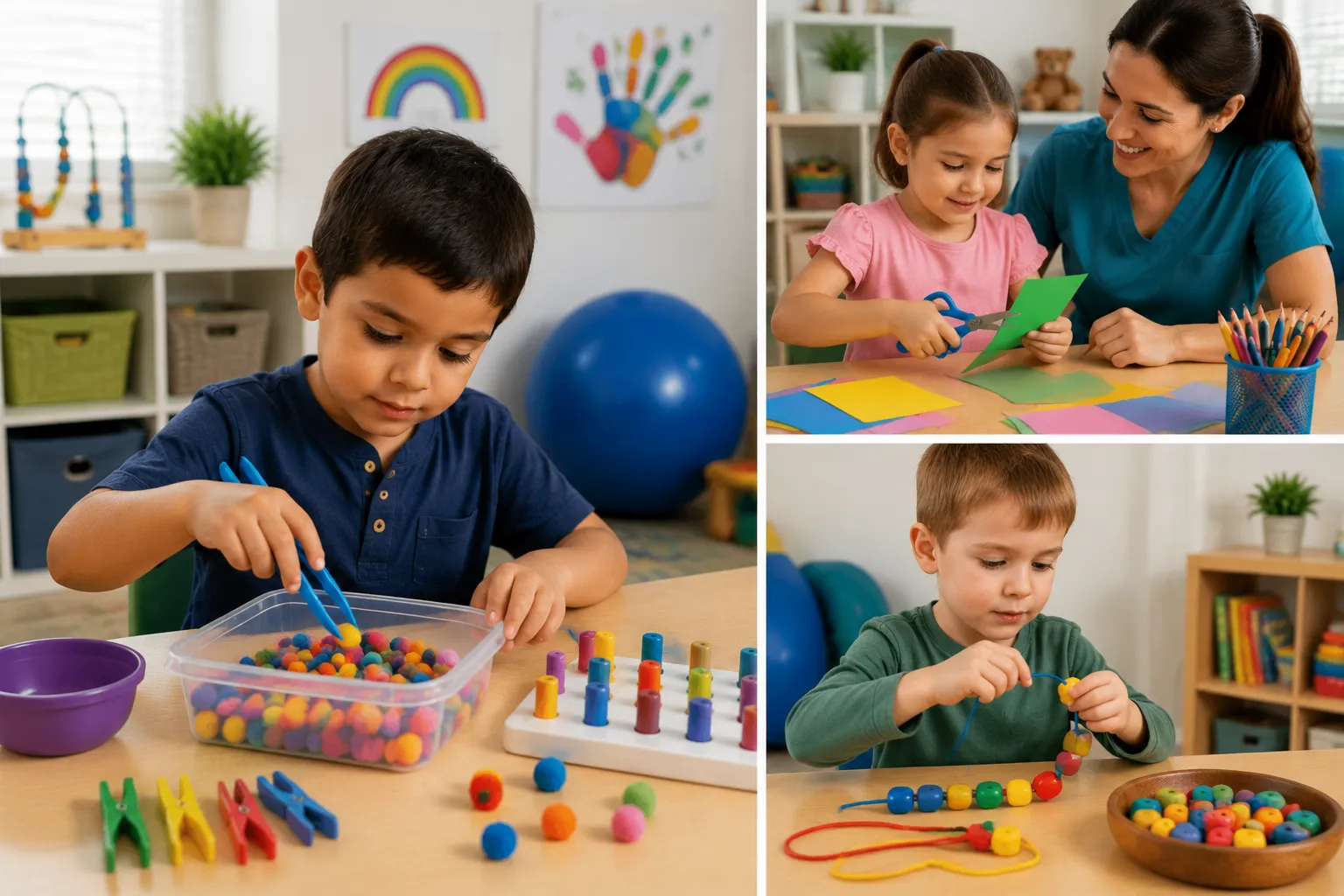
A San Diego Pediatric Occupational Therapist looks beyond the final written page. They may assess pencil grasp, posture, hand strength, finger control, spacing, line awareness, letter formation, bilateral coordination, and visual motor skills. Therapy may include activities that strengthen the small muscles of the hand, improve wrist stability, support better pencil control, and teach efficient writing habits.
Handwriting therapy is usually most effective when it feels engaging rather than stressful. Children may work through play-based fine motor tasks, tracing activities, multisensory letter practice, cutting tasks, drawing, building, and structured writing exercises. Over time, the goal is not perfect handwriting. The goal is functional handwriting that allows the child to complete schoolwork with less effort and more independence.
The Connection Between Coordination and Learning
Coordination affects much more than sports. Children use coordination when they climb stairs, catch a ball, sit upright at a desk, cut with scissors, open containers, use both hands together, copy from the board, and move safely through busy spaces. When coordination is difficult, children may appear clumsy, avoid playground equipment, tire quickly, or become anxious during physical activities.
A San Diego Pediatric Occupational Therapist may work on motor planning, balance, bilateral coordination, core strength, body awareness, and visual motor control. Motor planning is the ability to think of an action, organize the body, and complete the movement. A child with motor planning challenges may know what they want to do but struggle to make their body cooperate.
Therapy can include obstacle courses, ball activities, climbing, crawling, balance games, scooter board activities, and tasks that require both sides of the body to work together. These activities are not random play. They are designed to help the child develop smoother movement, better timing, improved posture, and stronger confidence in physical tasks.
Daily Routines Are a Major Part of Development
Daily routines can reveal many hidden challenges. Getting dressed, brushing teeth, tying shoes, packing a backpack, sitting through meals, completing homework, and transitioning to bedtime all require a mix of motor skills, sensory regulation, attention, sequencing, and emotional control.
When these routines become difficult, families may feel rushed, frustrated, or unsure whether the child is being stubborn. In many cases, the child may actually be overwhelmed by the task. Buttons may be too difficult. Toothbrushing may feel uncomfortable. Shoes may take too many steps. Homework may require more hand endurance than the child currently has.
The goal of a San Diego Pediatric Occupational Therapist is to make routines more manageable by breaking tasks into steps, building missing skills, and teaching strategies that fit the child’s real environment. This may include visual schedules, adaptive tools, sensory preparation, task simplification, or parent coaching. Small changes can make a big difference when they are consistent and realistic.
Sensory Processing and Self-Regulation
Some children struggle because their sensory system responds too strongly or not strongly enough to everyday input. They may dislike loud sounds, avoid certain textures, seek constant movement, chew on objects, crash into furniture, or become upset during transitions. Sensory processing differences can affect handwriting, coordination, attention, dressing, feeding, and classroom behavior.
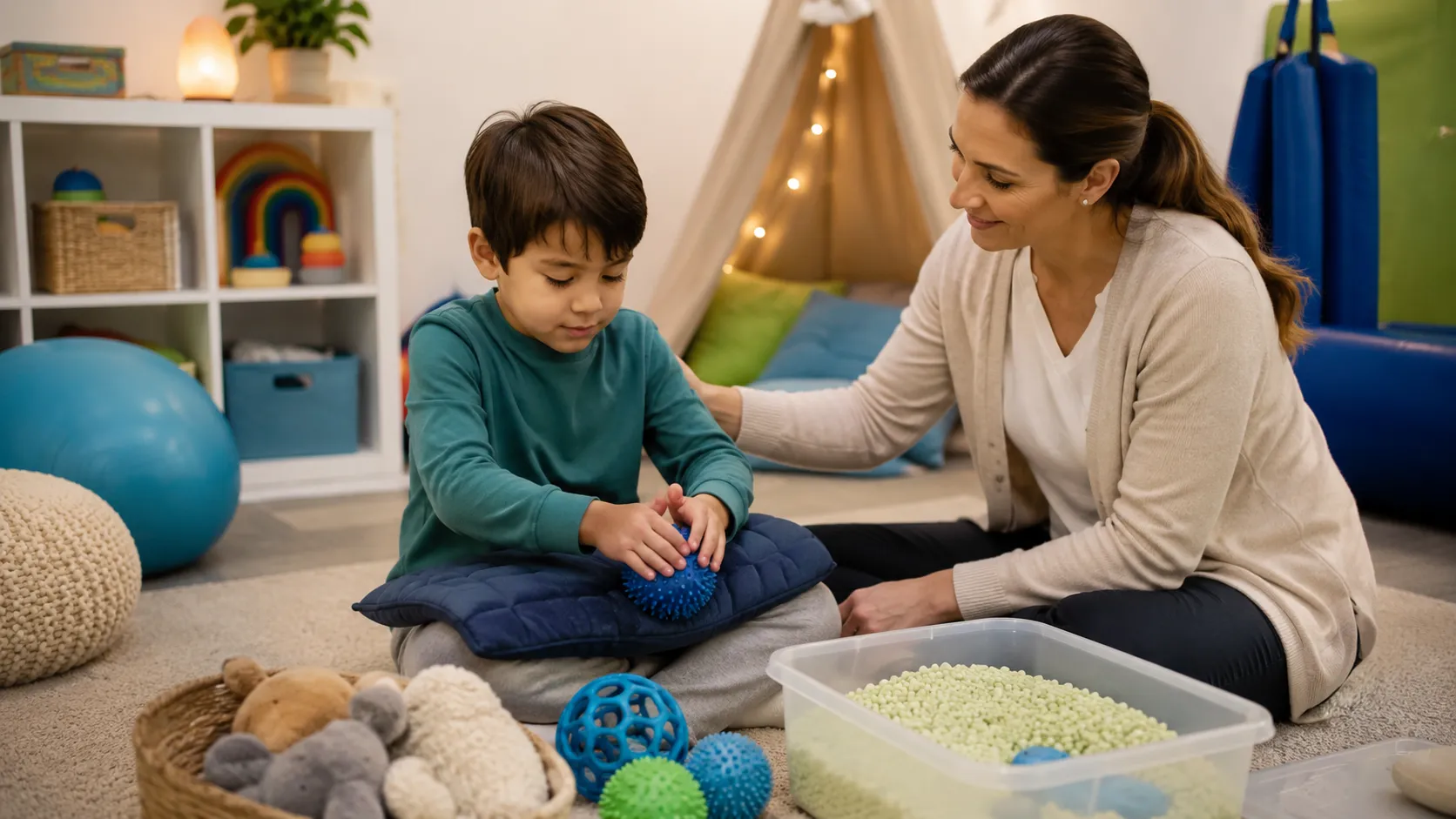
Occupational therapy can help children understand and manage sensory input in a healthier way. This may include movement activities, deep pressure input, calming routines, body awareness games, or sensory strategies that support focus. The purpose is not to change the child’s personality. The purpose is to help the child feel safer, calmer, and more ready to participate.
For parents, sensory support can be especially helpful because it explains why certain situations trigger big reactions. When families understand the child’s sensory needs, they can plan routines with more patience and fewer power struggles.
The Role of Parents and Teachers
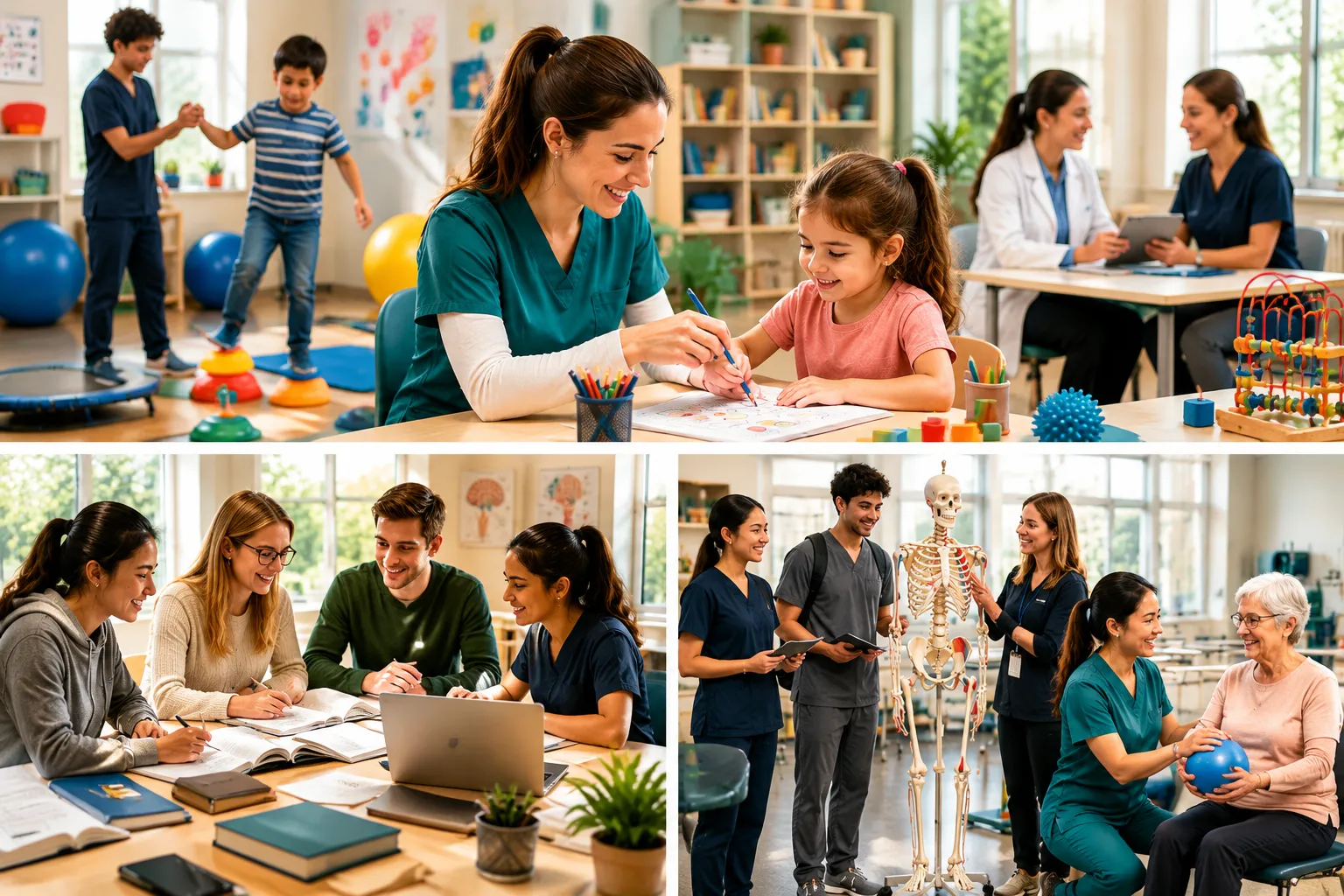
Pediatric occupational therapy works best when progress carries over beyond the clinic. Parents and teachers play an important role because they see the child in real-life situations every day. A child may perform well during a therapy session but still struggle in the classroom or at home if strategies are not practiced consistently.
An occupational therapist in san diego may provide practical recommendations for pencil grips, seating position, classroom tools, homework routines, sensory breaks, or self-care practice. Parents may receive guidance on how to support dressing, feeding, handwriting, or transitions without turning every task into a battle.
This team approach helps everyone use the same language and expectations. When therapy, home, and school are aligned, the child has more chances to practice new skills in meaningful ways.
Signs Your Child May Benefit from Occupational Therapy
Parents may consider an OT evaluation if their child regularly struggles with handwriting, pencil grasp, cutting, coloring, dressing, feeding, shoe tying, balance, coordination, attention during seated tasks, sensory sensitivities, or daily transitions. Other signs may include avoiding fine motor activities, frequent frustration with schoolwork, difficulty copying shapes or letters, messy written work, or needing more help with self-care than expected for their age.
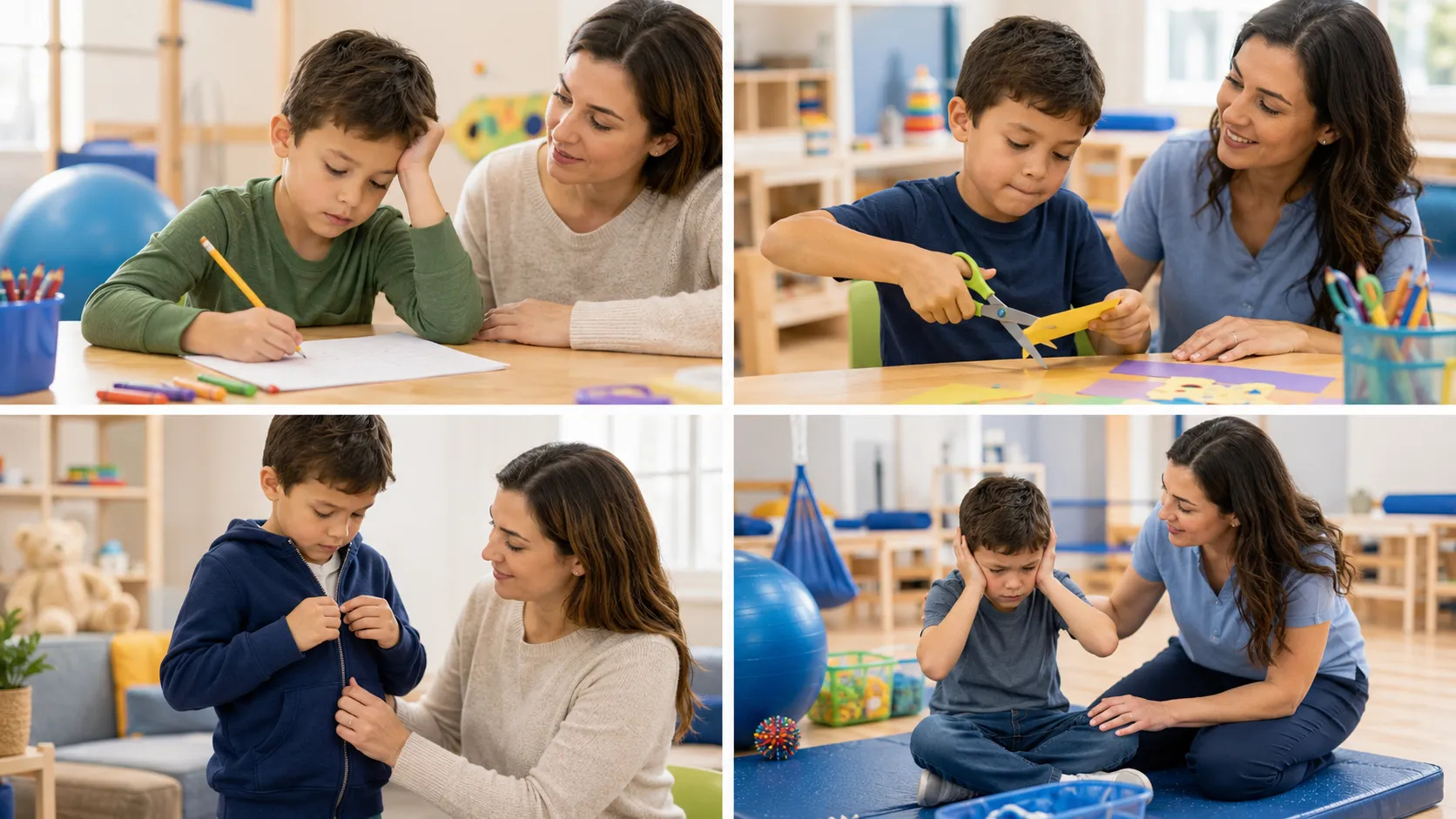
It is important to remember that children develop at different rates. One challenge does not always mean therapy is needed. However, when difficulties interfere with school participation, confidence, independence, or family routines, an evaluation can provide helpful answers.
What Progress Can Look Like
Progress in pediatric occupational therapy is often gradual and practical. A child may begin by tolerating a task longer, using a more comfortable pencil grasp, sitting with better posture, trying a new dressing step, completing a sensory routine before homework, or showing less frustration during transitions. These small improvements build the foundation for bigger gains.
Parents should look for functional changes, not only test scores. Is homework less stressful? Is morning dressing faster? Is the child more willing to write? Can they use scissors with better control? Are they more confident on the playground? These real-life outcomes show that therapy is supporting everyday participation.
Choosing the Right Support in San Diego
When looking for pediatric OT support, families should seek a provider who listens carefully, explains findings clearly, and creates goals that connect to daily life. A skilled occupational therapist in san diego should understand that every child has a different learning style, sensory profile, and family routine.
Working with a San Diego Pediatric Occupational Therapist can help parents move from confusion to clarity. With the right evaluation and treatment plan, children can strengthen handwriting, improve coordination, manage routines, and build the confidence they need for school and home success.
At WriteSteps, families can find child-centered occupational therapy evaluation and support focused on practical skills such as handwriting, fine motor development, visual motor skills, sensory processing, self-care, and daily participation. Write Steps helps children build meaningful abilities that support learning, independence, and confidence in everyday life.
FAQs
1. How do I know if my child’s handwriting problem is more than a normal delay?
If handwriting is consistently hard to read, painful, slow, poorly spaced, or avoided by your child, it may be more than a temporary delay. Other signs include an awkward pencil grasp, poor letter formation, weak hand strength, difficulty copying, or frustration with written assignments. An occupational therapy evaluation can identify whether the issue is related to fine motor control, visual motor skills, posture, hand strength, or motor planning.
2. Can occupational therapy help if my child is clumsy or avoids playground activities?
Yes. Occupational therapy can support children who struggle with balance, body awareness, bilateral coordination, and motor planning. These skills affect climbing, jumping, catching, running, and moving safely through space. Therapy often uses structured play, obstacle courses, strengthening tasks, and movement activities to help children improve coordination while building confidence.
3. Why does my child struggle so much with daily routines?
Daily routines require many skills at once, including sequencing, attention, sensory tolerance, motor control, and emotional regulation. A child may resist dressing, brushing teeth, or homework because the task feels physically hard or sensory overwhelming. OT can break routines into manageable steps and provide strategies that help the child participate more independently.
4. Is sensory processing connected to handwriting and focus?
Yes. A child who is under-responsive, over-responsive, or constantly seeking sensory input may have trouble sitting, paying attention, controlling pencil pressure, or staying organized during writing tasks. Sensory strategies can help the body feel more regulated, which may improve readiness for handwriting, learning, and classroom participation.
5. What should parents expect after an occupational therapy evaluation?
Parents can expect a clearer understanding of their child’s strengths, challenges, and functional needs. The therapist may explain assessment results, observations, and recommended goals. A good plan should connect therapy activities to real-life concerns such as handwriting, dressing, feeding, school tasks, coordination, or sensory regulation.




























Sign in to leave a comment.