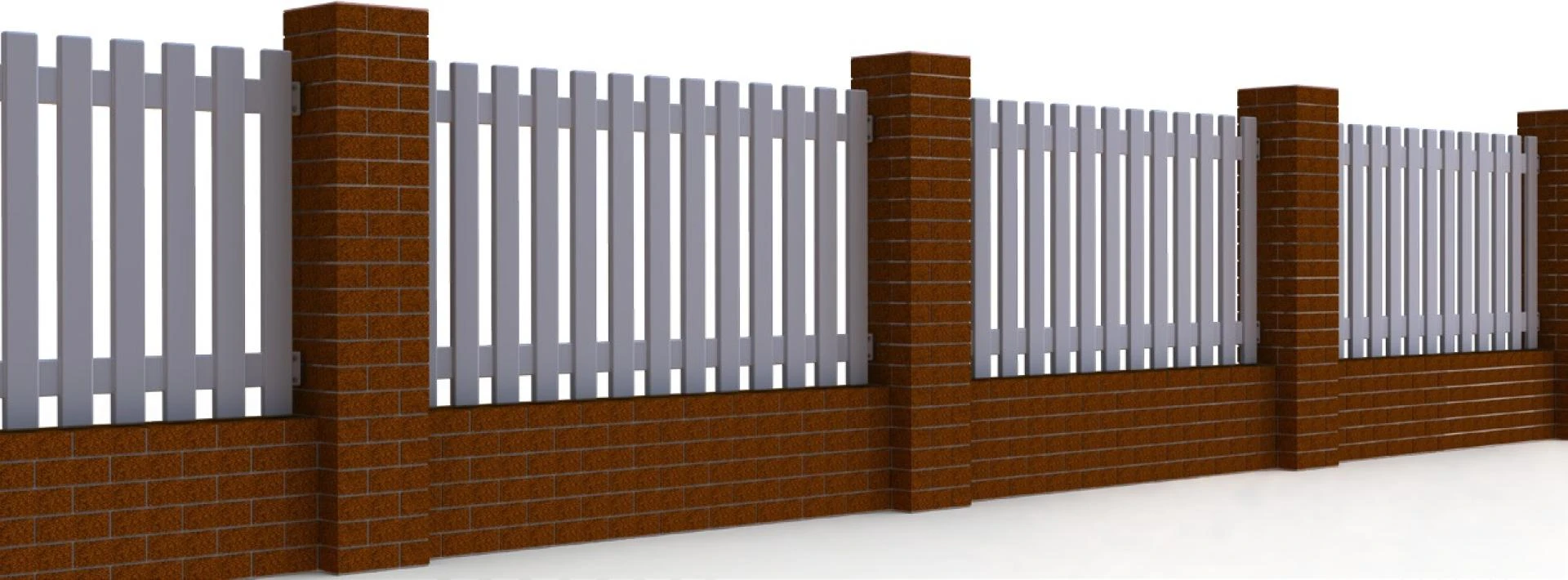

The white picket fence symbolises home ownership and property pride across Australian suburbs and rural holdings. Traditional timber picket fences deliver this aesthetic but demand ongoing maintenance that many property owners find increasingly burdensome. Plastic picket fences provide the classic appearance without the painting, sealing, and rot prevention that timber requires, making them an increasingly popular choice for residential and commercial properties.
Durability Benefits of Plastic Picket Fences
Timber picket fences look beautiful when freshly painted but deteriorate rapidly without constant care. Australian weather conditions accelerate timber degradation through UV exposure, moisture cycling, and temperature extremes. Within three years, most timber fences show peeling paint, warped pickets, and rot at ground level. By year five, replacement becomes necessary in many cases.
Plastic picket fences eliminate these problems entirely through modern polymer materials engineered for outdoor exposure. UV stabilisers prevent colour fading and material breakdown. Moisture cannot penetrate sealed polymer structures, preventing rot and fungal growth. Temperature changes cause minimal expansion and contraction compared to timber's significant movement that loosens fasteners and creates gaps.
Manufacturing processes create consistent picket dimensions and spacing that handmade timber fences rarely achieve. Factory-finished surfaces require no painting or sealing before installation. Pre-drilled holes and standardised components make installation straightforward for DIY property owners or professional contractors. This consistency extends to replacement pickets that match existing fence sections perfectly years later.
Installation and Maintenance Advantages
Traditional timber fencing requires skilled carpentry to achieve professional results. Cutting, levelling, spacing, and fastening individual pickets demands time and precision. Plastic picket fences simplify installation through pre-assembled panels or systematic component designs that ordinary property owners can install successfully. This labour saving translates directly into lower installation costs.
Maintenance differences become increasingly significant over time. Timber fences need inspection, cleaning, sanding, priming, and painting every two to three years. This process consumes weekends and costs hundreds in materials for modest fence lengths. Multiply this across fence lifespan and maintenance costs often exceed initial installation expenses.
Plastic alternatives require occasional hosing to remove accumulated dirt and dust. No painting, no rot treatment, no insect prevention. Time savings alone justify the investment for busy property owners who value weekends more than fence maintenance. Financial savings accumulate as avoided paint purchases and labour costs add up over decades.
Environmental and Safety Considerations
Modern plastic fencing materials incorporate recycled content whilst remaining fully recyclable at end of life. This circular approach reduces environmental impact compared to timber harvesting and chemical treatments. Manufacturing facilities increasingly use renewable energy, further improving environmental credentials.
Safety features matter particularly for properties with children and pets. Plastic fences don't splinter like timber, eliminating injury risks from rough surfaces. No chemical treatments mean no toxic exposure concerns. Smooth surfaces and rounded edges prevent the cuts and scratches that weathered timber creates. These safety advantages provide peace of mind that rough timber fencing cannot match.
Aesthetic Versatility Across Applications
Plastic picket fences suit various property styles and purposes. Traditional white pickets complement heritage homes and cottage gardens perfectly. Contemporary colours like grey and black provide modern alternatives for updated properties. Varying picket heights and spacing creates visual interest whilst maintaining the classic picket aesthetic.
Beyond residential applications, commercial properties use plastic picket fencing for landscaping, outdoor dining areas, and property delineation. Childcare centres appreciate the safety features and low maintenance. Rental properties benefit from durable fencing that survives tenant changes without repair expenses.
Making the Right Choice for Your Property
Choosing plastic picket fences requires considering immediate costs against long-term value. Initial installation expenses typically exceed timber fencing slightly. However, eliminated maintenance costs and extended lifespan make plastic alternatives financially superior over typical ownership periods. Most property owners keep homes longer than timber fence replacement cycles, making the plastic option more economical.
High-quality plastic fencing ensures that the classic Australian aesthetic remains intact without the associated labour of traditional materials.
By selecting durable polymer solutions, property owners secure a boundary that withstands harsh climates while retaining its visual appeal. This modern approach to fencing offers a permanent solution for those seeking to enhance property value without committing to endless upkeep.




















Sign in to leave a comment.