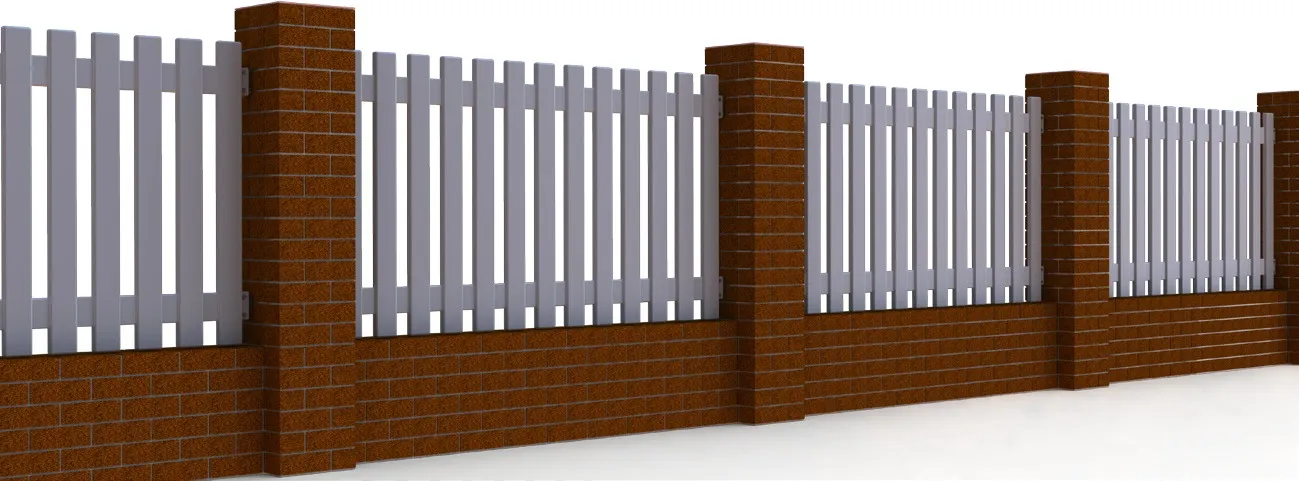

Maintaining a timber picket fence on an Australian property is a relentless task. Between painting, treating for rot, managing termite damage, and replacing cracked or warped posts, the time and cost involved in keeping a timber fence functional and presentable add up significantly over the years. Many property owners and farm managers across Australia are reaching a point where the traditional approach simply does not make financial or practical sense any more. This shift is especially visible in rural and coastal regions where environmental stress accelerates timber degradation.
Plastic picket fences have emerged as a genuinely strong alternative, not as a compromise, but as a product that addresses each of the core weaknesses of timber while delivering comparable structural performance. Made from light-density polyethylene, these fences are built for the specific demands of Australian conditions, including prolonged UV exposure, humidity, saltwater air in coastal areas, and the chemical exposure common in agricultural settings.
What Makes Plastic Picket Fences a Practical Choice
The most immediate advantage of plastic picket fencing is the elimination of maintenance. There is no painting schedule to manage. There is no rot to treat. Termites have no interest in polyethylene, and the material does not absorb moisture, which means warping and cracking are not concerns across changing seasons. Once installed, plastic picket fences simply hold their position and appearance without intervention.
Beyond the maintenance factor, the material itself performs well in conditions where timber struggles most. UV stabilisation means the colour remains consistent even after years of direct sun exposure, a genuine problem with painted timber, which fades, peels, and chalks over time in Australian summers. The resistance to saltwater makes plastic fencing particularly suitable for coastal properties and farms near marine environments where steel and timber both deteriorate faster. Its structural consistency reduces long term repair interventions significantly.
From a structural standpoint, plastic picket fencing is not fragile. It handles the incidental contact that comes with livestock, farm vehicles, and general property activity. It does not develop sharp edges when damaged, which is an important consideration on properties with livestock or children present. The posts and pickets connect securely, creating a stable fence line that does not need periodic realignment as the ground shifts through wet and dry seasons.
Installation, Applications, and Long-Term Value
Plastic picket fences are suited to a broad range of Australian property types. On residential properties, they provide a clean, consistent boundary that requires no annual upkeep. On hobby farms and rural lifestyle blocks, they work well for garden enclosures, pathway borders, and decorative boundary marking. On working farms, they are a practical option for areas where a visually clear, low-maintenance fence is needed without the structural demands of a livestock containment solution, particularly in high exposure environments.
Installation follows a straightforward process. The components are lighter than their timber equivalents, which reduces the physical effort involved in handling and positioning during installation. They do not need to be sealed, primed, or painted before going in the ground, and there is no curing period after installation. The fence is functional from day one. Additional adaptability in varying soil types and terrains also makes them suitable for uneven or challenging landscapes.
Cost Efficiency Over the Long Term
Over a ten to fifteen year period, the cost comparison between plastic picket fencing and timber becomes increasingly clear. Timber requires painting every two to three years, regular inspection for rot and termite activity, and periodic section replacement. Plastic requires none of that. The upfront cost of plastic picket fencing is an investment that is balanced out over time through the absence of recurring maintenance expenses, especially in remote areas where maintenance logistics are difficult and labour costs continue rising steadily each year across Australia significantly.



























Sign in to leave a comment.