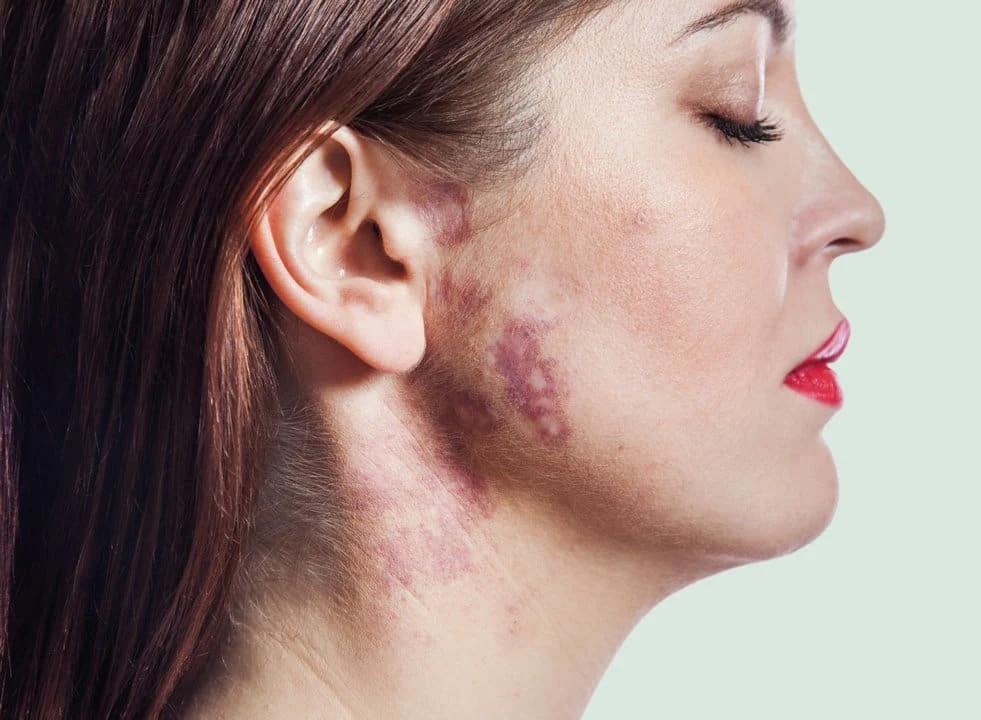

Birthmarks are a common phenomenon that can range from tiny, barely noticeable spots to larger, more prominent marks. While many people embrace their birthmarks as part of their unique identity, others may choose to remove them for aesthetic or personal reasons. Fortunately, advances in medical technology have made birthmark removal more accessible, effective, and minimally invasive. This article delves into the advanced techniques available for Birthmark Removal Dubai, their benefits, and what you can expect from the process.
Understanding Birthmark:
Birthmarks are skin irregularities that can appear at birth or develop shortly afterward. They fall into two primary categories:
- Vascular Birthmarks: These are caused by irregularities in blood vessels and include port-wine stains, hemangiomas, and salmon patches.
- Pigmented Birthmarks: These result from an overproduction of melanin and include moles, café-au-lait spots, and Mongolian spots.
While most birthmarks are harmless, some may require medical evaluation to rule out underlying health concerns.
When to Consider Birthmark Removal:
Deciding to remove a birthmark is a personal choice. People typically opt for removal due to:
- Aesthetic Concerns: Birthmarks in visible areas can affect self-esteem.
- Medical Reasons: Some birthmarks, such as large moles, may pose health risks.
- Functional Issues: Birthmarks near the eyes, mouth, or other sensitive areas may interfere with normal functioning.
A dermatologist or cosmetic surgeon can help assess whether removal is the right option for you.
Advanced Techniques for Birthmark Removal:
The choice of technique depends on the type, size, and location of the birthmark. Below are some of the most effective and widely used methods.
Laser Therapy:
Laser therapy is a popular, non-invasive option for removing vascular and pigmented birthmarks. High-intensity laser beams target the blood vessels or melanin in the birthmark, gradually breaking them down.
- Best for: Port-wine stains, hemangiomas, and café-au-lait spots.
- Procedure: Performed in multiple sessions depending on the size and depth of the birthmark.
- Benefits: Minimal downtime, precise targeting, and effective results.
Surgical Excision:
Surgical excision involves physically removing the birthmark, typically under local anesthesia.
- Best for: Moles and larger birthmarks that cannot be treated with lasers.
- Procedure: The birthmark is cut out, and the skin is stitched back together.
- Benefits: Immediate results and permanent removal.
Cryotherapy:
Cryotherapy uses extreme cold, often liquid nitrogen, to freeze and destroy pigmented cells in the birthmark.
- Best for: Small pigmented birthmarks.
- Procedure: A quick, in-office treatment with a handheld applicator.
- Benefits: Simple, quick, and effective for small marks.
Chemical Peels:
Chemical peels involve applying a solution that exfoliates the skin’s top layers, helping to reduce pigmentation over time.
- Best for: Superficial pigmented birthmarks.
- Procedure: Multiple sessions are needed for noticeable results.
- Benefits: Improves overall skin texture and tone.
Intense Pulsed Light (IPL) Therapy:
IPL therapy uses broad-spectrum light to target pigmented cells or blood vessels, breaking them down without damaging surrounding tissue.
- Best for: Superficial vascular and pigmented birthmarks.
- Procedure: Requires several sessions for optimal results.
- Benefits: Non-invasive with minimal discomfort.
Preparing for Birthmark Removal:
Before undergoing any procedure, a consultation with a qualified dermatologist or cosmetic surgeon is essential. Here’s what to expect:
- Medical Evaluation: The specialist will assess your birthmark to determine the most suitable treatment.
- Skin Preparation: You may be advised to avoid sun exposure or specific skincare products before the procedure.
- Discussing Expectations: Understand the number of sessions required, potential side effects, and realistic outcomes.
Post-Treatment Care:
After treatment, proper care is crucial to ensure optimal healing and results:
- Avoid Sun Exposure: Protect the treated area with sunscreen to prevent pigmentation.
- Follow Aftercare Instructions: Use prescribed creams or ointments as directed.
- Monitor Healing: Watch for signs of infection or complications and consult your doctor if needed.
Risks and Side Effects:
While advanced techniques are generally safe, potential side effects may include:
- Temporary redness or swelling.
- Mild discomfort during or after the procedure.
- Rarely, scarring or pigmentation changes.
Choosing a qualified specialist significantly minimizes these risks.
Choosing the Right Specialist:
The success of birthmark removal largely depends on the expertise of the professional performing the procedure. Look for:
- Credentials: Board-certified dermatologists or cosmetic surgeons.
- Experience: Specialists with a proven track record in birthmark removal.
- Patient Reviews: Testimonials or before-and-after photos from previous patients.
Conclusion:
Birthmark Removal in Dubai is a transformative option for those seeking to enhance their confidence or address medical concerns. With a variety of advanced techniques available, there’s a solution to suit every need. By consulting a qualified specialist, preparing adequately, and following post-treatment care, you can achieve safe and effective results.































Sign in to leave a comment.