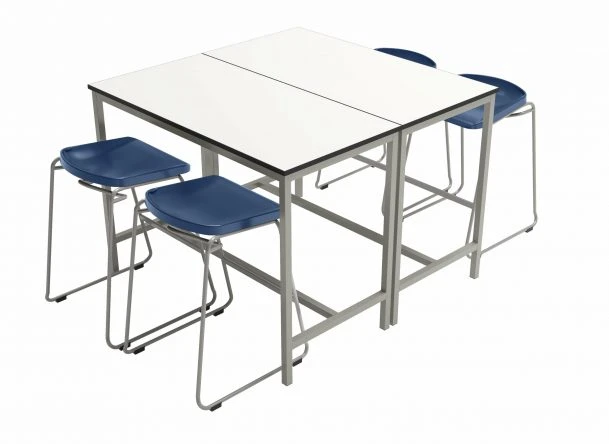

When we think of the cornerstones of our educational system, the focus often falls on teachers, curriculum, and technology. However, an indispensable yet often overlooked component is the humble school desk. It is the silent partner in the learning process, providing students with a dedicated space to learn, create, and grow. The school desk may seem like a simple piece of furniture, but its impact on education is profound and multifaceted.
A Foundation for Learning
The primary function of a school desk is to offer a stable and consistent workspace for students. This predictability is essential for effective learning. A well-designed desk supports good posture, which is crucial for concentration and comfort during long periods of study. Ergonomic designs that take into account the physical needs of students can prevent discomfort and health issues that might otherwise distract from learning.
Moreover, the desk is more than just a surface; it is a personal space where students can organize their materials and thoughts. This organization is key to effective learning, as it helps students keep track of their assignments, notes, and tools. By fostering an organized learning environment, desks contribute to better study habits and academic success.
A Symbol of Equality
In many ways, the school desk is a great equaliser. Regardless of a student’s background, each one has access to the same physical learning environment. This uniformity can help bridge gaps between students of different socioeconomic statuses. When everyone is seated at similar desks, it creates a sense of community and equality, reinforcing the idea that every student has an equal opportunity to succeed.
Adapting to Modern Needs
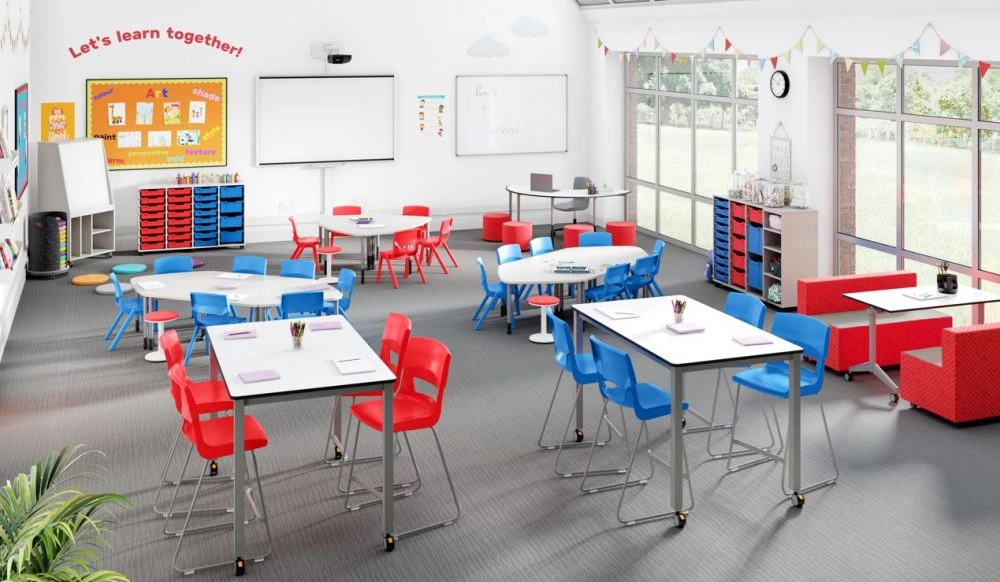
As educational paradigms shift, so too must the design and functionality of school desks. The traditional row and column setup is giving way to more flexible arrangements that support collaborative learning. Modern desks are often designed to be modular, allowing for quick reconfiguration to support group work, discussions, and various teaching styles. This adaptability helps educators create dynamic and engaging learning environments that cater to the needs of today's students.
Furthermore, with the integration of technology into the classroom, desks are evolving to include features like built-in charging stations and cable management systems. These enhancements ensure that students can seamlessly use laptops and tablets, making the desk a central hub for both traditional and digital learning tools.
Fostering Creativity and Independence
A student’s desk is a personal space where they can express their individuality. From doodles on notebooks to the way they arrange their supplies, the desk becomes a reflection of their personality and learning style. This personal connection can enhance a student’s engagement with their work, fostering a deeper connection to their educational journey.
Moreover, having a designated personal space encourages students to take responsibility for their belongings and their learning. This sense of ownership can lead to greater independence and self-discipline, qualities that are essential for lifelong learning.
Challenges and Considerations
Despite their importance, school desks are not without challenges. Ensuring that all students have access to high-quality desks requires investment and commitment from educational institutions. Desks need to be durable enough to withstand daily use yet comfortable enough to support long hours of study.
Environmental considerations also come into play. Sustainable materials and environmentally friendly manufacturing processes should be prioritised to reduce the ecological footprint of producing school desks.
Summing up, the school desk is an unsung hero of the educational system, providing a foundation for learning, a symbol of equality, and a space for personal growth. With education continuing to evolve, so too must the humble desk, adapting to new teaching methods and technological advancements.



























Sign in to leave a comment.