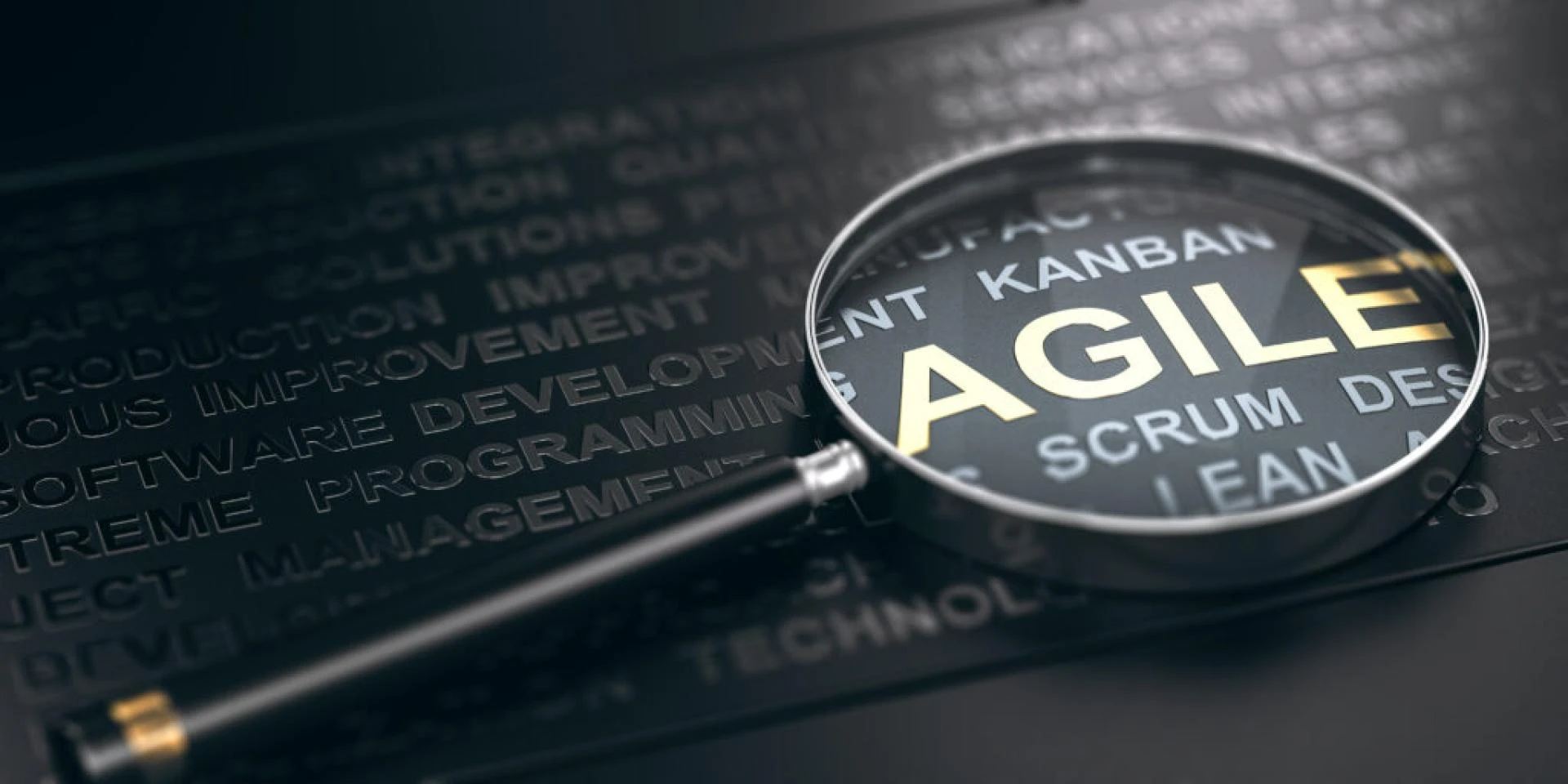

In the fast-paced world of project management, traditional methodologies often struggle to keep up with the dynamic nature of today\'s projects. Enter SCRUM, a revolutionary framework that has transformed the way teams approach project management in the Agile era. In this blog, we\'ll delve into the SCRUM framework, exploring its principles, methodologies, and impact on Agile project management.
Understanding the SCRUM Framework
At its core, SCRUM is an Agile framework that emphasizes collaboration, flexibility, and iterative development. It enables teams to adapt to changing requirements and deliver value to stakeholders quickly and efficiently. The SCRUM framework consists of several key components, including:
- SCRUM Roles: The framework defines three primary roles: the Product Owner, SCRUM Master, and Development Team. Each role has distinct responsibilities, ensuring clarity and accountability within the team.
- SCRUM Events: SCRUM prescribes specific events, such as Sprint Planning, Daily Standups, Sprint Reviews, and Sprint Retrospectives, to facilitate communication, feedback, and continuous improvement throughout the project lifecycle.
- SCRUM Artifacts: Key artifacts, such as the Product Backlog, Sprint Backlog, and Increment, serve as transparent representations of project progress and priorities, enabling effective decision-making and alignment.
Advantages of SCRUM Framework
The SCRUM framework offers several advantages over traditional project management methodologies:
- Flexibility: SCRUM allows teams to adapt to changing requirements and priorities quickly, ensuring that the project remains aligned with stakeholder needs and market dynamics.
- Transparency: Through its emphasis on visibility and accountability, SCRUM promotes transparency within the team and stakeholders, fostering trust and collaboration.
- Iterative Development: SCRUM\'s iterative approach enables teams to deliver incremental value to stakeholders, gather feedback, and make course corrections early in the project lifecycle.
Implementing SCRUM in Project Management
To successfully implement SCRUM in project management, organizations must embrace Agile principles and undergo a cultural shift towards collaboration, transparency, and continuous improvement. Key steps in adopting SCRUM include:
- Training and Education: Providing team members with comprehensive training in SCRUM principles, methodologies, and best practices is essential for successful implementation.
- Empowering Teams: Empowering SCRUM teams to self-organize, make decisions, and take ownership of project deliverables fosters a culture of autonomy and accountability.
- Continuous Improvement: Embracing the principle of Kaizen, SCRUM teams should continuously reflect on their processes, identify areas for improvement, and implement changes to enhance efficiency and effectiveness.
Online PhD in Project Management
For professionals seeking to deepen their knowledge and expertise in project management, pursuing an online PhD in project management can provide the necessary skills and credentials to excel in the field. Accredited programs offer a comprehensive curriculum covering topics such as program portfolio management, leadership, risk management, and strategic planning.
Program Portfolio Management
Program portfolio management is a critical aspect of project management, focusing on the strategic alignment, prioritization, and oversight of project portfolios within an organization.
Conclusion
In conclusion, the SCRUM framework has revolutionized Agile project management, offering teams a flexible, transparent, and iterative approach to delivering value to stakeholders. By embracing SCRUM principles and methodologies, organizations can enhance collaboration, adaptability, and ultimately, project success in today\'s dynamic business environment. With the right education and training, professionals can leverage SCRUM to drive innovation, efficiency, and growth in their project management endeavors.


























Sign in to leave a comment.