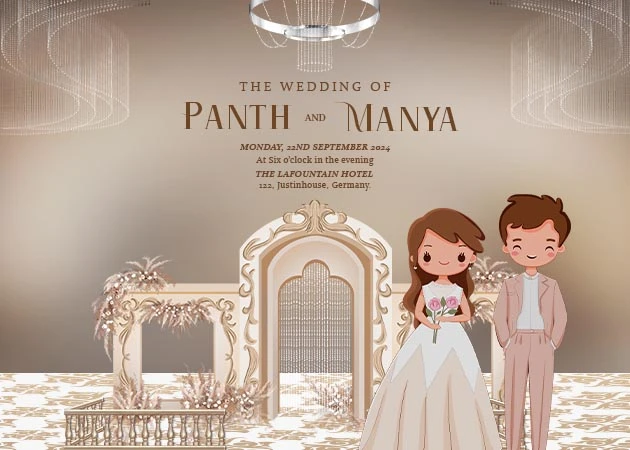

Introduction:
Invitations are not mere pieces of paper; they are the first glimpse your guests have into the event you're hosting. The art of invitation card designing goes beyond aesthetics; it's about creating an experience, setting the tone, and leaving a lasting impression. In this extensive guide, we will delve into the intricate world of invitation card designing, exploring techniques, trends, and tips to help you craft invitations that speak volumes.
The Importance of Invitation Card Designing:
Invitation cards are more than just a formality; they serve as the initial point of contact between hosts and guests. A well-designed invitation not only conveys essential details but also reflects the event's theme and the host's personality. It sets the stage for what guests can expect and generates anticipation. The significance of invitation card designing lies in its power to create a lasting memory before the event even takes place.
Key Elements of Invitation Card Designing:
Color Palette and Typography:
Creating a harmonious color palette and choosing the right typography are crucial in invitation card designing. Whether it's a wedding, birthday, or corporate event, colors evoke emotions and set the overall mood. Similarly, typography adds a touch of elegance or playfulness, depending on the event.Graphics and Imagery:
Incorporating relevant graphics and imagery can elevate the visual appeal of your invitation. Custom illustrations or images that align with the event's theme make the card more personal and memorable.Paper Quality and Texture:
The tactile experience of holding an invitation adds a sensory dimension to the design. The choice of paper quality and texture can convey a sense of luxury, formality, or casualness, enhancing the overall impression.Layout and Structure:
The arrangement of information on the card is as important as the design itself. A well-thought-out layout ensures that crucial details are easily accessible and doesn't overwhelm the recipient.Personalization:
Tailoring the design to reflect the host's style and the event's uniqueness adds a personal touch. Whether it's incorporating a monogram, a family crest, or a special quote, personalization makes the invitation more meaningful.Invitation Card Designing Techniques:
Minimalist Elegance:
In a world filled with visual noise, a minimalist approach can make your invitation stand out. Clean lines, ample white space, and a focus on essential details create an elegant and sophisticated look.
Vintage Vibes:
Embracing a vintage aesthetic can add a nostalgic charm to your invitation. Think classic fonts, sepia tones, and subtle patterns that transport recipients to another era.Illustrative Storytelling:
Tell a story through illustrations that capture the essence of the event. This technique not only adds a unique flair but also engages the recipient's imagination.Modern and Bold:
For contemporary events, bold and modern designs can make a strong statement. Experiment with vibrant colors, unconventional shapes, and innovative layouts to create a visually striking invitation.Conclusion:
Crafting an invitation goes beyond choosing colors and fonts; it's an art form that involves sculpting impressions. The meticulous process of invitation card designing is an investment in creating anticipation, excitement, and a sense of exclusivity for your event. By focusing on key elements, incorporating personalized touches, and experimenting with various techniques, you can ensure that your invitation doesn't just convey information but leaves a lasting imprint on your guests' minds.
In the world of invitation card designing, every detail matters. From the choice of paper to the arrangement of graphics, each element contributes to the overall impact. As you embark on your journey to create memorable invitations, remember that the art lies not just in the design but in the emotions and experiences your invitation evokes.


























Sign in to leave a comment.