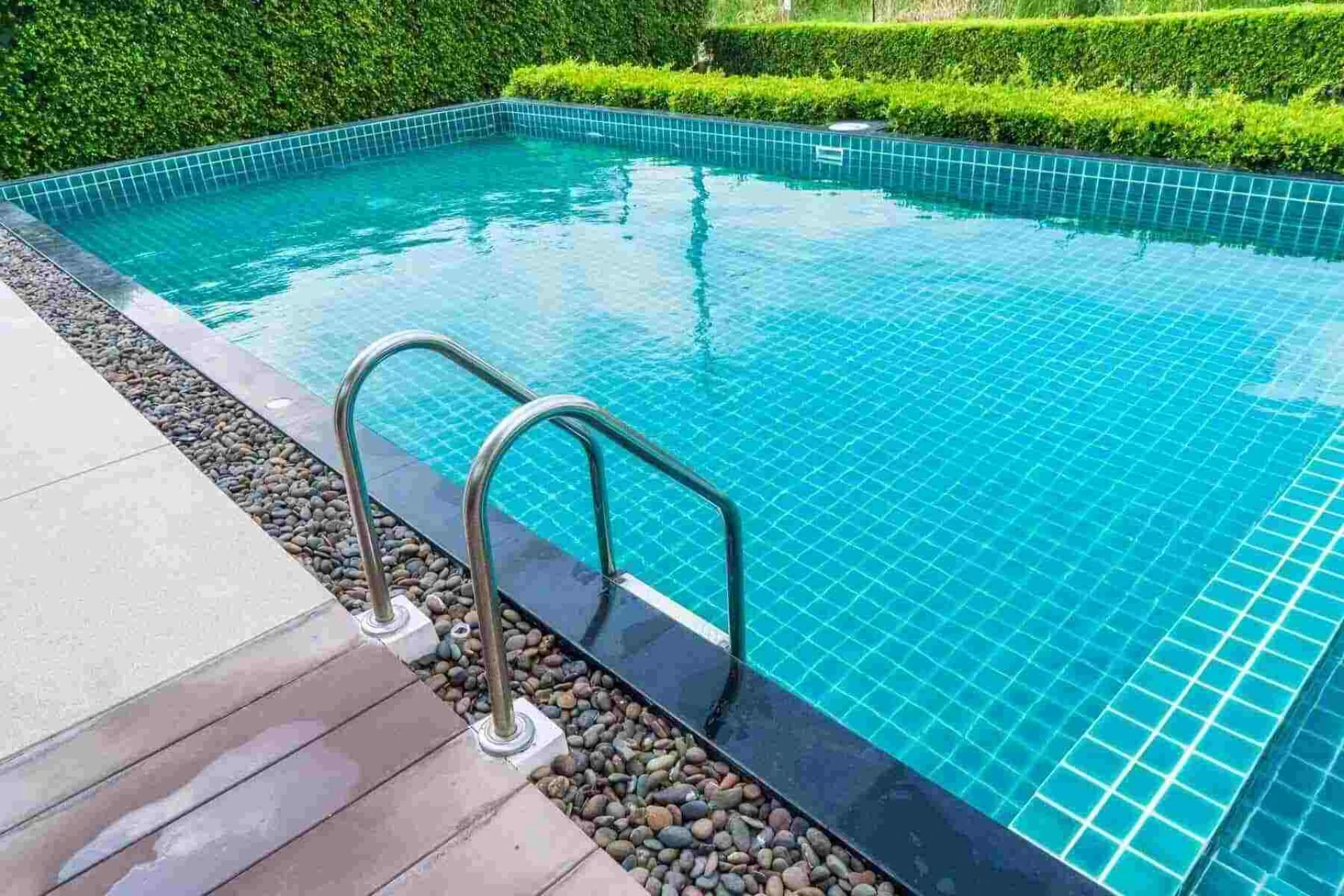

When it comes to maintaining the beauty and durability of your gunite pool, you'll inevitably encounter the question of whether to seal or resurface it. Both options have their merits, but making the right choice depends on various factors. In this comprehensive guide, we'll delve into the world of pool maintenance, explore the key differences between sealing and resurfacing, and equip you with the knowledge needed to make an informed decision. Whether you're a seasoned pool owner or a first-time buyer, this article will help you ensure your gunite pool remains a source of joy for years to come. We will cover how to waterproof gunite pool.
Understanding the Basics
Before we dive into the specifics of sealing and resurfacing, let's establish a solid foundation by understanding what gunite pools are and why they require maintenance.
What is a Gunite Pool?
A gunite pool is a type of in-ground swimming pool constructed using a mixture of cement, sand, and water. The mixture is pneumatically sprayed onto a framework of steel bars, creating a highly durable and versatile pool structure. Gunite pools are known for their strength and flexibility, making them a popular choice among homeowners.
However, like all structures, gunite pools are not immune to wear and tear. Over time, exposure to water, chemicals, and weather elements can lead to various forms of damage, including cracks, leaks, and surface deterioration.
The Importance of Maintenance
Proactive maintenance is essential to preserve the integrity and aesthetic appeal of your gunite pool. Neglecting maintenance can lead to costly repairs down the road. Now, let's explore the two primary approaches to pool maintenance: sealing and resurfacing.
Sealing Your Gunite Pool
Sealing is a preventive measure that involves applying a protective layer or coating to the existing pool surface. This process helps to maintain the pool's structural integrity and prevents water penetration.
The Benefits of Sealing
Waterproofing: One of the key advantages of sealing your gunite pool is enhanced waterproofing. By creating a barrier against moisture, you can significantly reduce the risk of leaks and cracks, ultimately prolonging the life of your pool.
Chemical Resistance: Sealing products often contain chemicals that resist the corrosive effects of pool chemicals, such as chlorine. This helps preserve the pool's surface and prevents it from deteriorating over time.
Stain Prevention: Sealing can also act as a protective shield against unsightly stains caused by leaves, dirt, or other contaminants. This makes pool maintenance and cleaning more manageable.
How to Waterproof Your Gunite Pool
Waterproofing your gunite pool is a crucial step in the sealing process. To do this effectively, follow these steps:
Prepare the Surface: Begin by cleaning the pool surface thoroughly. Remove any debris, algae, or scale buildup. A pressure washer can be handy for this task.
Repair Cracks and Damage: Inspect the pool for cracks or damage. Repair any issues with the appropriate materials. This step is vital to ensure a smooth and even surface for the waterproofing.
Choose the Right Sealant: Select a high-quality pool sealant that is compatible with gunite surfaces. Consult with a pool professional if you're unsure about the best product for your pool.
Apply the Sealant: Follow the manufacturer's instructions for applying the sealant. Typically, this involves using a roller or sprayer to evenly coat the pool's interior. Be sure to apply the sealant in thin, consistent layers.
Allow for Drying Time: Give the sealant ample time to dry and cure. This can take several days, depending on the product and environmental conditions. Avoid filling the pool until the sealant is completely dry.
Regular Maintenance: After sealing, maintain the pool by cleaning it regularly and monitoring the sealant's condition. Reapply the sealant as needed to ensure continued protection.
Resurfacing Your Gunite Pool
Resurfacing, on the other hand, involves completely removing the existing pool surface and replacing it with a new layer of finish material. This process is more extensive than sealing and is typically reserved for pools with significant damage or those in need of a visual makeover.
The Benefits of Resurfacing
Comprehensive Repair: Resurfacing offers a more thorough solution to pool issues, including addressing structural problems and aesthetic concerns. It's the ideal choice if your pool has extensive damage.
Fresh Look: Resurfacing gives your pool a brand-new appearance. You can choose from a variety of finish materials, including plaster, pebble, or tile, to achieve the desired look.
Long-Term Solution: When done correctly, pool resurfacing can extend the life of your pool by several years, making it a cost-effective option in the long run.
When to Consider Resurfacing
Resurfacing your gunite pool is a significant undertaking, both in terms of cost and time. Consider resurfacing when:
Your pool has multiple cracks or significant structural damage.The pool surface is rough and uncomfortable to walk on.You want to update the pool's appearance with a fresh finish.Making the Right Choice
Choosing between sealing and resurfacing ultimately depends on the condition of your gunite pool and your long-term goals. Here are some factors to consider:
Sealing
Ideal for preventive maintenance and minor surface issues.Cost-effective compared to resurfacing.Extends the life of your pool and provides protection against water and chemicals.Suitable for pools with minimal wear and tear.Resurfacing
Best for addressing extensive damage or changing the pool's appearance.Requires a larger budget and more time.Provides a complete overhaul and can add several years to your pool's lifespan.Recommended for pools with severe cracks, leaks, or structural issues.Conclusion
In the debate of sealing vs. resurfacing your gunite pool, there is no one-size-fits-all answer. Each option has its place in pool maintenance, and your choice should align with your pool's specific needs and your long-term plans.
Remember, regardless of the route you choose, regular maintenance is key to preserving the beauty and functionality of your gunite pool. By taking proactive steps to protect and repair your pool, you can ensure years of enjoyable swimming and relaxation. Whether you opt for sealing or resurfacing, the goal remains the same: a beautiful and watertight gunite pool that stands the test of time.

























Sign in to leave a comment.