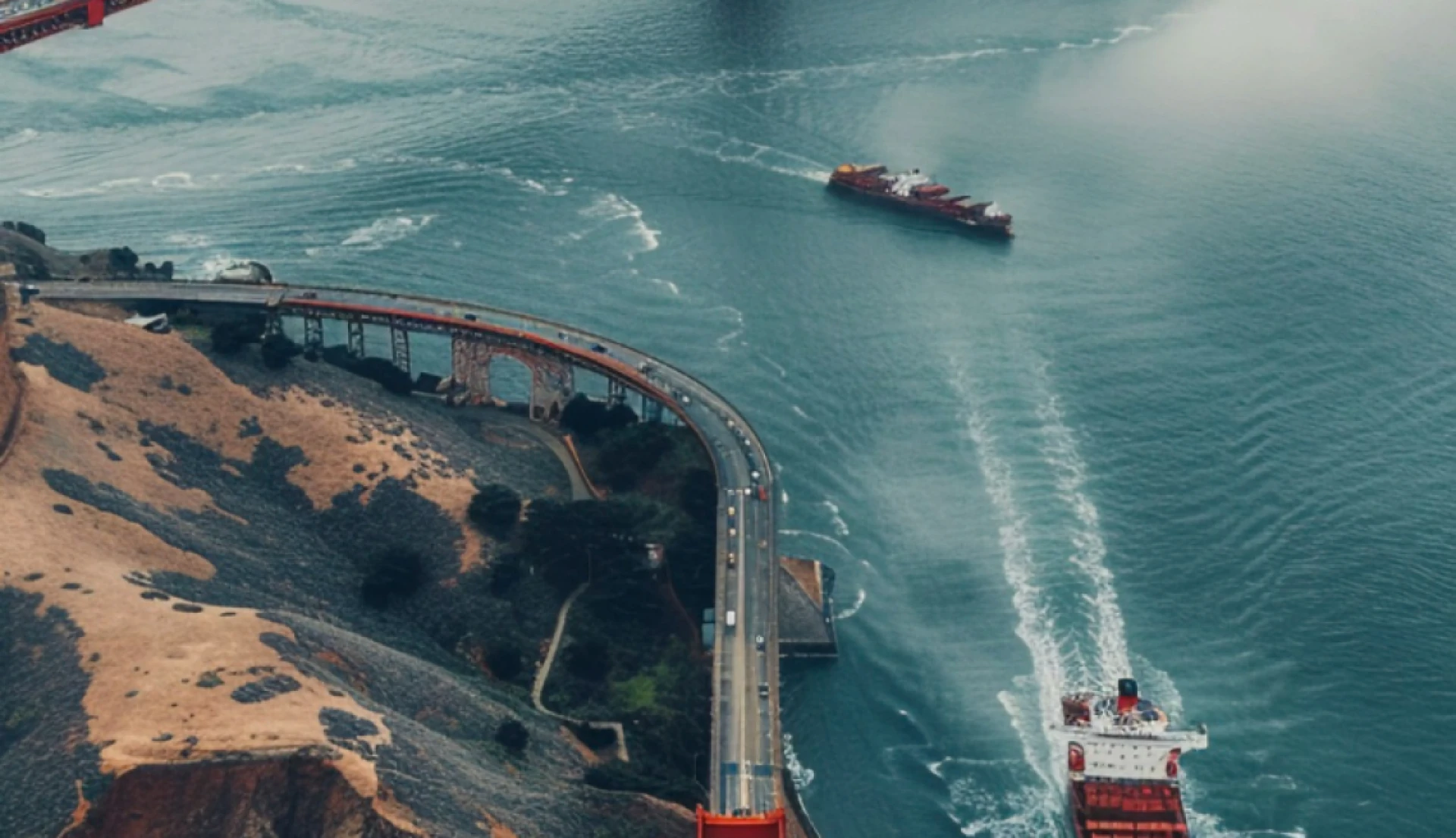
The Pacific Ocean stretches wide, deep, and endlessly blue—yet thousands of vehicles cross it every year. For families relocating, military personnel transferring bases, collectors acquiring rare cars, or businesses moving fleet vehicles, vehicle shipment from and to Hawaii has become a trusted and necessary service. While the process may appear intimidating at first glance, the journey becomes far more manageable when broken down with clarity and expertise.
The Distinct Nature of Shipping Vehicles Across the Pacific
Transporting a car over land is routine. Transporting a car across one of the world’s largest oceans is a different experience altogether.
Vehicle shipment from and to Hawaii requires a combination of maritime scheduling, secure loading procedures, and strict compliance with port regulations.
Two primary methods dominate:
- Roll-On/Roll-Off (RoRo): Cars are driven onto a specialized vessel, positioned in designated lanes, and secured using industrial-grade restraints.
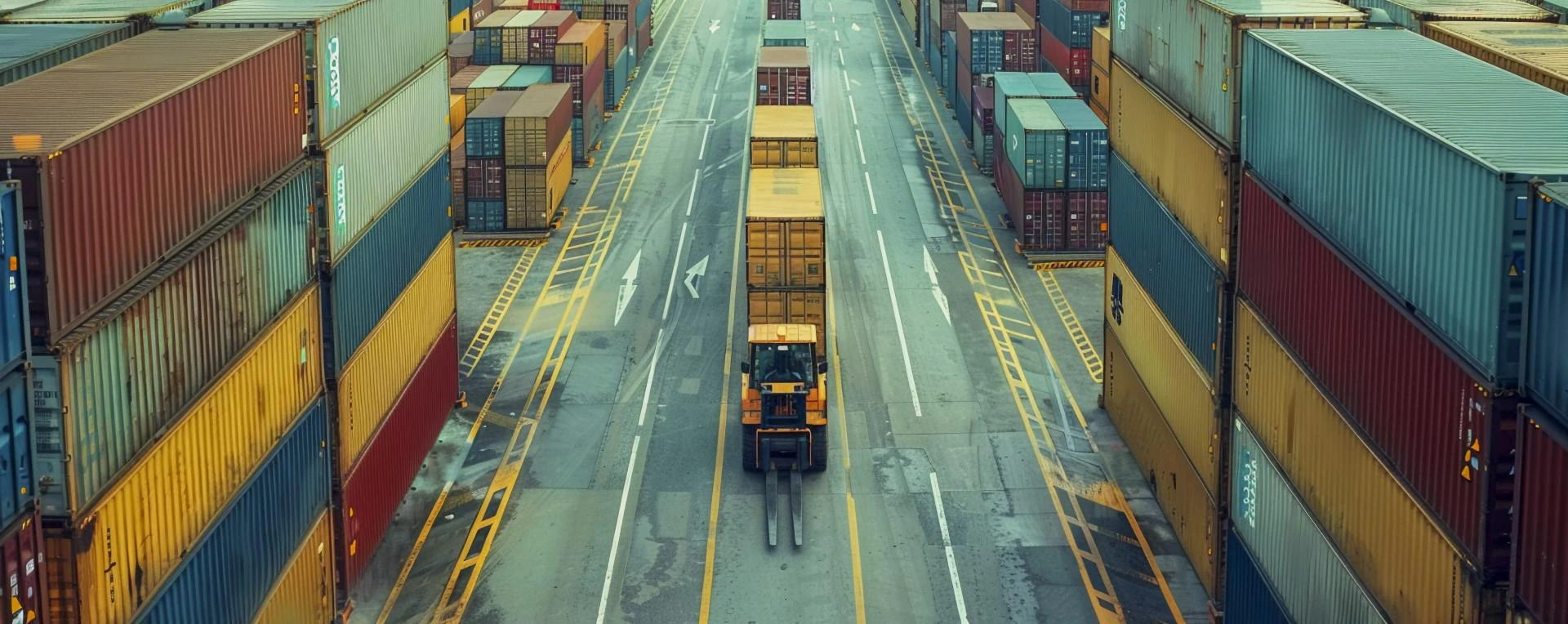
- Container Shipping: Vehicles are loaded into a sealed container, offering enhanced shielding against saltwater, humidity, and unpredictable weather.
While RoRo is cost-efficient and ideal for everyday vehicles, container shipping delivers premium-grade protection—often preferred for antique, luxury, or exotic automobiles.
Mainland Departure Ports: The Beginning of the Journey
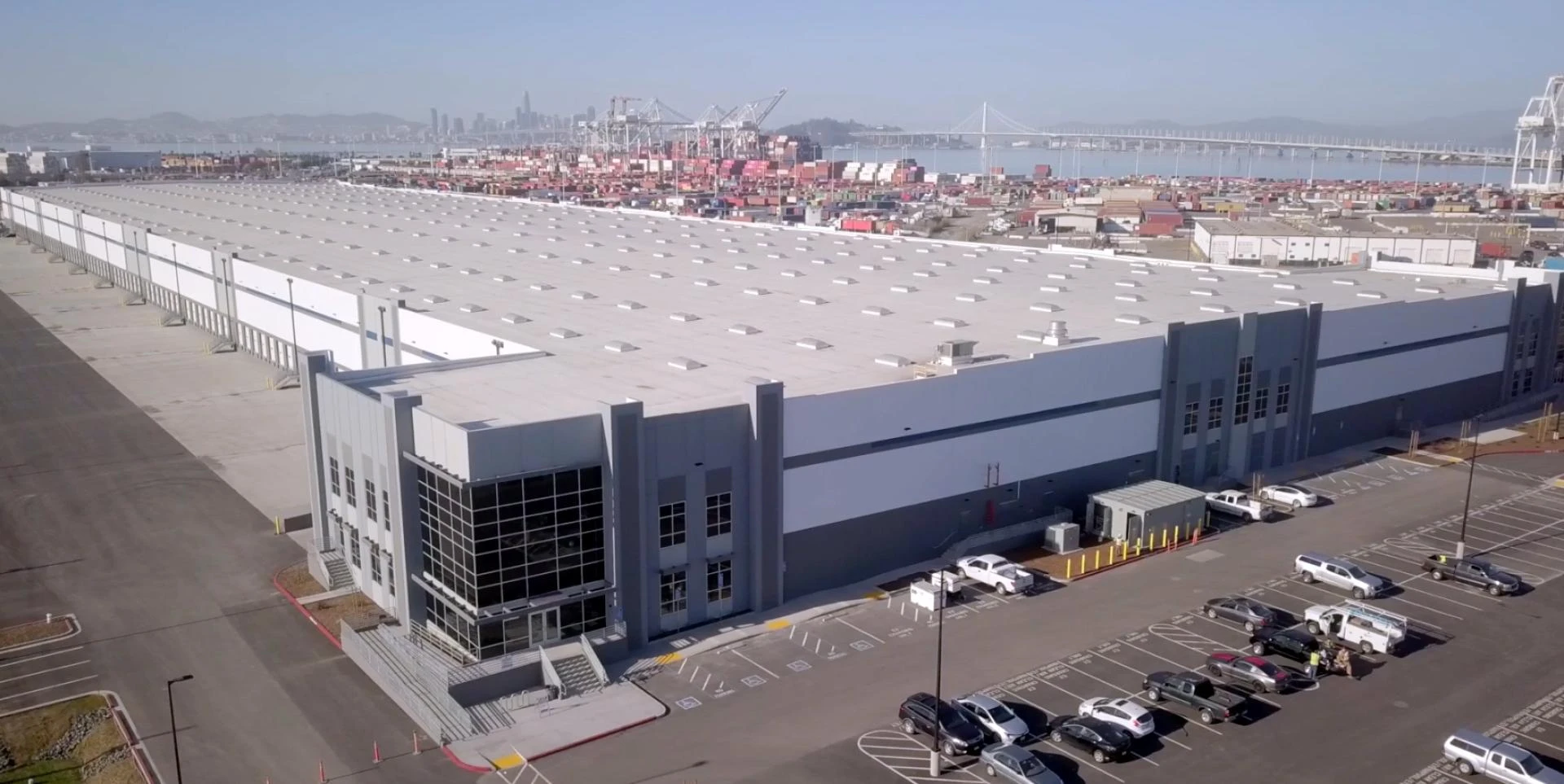
Every vehicle shipped to or from Hawaii starts its journey at a mainland port. The most active gateways include:
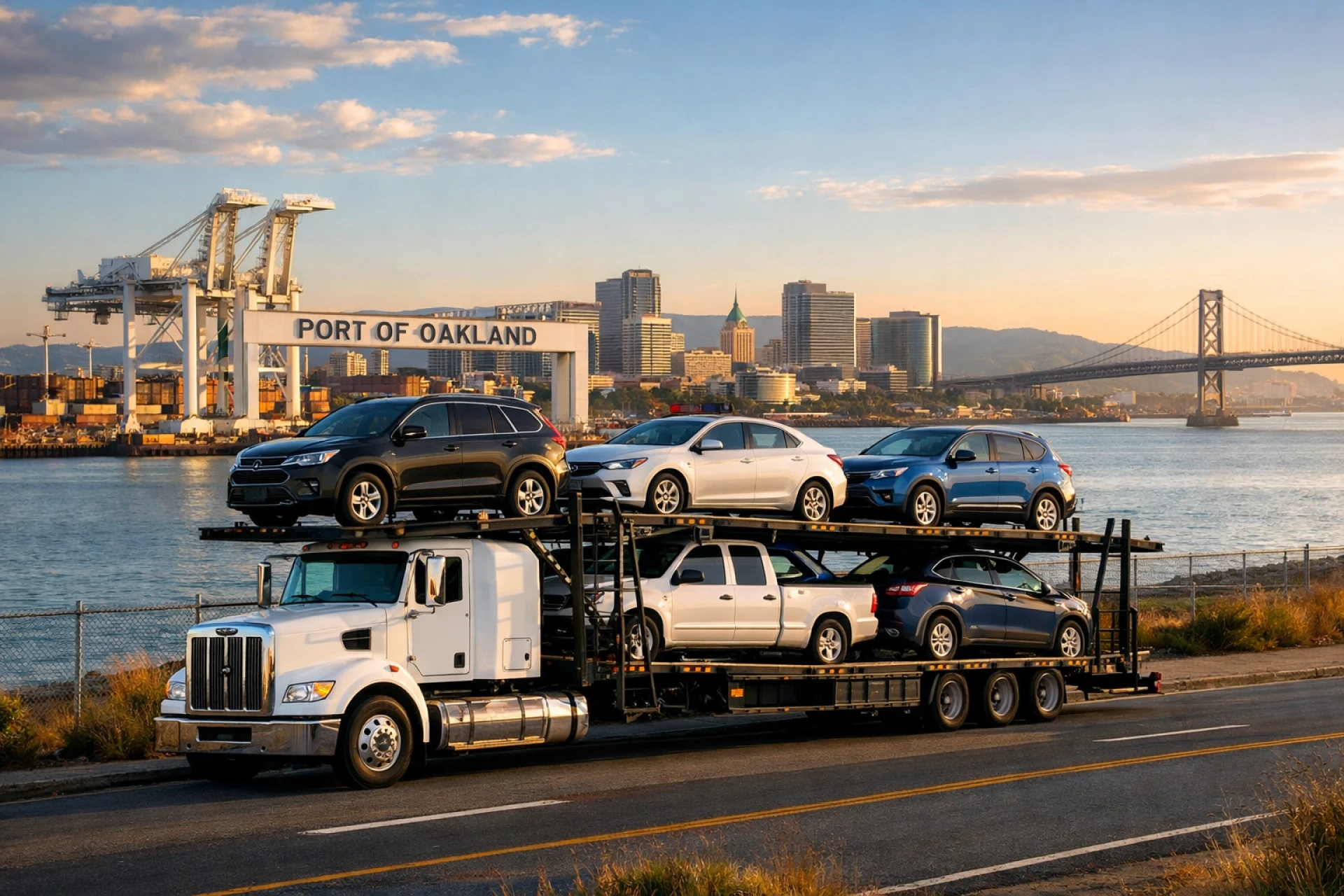
- Oakland, CA
- Long Beach, CA
- Tacoma, WA
- San Diego, CA
Each port varies in vessel frequency, processing times, and congestion levels.
For example, Oakland and Long Beach often offer the quickest turnarounds due to high traffic and heavily optimized operations. On the other hand, Tacoma is perfect for shippers coming from the Pacific Northwest.
Choosing the right gateway directly influences the ease and efficiency of vehicle shipment from and to Hawaii, particularly when coordinating inland transport from your home or dealership to the port.
Arrival Ports Across the Hawaiian Islands
On the Hawaiian side, vehicle shipments typically arrive at:
- Honolulu — Oahu’s main commercial hub
- Nawiliwili — Kauai
- Kahului — Maui
- Hilo or Kawaihae — Big Island
Honolulu is the nerve center of Hawaii’s marine operations. From there, vehicles destined for neighbor islands may require an additional inter-island transfer. This layered process explains why vehicle shipment from and to Hawaii requires accurate timing and coordination across multiple carriers.
Preparing Your Vehicle for an Overseas Voyage
One of the most important—yet often overlooked—parts of the process is preparation. A properly readied vehicle moves through inspection and loading far more smoothly.
Preparation typically includes:
- Cleaning the car for inspection
- Ensuring no personal belongings remain inside
- Lowering the fuel level to under one-quarter
- Removing toll tags to avoid accidental charges
- Photographing the vehicle’s current condition
- Providing valid registration and identification
These small steps produce major peace of mind. A clean, well-documented vehicle helps prevent disputes, delays, and last-minute compliance issues.
Timing, Scheduling, and Realistic Expectations
Ocean vessels operate like clockwork—though nature sometimes interferes.
Transit times from the West Coast to Hawaii usually fall between 7 and 14 days, depending on the specific port pair. However, the complete journey takes longer when accounting for inland pickup, port deadlines, processing windows, and local delivery on the islands.
Customers planning vehicle shipment from and to Hawaii should book early, especially during peak seasons, military relocation periods, and holiday demand surges. Early scheduling ensures better sailing dates and avoids costly rush fees.
What Influences the Overall Cost?
Several factors shape the final pricing of vehicle shipment from and to Hawaii, including:
- Shipping method (RoRo vs. container)
- Vehicle size, height, and weight
- Port selection
- Island destination
- Fuel surcharges
- Optional services such as door pickup or expedited handling
Larger vehicles—like lifted trucks or oversized SUVs—may incur additional fees due to the limited vertical clearance inside RoRo docks and containers. Meanwhile, high-end vehicles may benefit from enclosed container protection despite higher costs.
Insurance Matters When Crossing an Ocean
Although carriers maintain strong safety standards, ocean voyages introduce unavoidable environmental variables. Marine insurance is strongly recommended. It safeguards your investment and provides financial assurance throughout the maritime journey.
For rare, vintage, or custom vehicles, enhanced insurance coverage offers priceless protection during vehicle shipment from and to Hawaii.
The Value of Professional Guidance
Transporting a vehicle across thousands of miles requires attention to detail—documents, port appointments, booking confirmations, customs checks, and more. Without an experienced partner, the process can become overwhelming.
Professional logistics providers streamline the experience by:
- Managing paperwork
- Scheduling vessel departures
- Coordinating inland pickup
- Ensuring port compliance
- Tracking the shipment
- Facilitating seamless island delivery
This is where expertise becomes invaluable. A seasoned shipping partner transforms what seems complicated into a straightforward, predictable process.
A Smooth Passage Across the Pacific
At first glance, shipping a vehicle across the Pacific may appear monumental. Yet, with the right preparation and trustworthy logistics support, the process becomes smooth, structured, and surprisingly efficient. From mainland departure to island arrival, vehicle shipment from and to Hawaii blends precision, maritime coordination, and modern logistics to deliver your car safely across one of the world’s most remarkable stretches of ocean.

























Sign in to leave a comment.