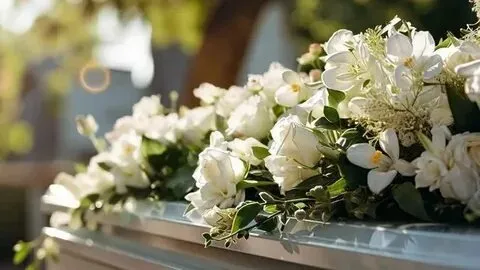

Seasonality can influence the flowers available for a funeral or memorial arrangement, even though modern flower distribution makes many popular varieties accessible throughout much of the year. Choosing flowers that are naturally abundant during a particular season can provide fresher options, different textures, distinctive colours, and meaningful connections to the time of year. Seasonal flowers may also remind family members of gardens, holidays, anniversaries, landscapes, or personal traditions associated with the deceased. Understanding availability can therefore help people make informed choices when researching bereavement flowers.
Why Flower Seasonality Still Matters
Commercial floriculture has made roses, lilies, carnations, chrysanthemums, orchids, and other popular flowers widely available beyond their traditional growing seasons.
That does not mean every flower is consistently obtainable.
Weather, growing regions, crop conditions, shipping schedules, holidays, and market demand can all affect availability.
A specific peony variety, garden rose, lilac, dahlia, or locally grown flower may only be obtainable for a limited period.
When an exact flower is important, additional lead time can help. When timing is short, allowing thoughtful substitutions generally produces a better arrangement than insisting on unavailable varieties.
Spring Funeral Flowers
Spring is associated with renewal and produces many flowers with soft colours and delicate forms.
Tulips are a familiar spring choice and can create simple, graceful memorial arrangements. White, pink, purple, yellow, and other shades allow different emotional tones.
Daffodils have a brighter character and may be appropriate for celebrations of life, especially when they were personally meaningful.
Hyacinths add texture and fragrance but have a strong scent that should be considered for enclosed spaces.
Peonies appear later in spring in many growing regions. Their layered blooms can create romantic and garden-inspired arrangements.
Lilacs may also provide a strong seasonal connection, particularly for someone who enjoyed spring gardens.
Summer Funeral Flowers
Summer offers a broad range of garden flowers.
Hydrangeas are useful because their large flower heads create volume and softness. They appear in white, green, blue, pink, purple, and related shades.
Sunflowers can be appropriate for memorials honouring someone known for warmth, optimism, gardening, farming, or an appreciation of bright colours.
Delphiniums add vertical structure and may introduce shades of blue.
Garden roses, lisianthus, snapdragons, daisies, zinnias, and many locally grown flowers may also be available.
Summer arrangements can range from traditional white-and-green designs to vibrant garden-inspired tributes.
Autumn Funeral Flowers
Autumn naturally introduces deeper and warmer colours.
Chrysanthemums are particularly associated with this season and are available in numerous forms and colours. Their symbolic relationship with remembrance in many cultures makes them especially relevant to memorial designs.
Dahlias can create striking focal points where seasonally available. Their wide variety of shapes and colours makes them suitable for both subdued and colourful arrangements.
Roses, berries, textured greenery, branches, and foliage can create rich autumn compositions.
Rust, burgundy, plum, gold, cream, bronze, and muted orange may suit a person who loved autumn landscapes.
Seasonal foliage can also add meaning when a family wants the arrangement to feel connected to nature.
Winter Funeral Flowers
Winter funeral arrangements frequently rely on flowers available through greenhouse cultivation and international supply chains.
Roses, lilies, carnations, chrysanthemums, orchids, and hydrangeas remain common options.
Evergreen foliage may provide seasonal texture and can be particularly meaningful near the winter holidays.
Amaryllis and certain bulb flowers may occasionally be incorporated when available.
White-and-green arrangements work naturally in winter, but deeper red, burgundy, plum, or jewel-toned flowers can create warmth.
A winter memorial does not need to follow holiday colours unless that connection is personally appropriate.
The Value of Seasonal Substitutions
A photograph of a floral arrangement should generally be viewed as a design reference rather than a guarantee that every stem will always be available.
A skilled substitution aims to preserve the overall character of the arrangement by considering colour, shape, texture, scale, and visual importance.
For example, if one white focal flower is unavailable, another white bloom with similar visual weight may maintain the intended appearance.
Flexibility is especially useful when flowers must be prepared quickly for a funeral.
Rather than focusing entirely on individual varieties, consider the desired impression: peaceful, traditional, colourful, garden-inspired, elegant, understated, or highly personal.
Durability Matters
Funeral flowers may need to remain presentable for multiple events, such as visitation one evening followed by a service the next day.
Certain flowers naturally tolerate handling and display conditions better than others.
Carnations and chrysanthemums are valued partly for their durability. Roses can also perform well when properly conditioned. Tropical flowers and orchids may offer good longevity depending on the variety.
Very delicate garden flowers can be beautiful but may respond more quickly to heat, cold, dehydration, or transportation.
The venue and schedule therefore matter when choosing seasonal varieties.
Temperature and Transport
Weather affects floral arrangements after they leave the florist.
Extreme summer heat can accelerate dehydration, while freezing winter temperatures can damage delicate flowers within minutes if they are exposed.
Funeral home deliveries normally reduce these risks because arrangements can be transported directly indoors.
Graveside services introduce additional environmental factors, including wind, sunlight, rain, and temperature.
Outdoor arrangements should therefore be selected and positioned with local conditions in mind.
Connecting Flowers to Personal Memories
Seasonal flowers can be particularly powerful when they evoke recurring memories.
Perhaps lilacs bloomed every year around someone's birthday. Maybe a person grew dahlias each summer, planted tulips every autumn, or filled a garden with hydrangeas.
These associations can make a memorial arrangement feel specific rather than generic.
Flowers from a family garden may occasionally be incorporated with advance coordination, although condition, stem length, timing, and design requirements can affect whether this is practical.
Even when personal flowers cannot physically be used, their colours and style can inspire the arrangement.
Seasonal Colours Without Seasonal Flowers
A seasonal look does not require using only flowers naturally grown during that period.
An autumn palette can be created with year-round roses, carnations, chrysanthemums, and foliage.
A spring-inspired design may use pastel colours even if particular spring flowers are unavailable.
Winter arrangements can use white blooms and evergreen textures, while summer designs may emphasize bright colours and airy greenery.
This approach gives families more flexibility while preserving the emotional connection to a season.
Considering Fragrance
Seasonal flowers differ substantially in scent.
Lilies, hyacinths, lilacs, stock, and certain roses may produce noticeable fragrance.
Some people find floral scent comforting, while others may experience headaches, allergies, or sensory sensitivity.
For large venues, fragrance may be less noticeable. In small rooms, strongly scented flowers can become dominant.
When scent is a concern, varieties with little or no fragrance can still create a beautiful arrangement.
Availability and Budget
Seasonality can influence price, but the relationship is not always simple.
Flowers grown locally during their natural season may sometimes be easier to obtain, while specialty varieties may remain expensive because of limited production.
Holiday demand can affect the market for certain flowers and colours.
Transportation, flower grade, stem length, variety, design complexity, and arrangement size also influence cost.
Rather than assuming seasonal flowers are automatically cheaper, it is useful to establish a budget and discuss which available flowers can create the desired appearance within it.
A Flexible Approach Produces Better Results
Seasonal flowers can give memorial arrangements a strong sense of place, time, and personality. They can recall gardens, landscapes, traditions, or meaningful moments while introducing varieties not seen throughout the entire year.
At the same time, availability can change unexpectedly.
A flexible approach focuses on the emotional character of the tribute rather than requiring every exact flower pictured in an example.
By considering season, durability, colour, personal significance, venue, temperature, and availability together, families can choose floral tributes that are both practical and deeply connected to the individual being remembered.



























Sign in to leave a comment.