
Your roof is easy to forget about until something goes wrong. A damp patch on the ceiling, a slipped tile after a storm, or moss creeping across the surface can quickly turn into a stressful (and expensive) problem. The reality is that most serious roofing issues don’t happen overnight. They build up slowly through missed seasonal care.
The good news? With the right approach each season, you can extend your roof’s lifespan, prevent damage, and even reduce long-term roof cleaning costs UK homeowners often face when problems are left too late.
Here’s how to keep your roof clean, strong, and weather-ready all year round.
Spring: Clear the Damage Winter Left Behind
Winter can be harsh on UK roofs. Heavy rain, frost, and wind loosen tiles and encourage moss growth. Spring is the perfect time to reset.
What to Check:
1. Loose or Damaged Tiles
Walk around your property and look for slipped or cracked tiles. Even minor gaps can let water seep underneath.
2. Moss and Debris Build-Up
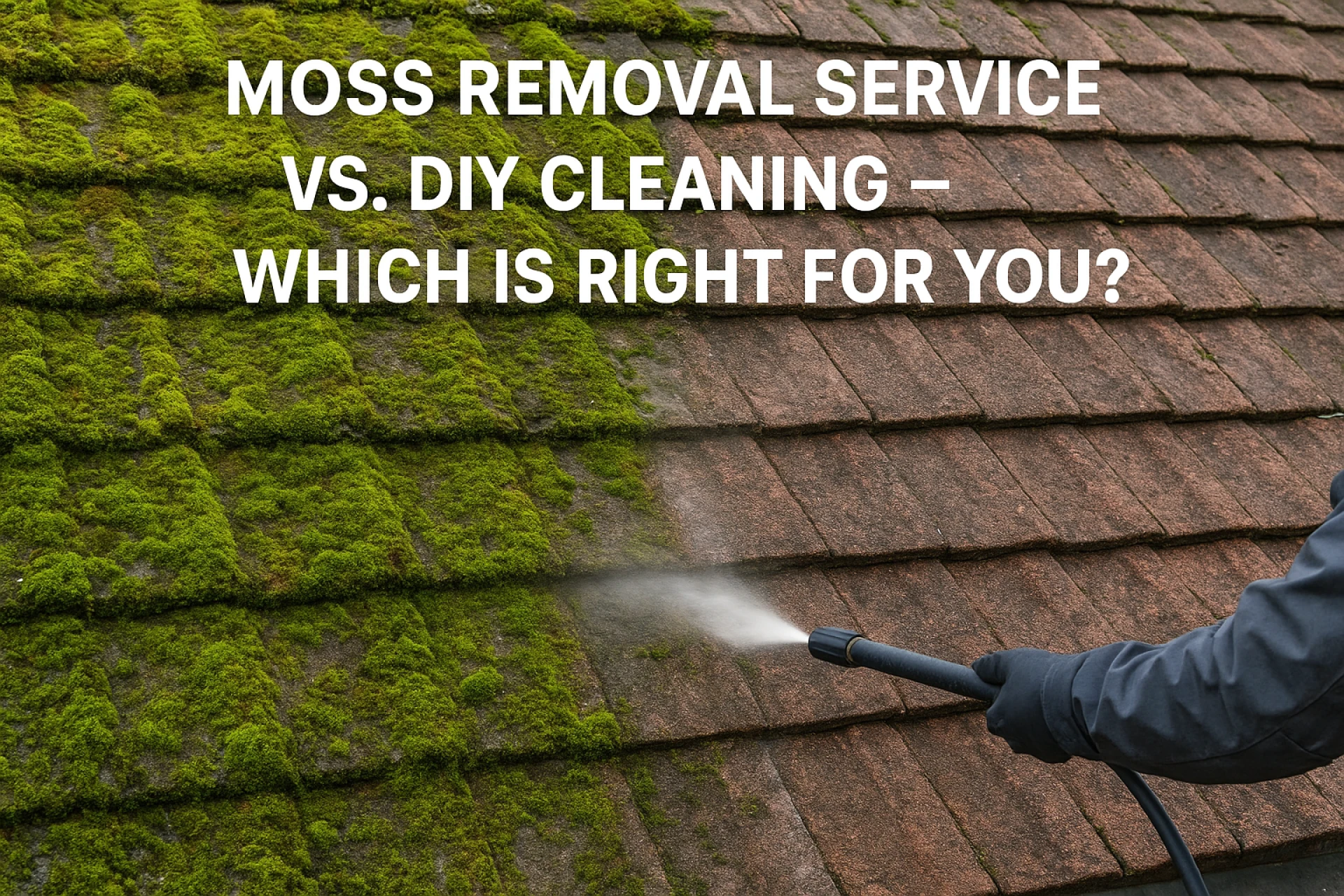
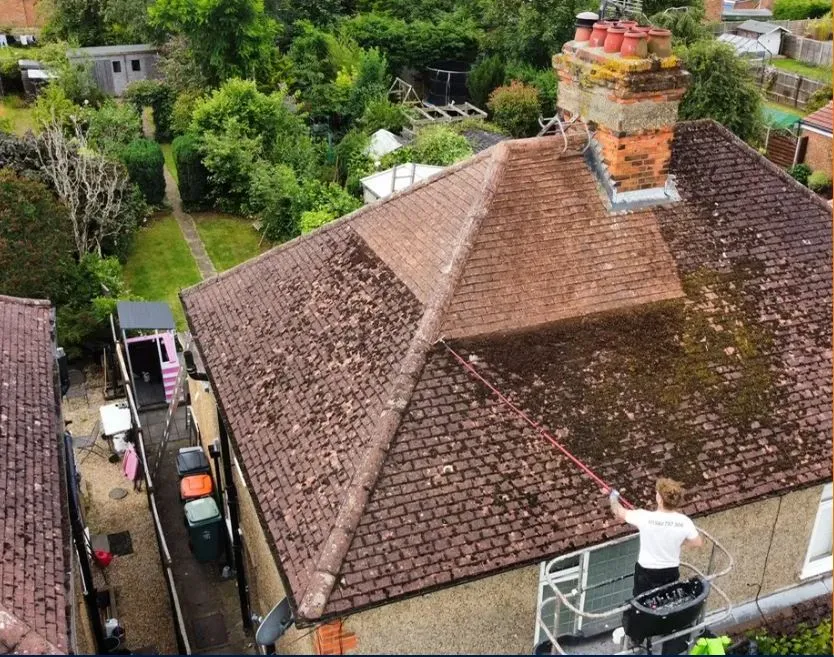
Moss thrives in damp conditions and spreads quickly across shaded roofs. Left untreated, it traps moisture and gradually weakens tiles. Many professionals use a roof tile scraper to carefully remove moss without damaging the surface before applying further treatment.
3. Gutter Blockages
Winter leaves and debris clog gutters, causing water to back up under your roofing materials. Clearing them now prevents spring downpours from causing leaks.
Some homeowners consider roof pressure cleaning in spring to refresh the appearance of their property. While this can be effective in certain cases, it must be done carefully to avoid tile damage.
Summer: Protect Against Heat and Growth
Summer may seem calm compared to winter storms, but heat and UV exposure can slowly wear down roofing materials.
Focus Areas:
1. Inspect for Sun Damage
Asphalt shingles may blister or fade. Concrete and clay tiles can develop hairline cracks.
2. Consider Preventative Treatment
Summer is ideal for roof spraying treatments designed to prevent moss and algae regrowth. After manual cleaning, a professional roof spraying solution can create a protective barrier that keeps tiles cleaner for longer.
3. Ventilation Matters
Poor attic airflow causes heat to build up, weakening materials from below. Good ventilation protects both your roof and your energy bills.
Some property owners look into roof pressure washing during dry summer months. However, high pressure can sometimes dislodge tiles or strip protective coatings, so softer methods or a roof steam cleaner may be safer alternatives depending on the roof type.
Fall: Preparation Is Everything
Autumn is arguably the most important maintenance season. What you do now determines how your roof handles winter.
Key Tasks:
1. Remove Leaves Quickly
Leaves collect in roof valleys and hold moisture against tiles. This speeds up deterioration and encourages moss.
2. Trim Nearby Branches
Overhanging branches scrape tiles in windy weather and drop debris that blocks drainage systems.
3. Final Pre-Winter Inspection
Check flashing around chimneys and vents. Small cracks can quickly turn into major leaks during heavy rain or frost.
If your roof hasn’t been cleaned in several years, autumn is also when many homeowners start researching roof cleaning costs UK providers charge, so they can compare quotes before winter arrives.
Winter: Monitor and Prevent Damage
Winter is more about observation than active cleaning. Climbing onto a roof in icy conditions is dangerous and not recommended.
What to Watch For:
1. Ice Dams
When heat escapes from your attic, snow melts and refreezes at the edges. This traps water behind it, which can seep under tiles.
2. Interior Warning Signs
Damp patches on ceilings or walls often signal roof trouble before it’s visible outside.
3. Heavy Snow Load
If snow builds up significantly, using a roof rake from the ground can reduce strain — but never attempt roof pressure washing or roof pressure cleaning during freezing conditions.
Choosing the Right Cleaning Method
Not all roofs are the same, and neither are cleaning approaches.
- Roof pressure cleaning – Effective for removing dirt and moss quickly, but must be done carefully to avoid tile damage.
- Roof pressure washing – Similar to pressure cleaning, but pressure levels should be adjusted based on roof material.
- Roof steam cleaner – Uses lower pressure with high heat to kill moss spores and algae without aggressive force.
- Manual removal with a roof tile scraper – A controlled method often used before applying treatments.
- Roof spraying treatments – Applied after cleaning to prevent regrowth and extend results.
The method you choose impacts both longevity and overall roof cleaning costs UK homeowners ultimately pay over time. Cheaper, aggressive cleaning may lead to repairs later, while gentler methods can preserve materials longer.
Small Habits That Keep Roofs Strong
Beyond seasonal tasks, consistency makes the biggest difference:
- Inspect your roof twice a year from ground level.
- Keep gutters clear year-round.
- Address slipped tiles immediately.
- Ensure attic insulation and ventilation are adequate.
- Avoid unnecessary high-pressure cleaning if your roof type isn’t suitable.
Think of roof care like maintaining a car. Regular servicing prevents costly breakdowns. Ignoring minor issues usually leads to larger bills later.
When to Call a Professional
DIY checks are helpful, but some issues require expert assessment:
- Persistent leaks
- Sagging rooflines
- Widespread moss infestation
- Storm damage
- Roofs over 20 years old
Professionals can determine whether roof pressure cleaning, roof steam cleaner treatment, manual moss removal using a roof tile scraper, or protective roof spraying is most appropriate for your specific roof type.
Why Seasonal Maintenance Saves Money
Many homeowners only react when damage becomes visible indoors. By then, water may have already affected insulation, plaster, or structural timber.
Seasonal care helps:
- Extend the lifespan of roofing materials
- Reduce emergency repair costs
- Improve property appearance
- Maintain home value
- Lower long-term roof cleaning costs UK households often face after neglect
In the UK climate especially, moisture is constant. Moss, algae, rain, and frost never really take a year off so your maintenance shouldn’t either.
Final Thoughts
Keeping a roof clean and strong isn’t about dramatic once-a-decade overhauls. It’s about small, steady seasonal habits. Clear debris in autumn. Inspect and reset in spring. Protect in summer. Monitor in winter.
Whether you choose manual cleaning with a roof tile scraper, preventative roof spraying, careful roof pressure cleaning, professional roof pressure washing, or treatment with a roof steam cleaner, the key is consistency and using the right method for your roof type.
Look up once in a while. Notice changes. Act early.
Because when your roof is maintained properly, it quietly protects everything underneath it — through every storm, every season, and every year ahead.



























Sign in to leave a comment.