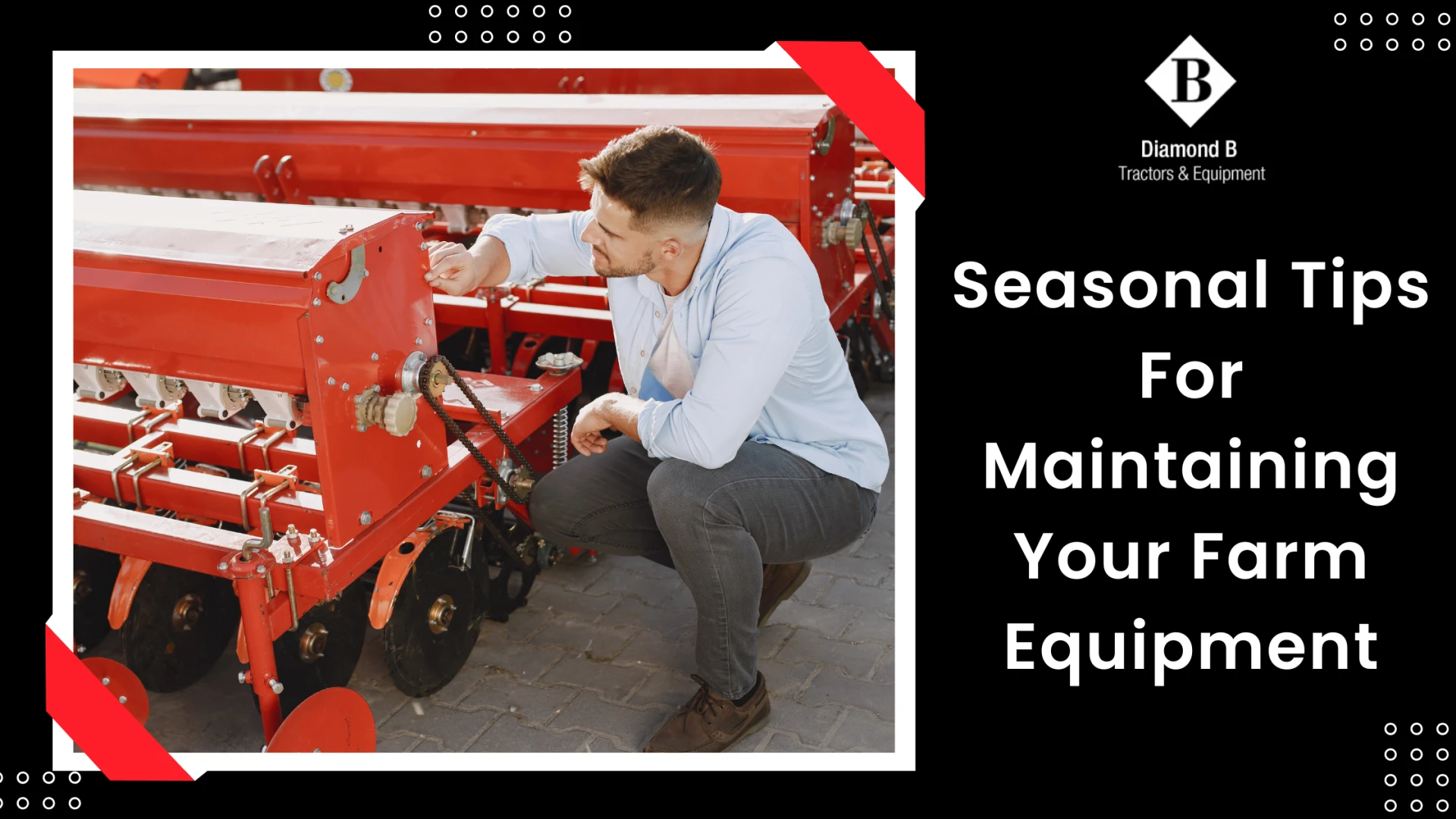

Farm equipment is the backbone of everyday farming. It helps in planting, harvesting, and countless other jobs that a farmer performs every day. However, farming activities do not remain the same year-round, so the use of farm equipment also changes.
Each season brings its own kind of wear and tear, its own set of challenges that can quietly take a toll on your machinery.
Thus, it is important to maintain farm equipment based on the weather and workload. When maintenance doesn’t adapt to weather and workload, small problems can slowly turn into costly breakdowns. Right care at the right time, along with help from a trusted farm equipment repair service when needed, helps your equipment stay reliable throughout the year and perform at its best during the busiest farming seasons.
In this blog, we will learn simple seasonal maintenance tips to keep your equipment field-ready year-round.
Why Seasonal Maintenance Matters
Farm equipment faces different challenges as the seasons change.
In summer, engines heat up faster and have a harder time cooling down, so they have to work extra hard to do the same job they normally do. Also, dry conditions create a lot of dust, which clogs the air filter and restricts airflow to the engine.
During rainy periods, farm equipment is constantly exposed to water, mud, and high moisture levels, which can cause rust and weaken metal parts. Mud and water can also interfere with electrical systems, leading to poor connections, short circuits, or corrosion.
During the harvest season, you need to work long hours, leading to heavy use that puts extra strain on belts, blades, and bearings.
Cold temperatures, moisture, and long periods of inactivity in winter can cause oil to thicken, fluids to slow, tires to develop flat spots, and metal parts to wear or corrode. Batteries also tend to lose power in cold weather.
All these issues can cost farmers both time and money if they’re not addressed early. That's where seasonal maintenance makes all the difference. It prevents unexpected breakdowns, protects what you've invested in, and keeps your tractors, harvesters, and tools running smoothly when you need them most.
Thus, seasonal maintenance isn’t just about fixing what’s broken; it’s about preventing trouble before it starts.
Seasonal Farm Equipment Maintenance Checklist
Spring (Pre-Season Preparation)
Spring is the season when you need to get your farm equipment ready before the actual farm work begins. A little effort now can save you from delays and breakdowns once planting is underway.
Full inspection: Inspect your machine thoroughly, including belts, chains, hoses, tires, filters, and lights. If you find anything loose or damaged, fix it right away. Catching these small issues early helps you avoid bigger problems later.
Check all fluids: If you find the engine oil, coolant, and hydraulic fluid dirty, thick, or old, drain them and replace them with new. But if the fluid is still clean and in good condition, you can refill the same type of fluid to reach the recommended mark. Fresh fluids help machines run cooler, smoother, and more efficiently during long working hours.
Cleaning: Dirt, mud, and leftover crop debris can hide damage and accelerate wear on parts. Giving your equipment a proper wash at the start of the season helps prevent rust and keeps components in good shape.
Lubrication: Make sure to grease all moving parts, especially joints and bearings. Proper lubrication helps to reduce friction, prevent early wear, and keep everything running smoothly.
Replace worn parts: Spring is the right time to do so. Swapping them out before they fail saves time and stress during busy planting days. Reliable tractor service in Texas can help you get the perfect fit for your machine.
Testing: Before heading to the field, test your equipment. Run the machines to check for any vibration or noise issues, and check hydraulics, electrical systems, and controls to ensure everything works as it should. This lets you fix problems in a calm setting instead of during critical work.
Calibration: Planters, seed drills, and sprayers require proper settings for seed depth, spacing, and fertilizer use. Calibration ensures they release the correct amount of seed, fertilizer, or spray at the correct depth, spacing, and speed.
Even small errors can lead to uneven planting or wastage.
Summer (Peak Season Care)
Farmers usually work for a long time in the summer. Therefore, summer is one of the hardest seasons for farm equipment. High temperatures, long working hours, and dusty fields can put significant strain on machines if they’re not properly maintained.
Check engine oil and coolant levels: It is essential to maintain fluid levels as summer heat makes engines run hotter, and low fluid levels can lead to overheating. Also, ensure radiators are clean, as dust and debris can block airflow and reduce cooling efficiency. You can quickly clean them with air or water.
Extra attention to air filters: During summer, engines lose power and burn more fuel. Dry dust quickly clogs filters and restricts airflow. Clean or replace those filters regularly so your engine can breathe easy and run the way it should.
Check tires regularly: Tires take a lot of stress, especially in hot weather and on rough fields, so regular checks are important. Before each use, look for cracks, low pressure, or worn tread. Heat can change tire pressure, and incorrect inflation often leads to uneven wear or sudden flats in the field.
Make sure each tire is inflated to the correct PSI for the machine and load it carries. Both overinflated and underinflated tires are more likely to fail. Proper weight balance also matters. Using the right ballast and spreading weight evenly helps reduce strain on individual tires, especially on uneven ground.
When equipment is not in use, park it on a dry, level surface to slow down tire damage.
Don't Skip Lubrication: Proper greasing matters just as much in summer as at any other time. Lubrication reduces friction and helps all those moving parts handle heat without wearing out too quickly.
Hydraulic system maintenance: Hydraulic systems perform many important functions on tractors and farm equipment. Small issues like leaking fluid, cracked hoses, or dirty oil can quickly lead to sudden failures and work delays. Regularly check belts and hoses, as they may crack, stretch, or weaken as temperatures rise. Also, keep hydraulic fluid clean, and change filters on time.
Some farmers also monitor fluid conditions or test it for contamination. This kind of preventive care reduces breakdowns, improves safety, and keeps equipment running smoothly during the busiest seasons.
Check your air conditioning: If your equipment has AC, make sure it's actually working. Staying cool isn't just about comfort, it helps operators stay sharp and productive through those long, hot summer days.
Autumn (Harvest Preparation and Post-Harvest Care)
Autumn is one of the busiest and most demanding times on the farm, so equipment must be ready before harvest begins.
Inspect all harvesting machines: Check your combines, balers, belts, chains, bearings, and cutting parts. Look for wear and tear. Even something small can turn into a serious delay when you're trying to bring in the crop.
Sharp blades matter: Dull or damaged blades don't just slow you down, they can reduce your crop quality and yield. Sharpen them before you start, and replace them if they are too worn. Keep spare belts, blades, and guards close by. If something fails in the field, you'll be glad you did.
Test electronics and sensors. Before operating, ensure your monitors, gauges, and control systems are working correctly and are calibrated for the type of harvest you're doing. Accurate readings mean your machines run efficiently, and you waste less.
Don't Skip Safety Checks: Ensure guards, shields, emergency stops, lights, and warning signs are in place and working properly. A quick safety review with your operators can prevent accidents during long, high-pressure harvest days.
Clean Up Right After Harvest
Once harvest wraps up, don't wait to clean your equipment. Remove crop residue, dust, and debris. It reduces rust, corrosion, and fire hazards. Lubricate the moving parts and note anything that needs repair before you put things away.
Proper harvest-season care protects both people and machines, reduces breakdowns, and ensures equipment is ready for the next season.
Winter (Off-Season Care)
Winter is the quiet season on the farm, and it’s the best time to protect your equipment and prepare it for the year ahead. What you do now can prevent rust, damage, and costly repairs later.
Give Everything a Thorough Cleaning. Wash off all dirt, mud, crop residue, and chemical buildup, especially around the engine, undercarriage, and moving parts. Let it all dry completely. Clean equipment rusts less and won't attract pests in storage.
Take Care of Fluids and the Engine: Change out old engine oil, coolant, and other fluids so that moisture and sludge do not sit in your system all winter. If a machine's going to sit idle for a while, treat the fuel with a stabilizer. And check your antifreeze levels to make sure nothing freezes up.
Look After Your Batteries: Cold temperatures drain batteries faster. Remove them and store them in a dry place, or keep them charged and clean so you don't end up with corrosion or starting problems later.
Lubricate Before Storing: Before storing equipment, grease and lubricate all moving parts. It creates a protective layer that prevents corrosion during long months of inactivity. Check belts, hoses, and tires for cracks or wear, and make sure tires are properly inflated to avoid flat spots.
Store Equipment the Right Way: A dry, covered shed is ideal, but if you don't have one, use good waterproof covers and park machines on level ground. Proper storage keeps your equipment safe from snow, moisture, and temperature changes.
Maintain Farm Equipment Each Season With Reliable Farm Equipment Repair Service
Seasonal maintenance is one of the simplest ways to keep your farm running smoothly year-round. By giving your equipment the right care at the right time, you can prevent sudden breakdowns and extend the life of your machines.
And when a problem is beyond a quick fix, relying on a trusted farm equipment repair service can save you time, money, and stress.


























Sign in to leave a comment.