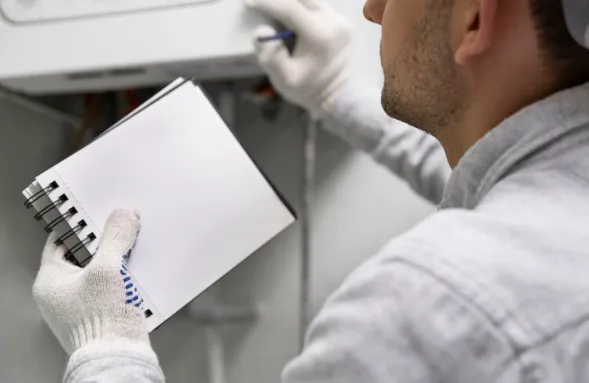

Behind the scenes, water heaters quietly get your day started, wash your dishes, and keep your clothes fresh until something goes wrong. It’s not merely a question of swapping an old tank for a new one in some dark cupboard. Selecting the correct first installation options is a direct factor in daily energy bills and whether an appliance will make it 10 years or die early. It may sound boring, but taking the time to learn how the equipment actually works turns a tedious household chore into a smart long-term decision. Ultimately, those initial setup choices result in living areas that remain consistently warm or cool without gradually depleting your bank account.
Important Things to Do Before Choosing Your New Tank
Proper preparation is vital to keeping your new unit functioning well or not being able to keep up with the daily demand for hot water. To determine if your old electrical system or gas line will handle a modern type, you must know the precise physical architecture of the location. Older systems may not have the same clearances or venting arrangements as modern systems, so measure twice to avoid costly surprises later on.
Knowing your home water usage might help you select the proper size unit so you’ll never end up taking frigid showers. Sizing is matching peak usage hours to recovery rates so your supply is steady during busy mornings.
Ensure that your setup is safe and meets all safety requirements. Know the local construction rules so that you do not get a fine or damage your property. Professional installers consider these technical factors before installing new equipment in your home.
Thermal Elements Concealed for Improved System Efficiency
Thermal expansion tanks are a must to keep your plumbing network from over pressurizing as water heats up. When water gets hot, it expands, and this force has to go somewhere safe instead of putting stress on your valves and pipes. This excess volume is filled with an expansion vessel that keeps your internal pressures in balance and extends the operational life of the entire system considerably.
You can insulate your pipes to keep heat in as water flows from the source to your kitchen and bathroom faucets. Good insulation stops heat from escaping while in transit, meaning your appliance will need less energy to keep things at the right temperature.
City water pressure can be too high and wear out the inside linings of the tank. The answer is well-adjusted pressure control systems. The proper pressure protects every valve, line, and fixture in your home’s supply.
Essential Safety Features for the Contemporary Home
The best protection against catastrophic floods if leaks arise is automatic shutdown valves, which shut off the main line. Modern sensors can detect moisture just above the floor quickly and activate a mechanical barrier to reduce potential water damage to your flooring and walls. These preventative solutions are a huge security investment whether you are out on extended travel or at business.
Drafting systems and proper ventilation channels help to preserve indoor air quality by safely venting dangerous exhaust emissions outside of the structure. Appliances that burn fuel need to be checked carefully to make sure the venting is correct so that carbon monoxide does not come back into residential rooms.
The temperature relief valve will securely release hot water. If there is an unanticipated pressure spike, the proper discharge piping will convey the water to the floor. It is a significant safety threat to anyone in the area to circumvent this essential drain line.
Long-Term Strategies to Protect Your Investment
High-grade anode rods are utilized to keep the inside corrosion from damaging the steel tank body for years of continuous exposure. The sacrificial rods pick up corrosive minerals in your water supply that assist them in slowly degrading and leave the main internal shell undamaged and rust-free.
Flushing on a regular basis helps to eliminate heavy silt that collects on the bottom of the tank over time. The mineral deposits build up and create an insulating wall between the heating element and the water, causing the device to work much harder to get to even basic temperatures.
When you are ready for a water heater installation in Tampa or want to upgrade your current unit, talking to experienced professionals keeps your equipment in working order. Once a season, check connections, valves, and thermostats to keep energy efficiency up and catch little wear before significant breaks.
Conclusion: Opt for Trusted Plumbing Help for Your Setup
Hence, to sum-up, installing or replacing a central water heater takes technical know-how, a thorough grasp of mechanics, and a comprehensive awareness of building safety requirements. Homeowners who appreciate a competent installation enjoy the benefits of continuous hot water, decreased monthly electricity bills, and ultimate peace of mind concerning home safety. With licensed specialists working on your system, every valve, vent, and line is appropriately adjusted for long-term function. Pompa Plumbing Group is a full-service home plumbing company that delivers reliable plumbing service by qualified specialists committed to long-term results and excellent customer service. When you work with a reliable company, you'll obtain a unit that works right away.






















Sign in to leave a comment.