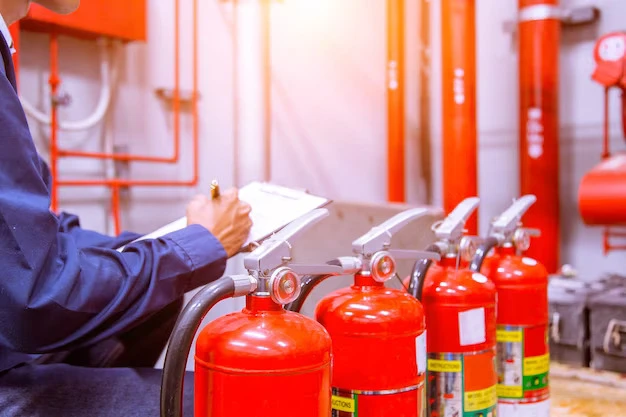

Safety is paramount in every aspect of life, and one area where it should never be compromised is in fire protection. Fire protection equipment, ranging from fire extinguishers to smoke detectors, serves as the guardian of life and property when fire strikes. In this comprehensive guide, we will delve into the critical importance of fire protection equipment, explore the various types available, and provide guidance on finding these essential tools near your location. Whether for your home, business, or public space, securing safety through fire protection equipment is a vital necessity.
I. The Crucial Role of Fire Protection Equipment
1.1. Preserving Lives
Fire protection equipment is not just an investment in property; it's an investment in the preservation of lives. Swift detection, suppression, and emergency response can mean the difference between life and death in a fire emergency.
1.2. Limiting Property Damage
Fire protection equipment plays a pivotal role in limiting property damage during a fire. These tools are designed to detect, suppress, or provide early warnings, effectively reducing the extent of damage and financial loss.
1.3. Compliance with Safety Regulations
Many regions and industries have stringent regulations and codes in place regarding fire safety and the use of fire protection equipment. Compliance with these regulations is not only essential for safety but also to avoid legal repercussions and fines.
II. Diverse Types of Fire Protection Equipment
2.1. Fire Extinguishers
Fire extinguishers are portable devices designed to suppress small fires. They come in various types, each tailored to combat different fire classes, including Class A (ordinary combustibles), Class B (flammable liquids), Class C (electrical equipment), Class D (combustible metals), and Class K (kitchen fires).
2.2. Smoke Detectors
Smoke detectors are early warning devices that detect the presence of smoke, a common sign of a fire. These devices trigger alarms to alert occupants to potential fire emergencies, providing precious moments for evacuation.
2.3. Fire Alarms
Fire alarm systems include detectors, alarms, and control panels. They offer both audio and visual alerts in the event of a fire, enabling rapid response and evacuation.
2.4. Fire Sprinkler Systems
Automatic fire sprinkler systems are networks of pipes and sprinkler heads installed in buildings. When they detect heat or smoke, these systems release water or other fire-suppressing agents, mitigating the spread of the fire.
2.5. Carbon Monoxide (CO) Alarms
Carbon monoxide alarms are designed to detect dangerous levels of carbon monoxide gas, which is colorless and odorless. These alarms can save lives by alerting residents to the presence of this deadly gas.
III. Selecting the Right Fire Protection Equipment
3.1. Evaluate Your Needs
Choosing the right fire protection equipment begins with an assessment of your specific safety needs. Factors to consider include the size and purpose of your property, fire hazards present, and any unique risks.
3.2. Seek Professional Guidance
Professional fire safety experts can provide invaluable guidance. They can conduct a thorough risk assessment, recommend suitable equipment, and ensure compliance with local regulations and codes.
3.3. Wireless vs. Wired Systems
Decide whether you prefer wireless or wired fire protection equipment. Wireless systems are easier to install and offer flexibility, while wired systems are typically more reliable.
3.4. Monitoring Services
Consider whether you want your fire protection equipment to be monitored by a professional security company. Monitored systems offer 24/7 protection and immediate response in the event of an emergency.
IV. Finding Fire Protection Equipment Near You
4.1. Local Fire Departments
Your local fire department often provides information on fire protection equipment and can recommend reputable local providers. They have extensive knowledge of local fire safety regulations and are a valuable resource.
4.2. Fire Safety Specialists
Specialized fire protection companies and technicians focus exclusively on fire safety equipment and services. They offer a wide range of services, including system design, installation, maintenance, and inspections.
4.3. Online Directories
Online directories and platforms can help you find fire protection equipment providers near your location. These resources often include customer reviews and ratings to assist in your selection.
4.4. Recommendations
Seek recommendations from friends, family, or colleagues who have experience with fire protection equipment. Personal referrals can lead you to reputable providers with a proven track record.
4.5. Trade Associations
Fire protection and safety trade associations can be excellent sources for finding local experts. Organizations like the National Fire Protection Association (NFPA) often provide directories of certified professionals and companies.
V. The Importance of Regular Maintenance
5.1. Routine Inspections
Fire protection equipment should undergo regular inspections by certified technicians. These inspections ensure that all components are functioning correctly and that the equipment is ready to respond to a fire emergency.
5.2. Testing and Certification
Periodic testing and certification of fire protection equipment are crucial to maintaining compliance with regulations. Certified technicians perform tests to confirm that the equipment operates as intended.
5.3. Documentation
Keep comprehensive records of all inspections, tests, and maintenance activities related to your fire protection equipment. This documentation is crucial for compliance and warranty purposes.
Conclusion
Fire protection equipment near me is a vital investment in the safety and security of your property and the people within it. By finding reliable providers near you, selecting the right equipment, and ensuring regular maintenance, you contribute to a safer and more secure environment for yourself, your loved ones, and the occupants of your space. Remember, security is not an option; it's a necessity.


























Sign in to leave a comment.