
When it comes to home security, windows are often the most vulnerable points of entry. Protecting them is a priority, and homeowners usually choose between two main options—security window screens or traditional window bars. Both offer protection, but they differ in aesthetics, functionality, and overall benefits. If you’re considering an upgrade, here’s a breakdown of how these two options compare.
What Are Security Window Screens?
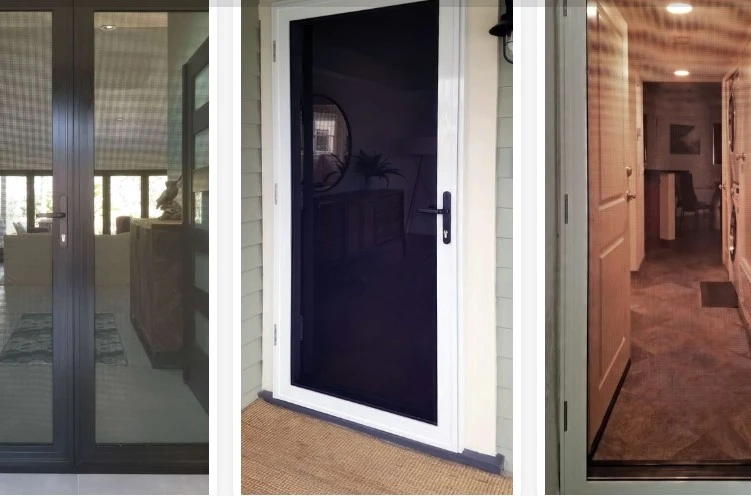
Security window screens are high-strength mesh screens made from stainless steel or aluminum, designed to withstand impact and forced entry. Unlike traditional screens, these are built for more than just keeping insects out—they provide security while maintaining visibility and ventilation.
What Are Traditional Window Bars?
Window bars, or security bars, are metal bars installed over windows to prevent break-ins. They’ve been used for decades and are known for their strong deterrence factor. However, they come with drawbacks, especially in terms of appearance and emergency access.
Aesthetics and Home Value
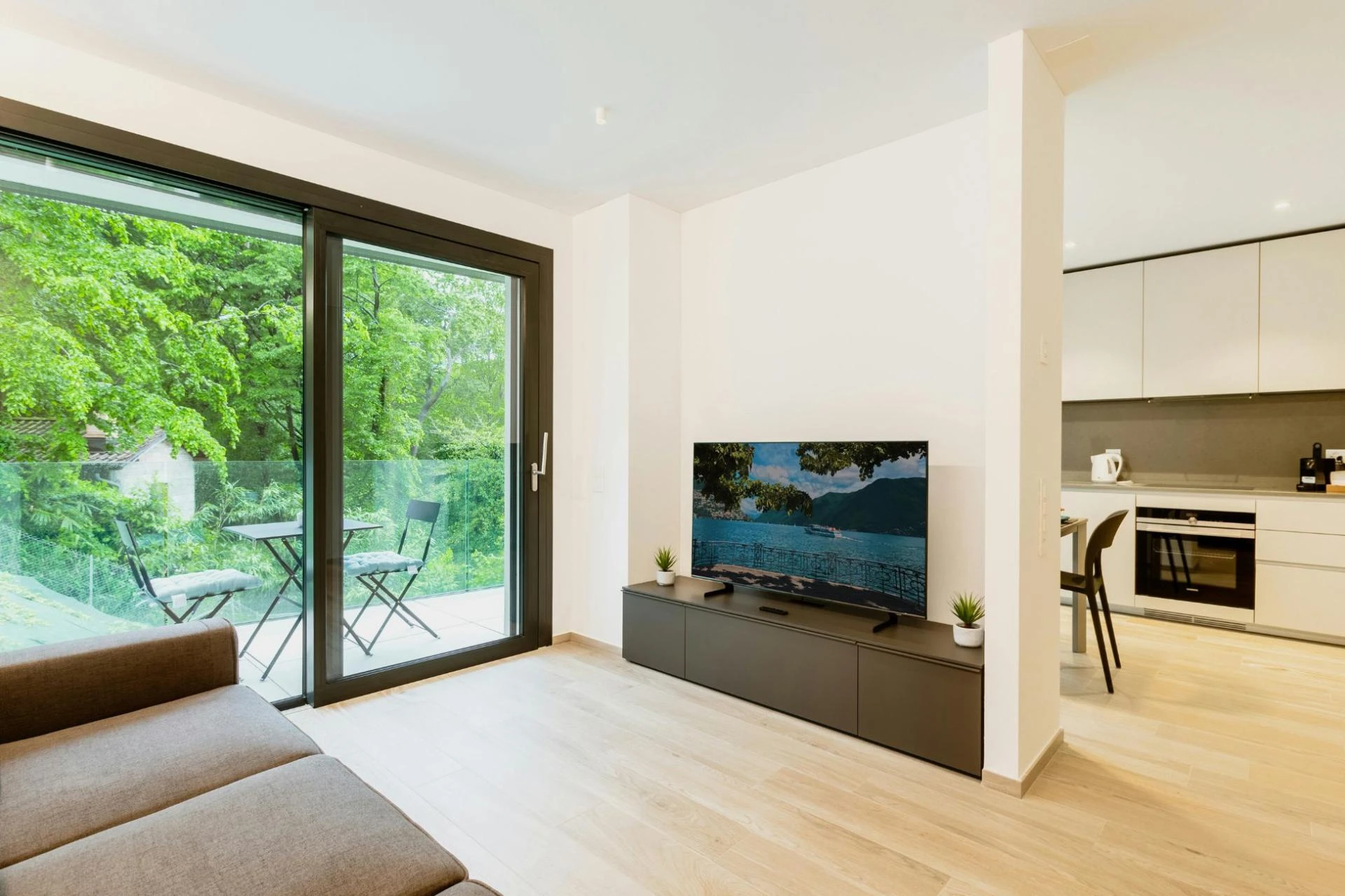
One of the biggest advantages of security window screens over window bars is their appearance. Security screens look sleek and modern, blending seamlessly with a home’s design. They provide protection without making your home feel like a prison.
On the other hand, traditional window bars can make a home look outdated or even uninviting. While some decorative designs exist, they still create a visible barrier that might not suit all homeowners' preferences.
If you’re concerned about resale value, security screens are the better choice. Homebuyers prefer security features that don’t compromise the home’s curb appeal.
Strength and Protection
Both options offer strong protection, but security window screens have an edge due to their impact resistance. Made with woven stainless-steel mesh, they are tough enough to withstand forced entry attempts, including kicking, cutting, and prying. Many security screens are also tested against hurricane-force winds and debris, adding an extra layer of durability.
Window bars, while effective, have one major flaw—they can be bypassed if improperly installed or if an intruder has the right tools. Some bars are also designed to be removable from the inside, which can be both a security risk and a safety feature in case of emergencies.
Emergency Safety and Fire Hazards
Security shouldn’t come at the cost of safety. This is where security window screens truly shine. They allow for emergency exit through quick-release mechanisms, giving you an escape route in case of fire or other dangers.
Traditional window bars, unless designed with a quick-release system, can be dangerous. Many tragic incidents have occurred where people were trapped inside during a fire because the bars couldn’t be opened in time. If you already have window bars, make sure they have a safe and accessible release function.
Airflow and Natural Light
One of the overlooked benefits of security window screens is that they provide security while allowing fresh air and natural light into your home. Since the mesh is finely woven, it keeps insects out while still offering ventilation. This is perfect for those who enjoy opening windows without worrying about security risks.
Window bars, on the other hand, don’t provide any extra functionality besides security. They don’t block airflow, but they can create a feeling of confinement, especially on bedroom or living room windows.
Maintenance and Durability
When it comes to maintenance, security window screens require little effort. They are corrosion-resistant, easy to clean, and last for decades with minimal upkeep. Since they’re designed for outdoor exposure, they withstand harsh weather conditions without rusting or deteriorating.
Window bars, especially those made of iron, require more maintenance. They can rust over time, especially in coastal areas with high humidity. To keep them in good condition, regular painting and rust prevention treatments are necessary.
Installation and Cost
The cost of security window screens depends on the size of your windows and the material used, but they are generally more expensive upfront than window bars. However, considering their added benefits—security, ventilation, and aesthetics—they are a worthwhile investment.
Window bars are often cheaper and easier to install, making them an appealing option for homeowners on a budget. However, their drawbacks, including limited emergency access and reduced home value, make them a less favorable long-term choice.
Which One Should You Choose?
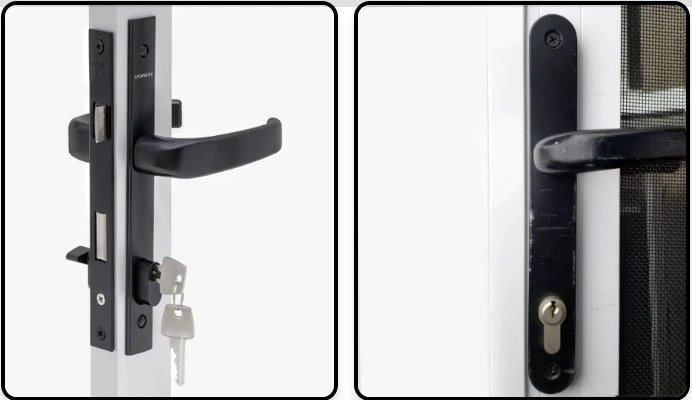
If you want a modern, high-security solution that doesn’t compromise safety, aesthetics, or functionality, security window screens are the clear winner. They offer strong protection, allow emergency exits, provide airflow, and enhance your home’s curb appeal.
Traditional window bars may still work for some situations, especially in high-crime areas where visible deterrence is needed. However, they come with risks and limitations that make security window screens the smarter, more practical option for most homeowners.
Upgrading to security window screens is an investment in both safety and comfort. If you’re looking for a solution that protects without making your home feel like a fortress, security screens are the way to go.




























Sign in to leave a comment.