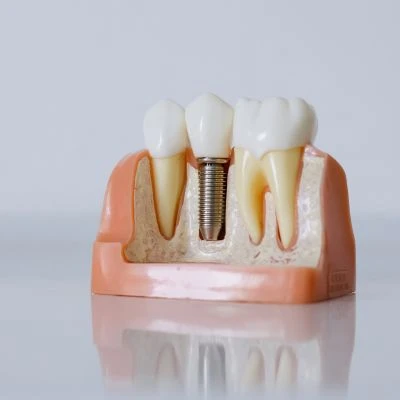

For many people, visiting the dentist can be a stressful and anxiety-inducing experience. The fear of pain, discomfort, or even the sound of dental tools can create significant apprehension, causing some to avoid necessary dental care altogether. Fortunately, advancements in modern dentistry have introduced solutions to help patients overcome these fears, with sedation dentistry being a prominent one.
Sedation dentistry is a safe, effective way to make dental procedures comfortable and stress-free, especially for those with dental anxiety or phobia. This article explores what sedation dentistry is, its benefits, and types, and how it’s transforming the patient experience.
What Is Sedation Dentistry?
Sedation dentistry involves using medication to help patients relax during dental procedures. It is sometimes referred to as "sleep dentistry," although patients are usually awake unless under general anesthesia.
The goal of sedation dentistry is to create a calm and comfortable environment, allowing the dentist to perform necessary treatments while the patient remains at ease. This approach is ideal for individuals with:
- Dental phobia or anxiety
- Low pain tolerance
- Sensitive teeth or gums
- Difficulty sitting still for long periods
- A strong gag reflex
The Benefits of Sedation Dentistry
1. Reduced Anxiety and Fear
Sedation dentistry helps patients overcome their fear of the dentist. By feeling calm and relaxed, they are more likely to seek regular dental care, which is crucial for maintaining oral health.
2. Pain-Free Procedures
Sedation can dull or eliminate the sensation of pain, making it an excellent option for patients undergoing extensive or invasive treatments, such as root canals, extractions, or dental implants.
3. Faster and More Efficient Treatment
When a patient is relaxed, the dentist can work more efficiently without interruptions caused by movement or discomfort. This often reduces the time needed for the procedure and may allow multiple treatments to be completed in a single visit.
4. Improved Oral Health
For patients who avoid the dentist due to fear, sedation dentistry can encourage them to return for routine check-ups and cleanings, ultimately improving their oral health and preventing more severe problems.
5. Customized Comfort Levels
Sedation dentistry offers various levels of sedation tailored to the patient’s needs. Whether you need mild relaxation or deep sedation, there is an option that works for you.
Types of Sedation Used in Dentistry
Dentists use different types of sedation, depending on the procedure and the patient’s anxiety level.
1. Nitrous Oxide (Laughing Gas)
Nitrous oxide is the most commonly used form of sedation in dentistry. It is administered through a mask that fits over the nose, allowing the patient to inhale a mixture of nitrous oxide and oxygen.
- Advantages:
- Quick onset and recovery.
- The patient remains conscious and can respond to instructions.
- Safe for both adults and children.
- Best For: Patients with mild anxiety or those undergoing shorter, less invasive procedures.
2. Oral Sedation
Oral sedation involves taking a pill (usually a benzodiazepine like Valium or Halcion) before the procedure. This creates a deeper level of relaxation compared to nitrous oxide.
- Advantages:
- Easy to administer.
- Provides moderate sedation while allowing the patient to remain awake.
- Best For: Patients with moderate anxiety or longer procedures.
3. IV Sedation
Intravenous (IV) sedation is administered directly into the bloodstream through a vein. It allows the dentist to adjust the level of sedation as needed during the procedure.
- Advantages:
- Rapid onset and customizable sedation level.
- Produces a deep state of relaxation.
- Best For: Patients with severe dental anxiety or those undergoing complex treatments.
4. General Anesthesia
General anesthesia involves putting the patient into a fully unconscious state. It is typically reserved for major surgical procedures or patients with extreme dental phobia.
- Advantages:
- The patient is completely unaware of the procedure.
- Ensures maximum comfort during complex surgeries.
- Best For: Patients with extreme anxiety or special needs requiring full sedation.
Who Can Benefit from Sedation Dentistry?
Sedation dentistry is suitable for a wide range of patients, including:
- Anxious Patients: Those with a history of dental fear or phobia.
- Patients with Special Needs: Individuals with cognitive or physical impairments that make dental procedures challenging.
- Children: Kids who are unable to sit still or cooperate during treatment.
- Those with Complex Dental Needs: Patients undergoing lengthy or invasive procedures.
However, not everyone is a candidate for sedation dentistry. It’s essential to consult with your dentist, who will evaluate your medical history and overall health before recommending sedation.
Is Sedation Dentistry Safe?
Yes, sedation dentistry is considered safe when performed by trained and experienced professionals. Dentists who offer sedation undergo specialized training to ensure patient safety and comfort.
During the procedure, the dental team monitors vital signs such as heart rate, blood pressure, and oxygen levels to ensure everything is proceeding smoothly. Patients are also given clear instructions on how to prepare for and recover from sedation.
Preparing for a Sedation Dentistry Appointment
If you’re considering sedation dentistry, here’s what to expect before and after your appointment:
- Pre-Procedure Instructions:
- Avoid eating or drinking for a specified period before the procedure.
- Arrange for someone to drive you to and from the dental office if using oral, IV, or general anesthesia.
- During the Procedure:
- The dentist will administer the chosen form of sedation and begin the treatment once you are comfortable.
- Post-Procedure Care:
- Depending on the sedation type, you may feel groggy or disoriented after the procedure. Rest at home and avoid strenuous activities.
Conclusion
Sedation dentistry has revolutionized the dental experience, making it possible for anxious patients to receive the care they need without fear or discomfort. By offering various levels of sedation, dentists can cater to individual needs, ensuring a stress-free and positive experience.
If dental anxiety has kept you from maintaining proper oral health, sedation dentistry may be the solution you’ve been waiting for. Don’t let fear stand in the way of a healthy, confident smile. Talk to your dentist about sedation options and take the first step toward stress-free dental care.



























Sign in to leave a comment.