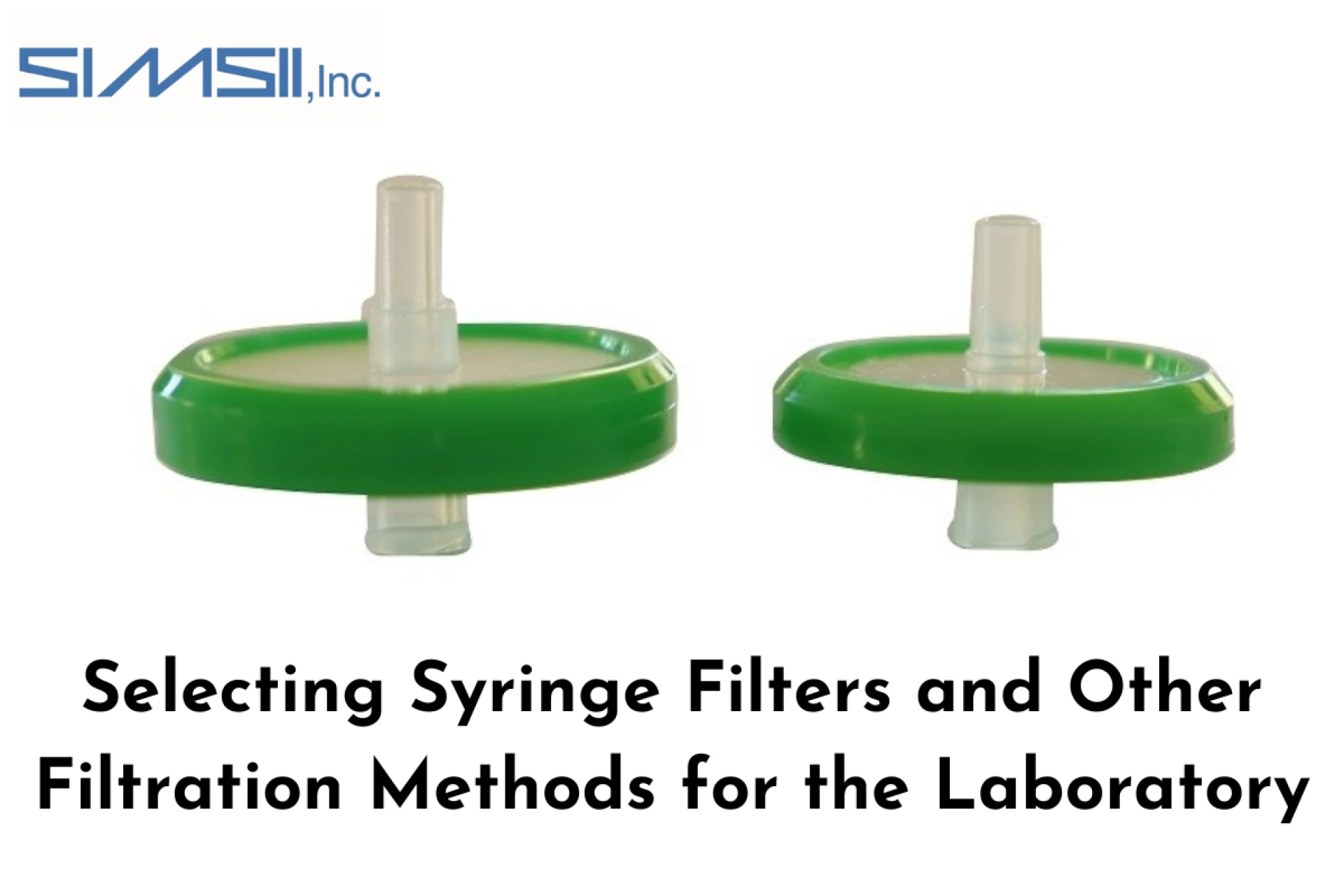

Generally, a syringe filter's filtration accuracy increases with decreasing diameter. But there are many other things to think about when choosing a syringe filter for your needs. Selecting the appropriate syringe filter, for instance, depends on several factors, including the type of sample, its volume, and the intended ultimate volume. Smaller filters are frequently more effective. This is so that filtration may be done more precisely using smaller-diameter syringe filters with smaller pore sizes.
But there are many other things to consider when choosing a syringe filter for your application. Hence, even if the syringe filter's width is crucial, it shouldn't be your only deciding factor. You can be certain to select the ideal syringe filter for your requirements by taking all relevant criteria into account. Let's learn more about the topic:
What is Syringe Filter?
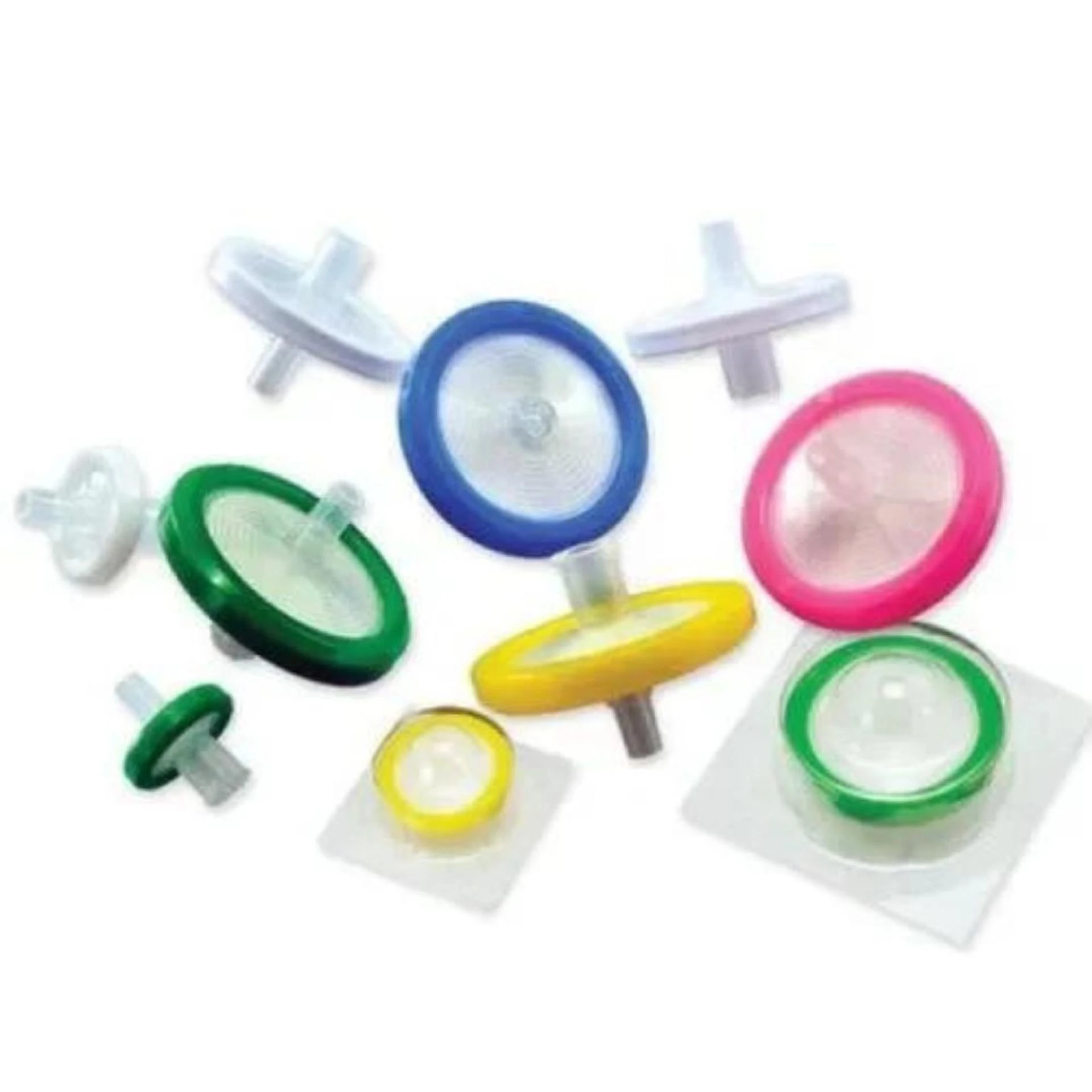
A syringe filter is a cartridge filter used with a syringe and attached to the end of the syringe. But only sometimes, syringe filters may contain a Luer lock connection. The syringe filter typically comprises a plastic cover layer that serves as a filter. A syringe filter is a membrane-based product that cleans liquid samples of some contaminants, including bacterial contamination. Syringe filters are used in many laboratories for various purposes, including quick filtering, sterilization, and equipment cleaning.
Types of Membrane Materials
Mentioned below are some types of membrane materials:
Cellulose Nitrate (CN)
The cellulose nitrate membrane is the most widely utilized in analytical and laboratory filtration. Aqueous solutions flow faster across the CN membrane, which has outstanding wetting characteristics.
Cellulose Acetate
The cellulose acetate membrane, made of a mixture of cellulose triacetate and diacetate, results in a strong membrane that is flexible in both lateral and longitudinal directions. Moreover, the membrane has little static charge, aqueous extractability, and strong solvent resistance to low molecular weight alcohols.
Mixed Cellulose Ester
Comparatively to a pure nitrocellulose membrane, the membrane offers a more homogeneous and smooth surface. Normally, this membrane measures or examines liquid or aerosolized particle concentrations.
Polyethersulfone (PES)
Low protein binding and hydrophilic. There are few extractable because no further wetting agents are needed. Compared to cellulose acetate membranes, PES membrane typically has higher chemical resistance and a faster flow rate.
PTFE Membrane
It is robust, incredibly porous, and resistant to most chemically aggressive solvents and potent acids and bases. The supporting material sets restrictions on chemicals and temperatures.
Different Procedures For Selecting a Filter
The size of the particles that need to be stored or filtered should be determined. The dry hole size of membranes will maintain an average particle size for all particles.
The membrane filter's compatibility with the liquid or gas to be filtered should be verified chemically. Every element that interacts with the filtrate should be thought of as having chemical resistance structures.
Depending on the technique, the membrane's color or surface design may be crucial. Furthermore, consider the temperature, flow rate, discharge, hydrophilic or hydrophobic membranes, and sterilization needs.
Why is it Necessary To Select The Right Syringe Filter?
It is extremely important to follow all analytical procedures requiring test sample filtering. Even a minor error can impact the entire procedure and the outcome. Accurate findings can be obtained, and the whole discovery or diagnosis process can be sped up by selecting the right syringe filter. In every analytical test, choosing the appropriate syringe filter is essential. While selecting a syringe filter, there are several things to remember. Here, we've outlined a few key elements you should consider to make an informed choice.
Ending Words
The syringe or PTFE filter is designed to meet certain requirements to efficiently filtrate various solutions, including aqueous, organic, inorganic, solvent, and gas. These filters are used in many different testing processes, such as HPLC testing, Environmental testing, Biotechnology testing laboratories, pharmaceutical testing laboratories, and Food & Beverage testing laboratories. The need is to have proper knowledge of these filters depending upon the purpose you need them for.


























Sign in to leave a comment.