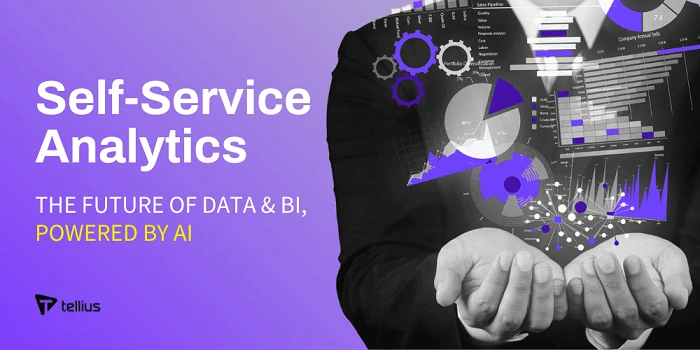

Self-service analytics is transforming the business landscape by empowering users to access, analyze, and interpret data without heavy reliance on IT or data science teams. This paradigm shift enables organizations to develop more agile and informed business strategies, driving growth and innovation in a fast-paced, data-driven world.
The Concept of Self-Service Analytics
Self-service analytics refers to a set of tools and processes that allow non-technical users to conduct their own data analysis. These tools are designed to be user-friendly, with intuitive interfaces that enable employees from various departments—such as marketing, finance, sales, and operations—to perform complex data analyses without specialized knowledge in data science or IT. The primary goal is to democratize data access, breaking down the silos that traditionally hinder data-driven decision-making.
Enabling Agility in Business Strategies
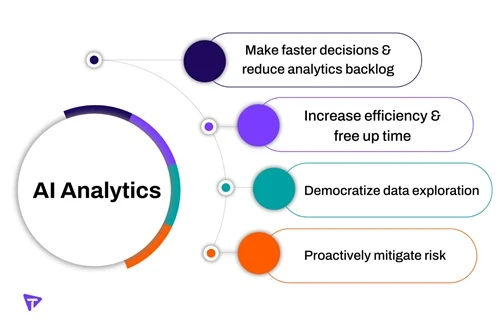
Rapid Decision-Making: One of the most significant advantages of self service analytics is the ability to make quick decisions. Traditional analytics processes often involve long wait times as requests move through IT departments. Self-service tools cut down these delays by putting data directly into the hands of those who need it, allowing for real-time analysis and faster decision-making.Adaptability: In today’s dynamic business environment, companies must be able to pivot quickly in response to market changes. Self-service analytics enables businesses to be more responsive by providing immediate insights into market trends, customer behaviors, and operational inefficiencies. This adaptability is crucial for staying competitive and capitalizing on new opportunities as they arise.Empowered Workforce: By equipping employees with the tools to perform their own analyses, businesses can foster a more empowered and proactive workforce. When employees have the ability to test hypotheses, explore data, and validate their ideas independently, they can contribute more effectively to strategic initiatives and innovation.Driving Informed Business Strategies
Data-Driven Culture: Self-service analytics supports the development of a data-driven culture within organizations. When employees at all levels have access to data and analytics tools, they are more likely to base their decisions on empirical evidence rather than intuition or guesswork. This shift towards data-driven decision-making can lead to more accurate forecasts, better risk management, and more effective strategic planning.Enhanced Collaboration: With self-service analytics, collaboration across departments improves as data becomes more accessible and transparent. Teams can share insights, align on goals, and work together more cohesively. This collaborative approach ensures that strategic decisions are informed by a comprehensive understanding of the business, reducing the risk of silos and misalignment.Customizable Insights: Self-service tools often allow users to create custom dashboards and reports tailored to their specific needs. This customization means that different teams can focus on the metrics and KPIs most relevant to their objectives, leading to more targeted and effective strategies. For instance, marketing teams can track campaign performance in real-time, while supply chain managers can monitor logistics efficiency.Overcoming Challenges
While the benefits of self-service analytics are substantial, there are challenges to consider:
Data Governance: Ensuring that data remains accurate, consistent, and secure is a critical concern. Organizations must implement robust data governance frameworks to manage data quality and access controls, preventing misuse or misinterpretation of data.User Training: Even with user-friendly tools, adequate training is essential. Employees need to understand how to use these tools effectively, interpret results correctly, and apply their insights strategically. Continuous training and support can help maximize the potential of self-service analytics.Integration with Existing Systems: Integrating self-service analytics tools with existing data infrastructure can be complex. Organizations need to ensure seamless integration to provide a unified view of data across different sources, which often involves overcoming technical and organizational barriers.Conclusion
Self-service analytics is a powerful enabler of agile and informed business strategies. By democratizing access to data and analytics tools, it empowers employees to make faster, more informed decisions, fostering a culture of data-driven innovation. As organizations continue to navigate an increasingly complex and competitive landscape, the ability to quickly adapt and respond to new information becomes ever more critical. Investing in self-service analytics not only enhances operational efficiency but also drives strategic growth by ensuring that decisions are based on accurate, timely, and actionable insights.































Sign in to leave a comment.