
In today's data-driven world, the ability to harness and interpret data effectively is a critical asset for any organization. Traditional analytics models, which relied heavily on IT and data science teams to provide insights, often led to bottlenecks and delayed decision-making. This is where self-service analytics comes into play, transforming the landscape by empowering users across the organization to independently access, analyze, and visualize data, driving more timely and informed decisions.
Defining Self-Service Analytics
Self-service analytics refers to the tools and processes that allow non-technical users to perform data analysis without needing in-depth knowledge of data science or reliance on IT departments. These tools are designed to be user-friendly, often featuring intuitive interfaces, drag-and-drop functionalities, and pre-built templates that simplify the data analysis process. By democratizing data access, self-service analytics enables employees at all levels to explore data, generate insights, and make data-driven decisions quickly and efficiently.
Key Components and Features
The core of self service analytics lies in its accessibility and ease of use. Some of the key components and features include:
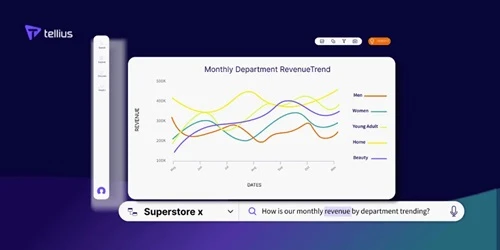
User-Friendly Interfaces: These interfaces often employ visual-based interaction models that allow users to manipulate data through point-and-click actions rather than code-based queries.Data Visualization Tools: Integrated tools for creating charts, graphs, and dashboards make it easier to interpret data and communicate findings effectively.Data Preparation and Integration: Self-service tools often include functionalities for cleaning, transforming, and integrating data from multiple sources, providing a comprehensive view without requiring technical expertise.Collaborative Features: Sharing insights and dashboards within the organization fosters collaboration and ensures that data-driven decisions are aligned across departments.Security and Governance: Despite the increased access, these tools incorporate robust security measures and data governance protocols to ensure data integrity and compliance with regulatory standards.Benefits of Self-Service Analytics
The adoption of self-service analytics offers numerous advantages:
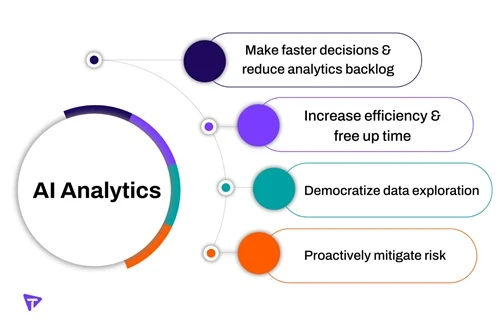
Enhanced Agility and Speed: By eliminating the dependency on IT for routine data requests, users can quickly obtain the information they need, leading to faster decision-making and a more agile response to market changes.Empowerment and Ownership: Users gain greater control over their data and analyses, fostering a sense of ownership and encouraging proactive problem-solving and innovation.Improved Decision Quality: Access to real-time data and analytics ensures that decisions are based on the most current and relevant information, reducing the risk of errors and improving overall decision quality.Cost Efficiency: Reducing the burden on IT resources allows these teams to focus on more complex and strategic tasks, potentially lowering operational costs associated with data analysis.Challenges and Considerations
While self-service analytics provides significant benefits, it also presents certain challenges that organizations must address:
Data Literacy: Ensuring that users have the necessary skills to interpret and use data correctly is crucial. This often requires ongoing training and support to build data literacy across the organization.Data Quality and Consistency: With more users accessing and manipulating data, maintaining high data quality and consistency becomes a critical concern. Implementing strong data governance policies is essential to mitigate this risk.Tool Selection and Integration: Choosing the right self-service analytics tools that align with the organization's needs and integrating them with existing systems can be complex. A careful evaluation and a phased implementation approach can help in smooth transitions.Cultural Shift: Promoting a data-driven culture requires a shift in mindset and practices. Leadership support and clear communication about the benefits and expectations of self-service analytics are key to successful adoption.The Future of Self-Service Analytics
As technology continues to advance, self-service analytics is poised to become even more powerful and accessible. The integration of artificial intelligence (AI) and machine learning (ML) capabilities will enable predictive analytics and more sophisticated data modeling, further enhancing the ability of users to derive insights and make proactive decisions. Additionally, as data literacy improves and organizations continue to embrace a data-driven culture, the full potential of self-service analytics will be realized, leading to more innovative, informed, and efficient business practices.
In conclusion, self-service analytics is revolutionizing how organizations leverage data, empowering users to take control of their own analyses and driving more timely, accurate, and strategic decisions. By overcoming the associated challenges and embracing the benefits, businesses can unlock significant value and maintain a competitive edge in an increasingly data-centric world.






























Sign in to leave a comment.