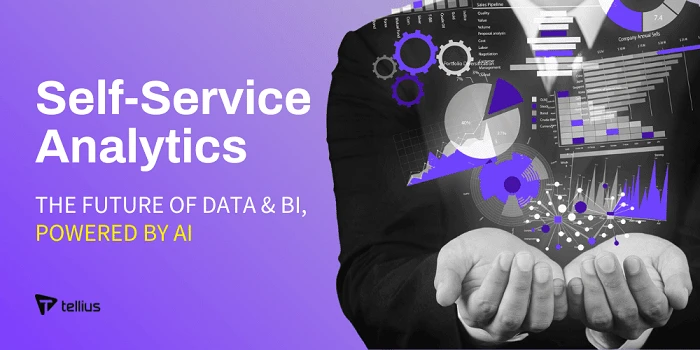

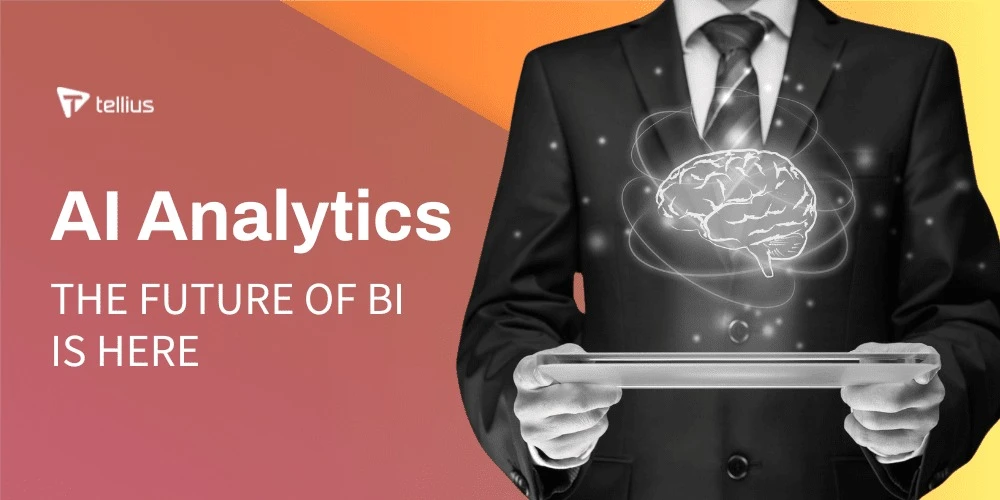
Data-driven decision-making is evolving rapidly with the advent of self-service analytics, which empower non-technical users to analyze data and generate insights without deep technical expertise. The future of this field is marked by increased accessibility, enhanced user experience, and the democratization of data, reshaping how organizations operate and compete.
Democratization of Data
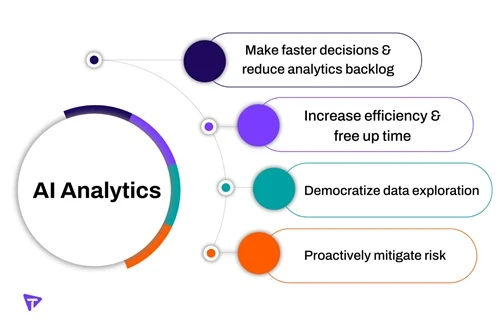
The primary driver of self-service analytics is the democratization of data. Traditionally, data analysis has been the domain of IT and data specialists. However, self-service analytics platforms are breaking down these barriers, allowing employees at all levels to access, interpret, and utilize data. This shift means decisions can be made more quickly and accurately, leveraging the collective knowledge and diverse perspectives within an organization. By enabling more people to interact with data, companies can foster a culture of data-driven decision-making, where insights are derived from a broad array of sources, leading to more innovative and effective strategies.
Advanced Technologies and Tools
Emerging technologies are crucial in the evolution of self service analytics. Artificial Intelligence (AI) and Machine Learning (ML) are becoming integral to these platforms, providing sophisticated analytical capabilities that were previously only accessible to data scientists. AI-driven analytics can automate complex data processes, such as data preparation, cleansing, and visualization, making it easier for users to derive insights. Predictive analytics, powered by ML, can help organizations forecast trends and make proactive decisions, enhancing strategic planning and operational efficiency.
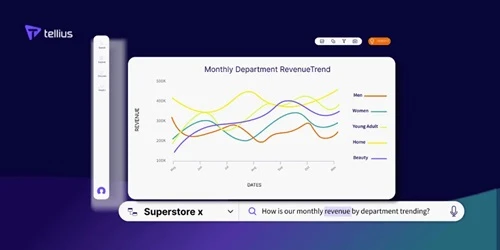
Natural Language Processing (NLP) is another significant advancement, allowing users to interact with data using natural language queries. This capability simplifies the user experience, enabling even those with no technical background to ask questions and get insights. As NLP technology improves, it will become even more intuitive, reducing the learning curve and expanding the accessibility of self-service analytics.
Improved Data Governance and Security
As self-service analytics become more prevalent, ensuring robust data governance and security is paramount. Future platforms will need to incorporate advanced governance frameworks that allow for seamless data access while maintaining strict controls to protect sensitive information. This includes role-based access controls, data encryption, and comprehensive audit trails. Enhanced governance ensures that data remains accurate, reliable, and secure, even as more users interact with it.
Data privacy regulations, such as GDPR and CCPA, also necessitate stringent compliance measures. Future self-service analytics platforms will need to embed compliance features, enabling organizations to manage data privacy requirements effectively. This integration will not only protect organizations from legal repercussions but also build trust with customers and stakeholders.
User Experience and Collaboration
The future of self-service analytics will see a significant focus on enhancing user experience (UX). Intuitive interfaces, interactive dashboards, and real-time collaboration features will be standard. These improvements will enable users to customize their analytical environment, making it more relevant and useful to their specific needs. Enhanced UX will reduce the dependency on IT departments for analytical tasks, promoting a more agile and responsive organizational culture.
Collaboration features will be pivotal in the future landscape. Self-service analytics platforms will likely incorporate social features, enabling users to share insights, comment on data findings, and collaborate on reports in real-time. This collaborative approach will ensure that insights are shared across departments, promoting a holistic view of the organization’s performance and driving more coordinated decision-making processes.
Integration with Other Systems
Integration capabilities will also define the future of self-service analytics. Seamless integration with other business systems, such as Customer Relationship Management (CRM), Enterprise Resource Planning (ERP), and marketing automation platforms, will allow for a more comprehensive analysis. By combining data from various sources, organizations can gain deeper insights and a more complete understanding of their operations and market dynamics. Future platforms will likely support extensive APIs and connectors, facilitating easy integration with a wide array of business applications.
Scalability and Adaptability
The scalability and adaptability of self-service analytics platforms will be crucial as organizations grow and their data needs evolve. Cloud-based solutions will dominate, providing the flexibility to scale resources up or down based on demand. This scalability ensures that organizations can handle increasing data volumes without compromising performance. Additionally, cloud-based platforms offer continuous updates and improvements, ensuring that users always have access to the latest features and capabilities.
Conclusion
The future of data-driven decision-making with self-service analytics promises to be transformative. By democratizing data access, leveraging advanced technologies, and focusing on user experience and collaboration, self-service analytics platforms will empower organizations to make more informed and timely decisions. Enhanced data governance and integration capabilities will ensure that these platforms remain secure, compliant, and adaptable to the changing needs of businesses. As these trends continue to evolve, organizations that embrace self-service analytics will be better positioned to thrive in an increasingly data-driven world.




























Sign in to leave a comment.