
Ever noticed how some small businesses seem to show up everywhere on Google, while others stay invisible, no matter how good they are? That gap basically lies in strategy.
If your website is getting traffic but not enquiries, or worse, no traffic at all, the problem usually isn’t your service. It’s how you’re showing up in search and what happens after someone clicks. That’s where smart SEO steps in.
This isn’t about chasing rankings for the sake of it. It’s about turning searches into real conversations, and those conversations into paying customers.
Let's get more about this!
Why Ranking Alone Doesn’t Bring Revenue
A lot of small businesses focus on one thing: getting to page one. But here’s the truth: ranking without intent is useless. You could be getting clicks, but if those visitors:
- aren’t your ideal customers
- don’t understand your offer
- don’t trust your business
They’ll leave without taking action. Effective SEO is not just about visibility. It’s about attracting the right people and guiding them toward a decision. That’s why modern SEO for small businesses in the UK is built around user intent, not just keywords.
Understanding What Your Customers Are Actually Searching
Before anything else, you need to get clear on how your customers think when they search.
There’s a big difference between:
- “What is SEO?”
- “best SEO agency near me”
One is curiosity, and the other is buying intent. Your strategy should focus on:
- service-based keywords
- local intent searches
- problem-solving queries
Here’s where a lot of small businesses go wrong. They chase after big, long-tail keywords instead of focusing on the ones that really bring in buyers. Smart SEO for small businesses means picking search terms that spark action, not just increase page views.
Building Pages That Convert, Not Just Attract
Getting someone to click is step one. What happens next is what drives revenue. Your website needs to answer three questions instantly:
- Am I in the right place?
- Can this business solve my problem?
- Can I trust them?
If your page doesn’t clearly communicate this, people bounce. Here’s what high-performing pages usually include:
- Clear headlines that match search intent
- Straightforward explanations (no jargon)
- Proof (results, testimonials, experience)
- A strong call to action
Think of your website like a salesperson. If it confuses people, they walk away. If it guides them clearly, they stay and convert.
The Role of Local SEO in Driving Real Customers
For most small businesses, your customers are nearby. Yet many ignore local optimisation completely. If someone searches:
- “plumber near me”
- “best dentist in [city]”
Google prioritises local results. If you’re not optimised for that, you’re invisible. Strong local seo for small businesses includes:
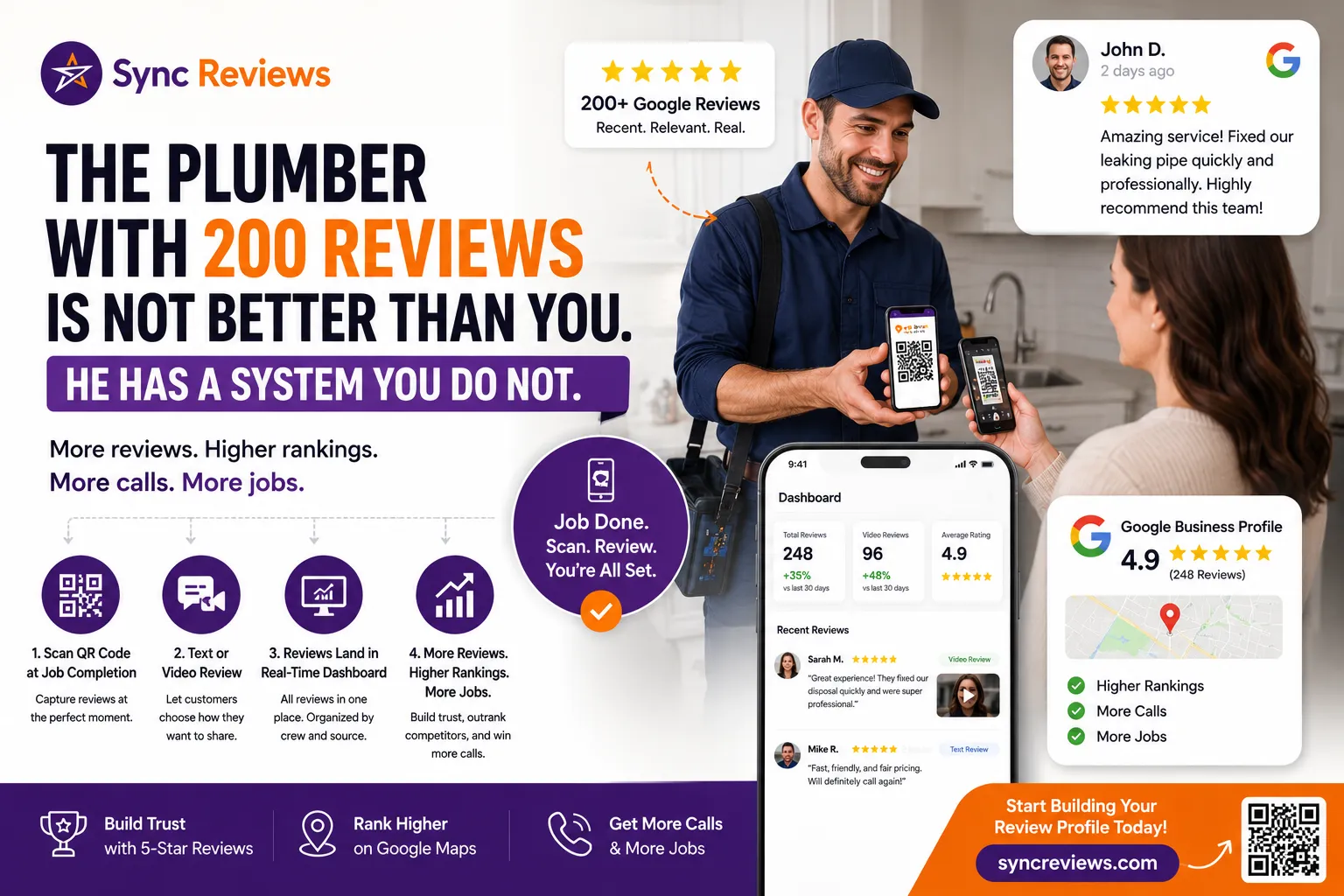
- optimised Google Business profile
- consistent business details across directories
- localised website content
- location-based keywords
This isn’t optional anymore. It’s the difference between getting calls and being overlooked.
Content That Builds Trust (Not Just Rankings)
Content isn’t about stuffing keywords into blogs. It’s about answering real questions your customers have. Think about:
- What your customers ask before hiring you
- What concerns they have
- What they compare before deciding
When your content addresses these, you position yourself as the obvious choice. For example:
- service guides
- pricing breakdowns
- comparison posts
- problem-solving blogs
This is where SEO for small businesses becomes a long-term asset. Your content keeps working even when you’re not.
Turning Traffic Into Leads: What Most Businesses Miss
Here’s where things usually break down. You may be getting traffic, but no conversions will occur unless you direct users towards the right direction.
Common mistakes include:
- lack of a clear call to action.
- there are too many distractions on the page.
- slow loading speed
- no trust signals
To fix this:
- Make your CTA clear (call, form, booking)
- Stick to a simple and focused design.
- Include proof (testimonies, case outcomes)
- Ensure mobile usability
- SEO attracts individuals, and your website makes the sale.
Why Consistency Matters More Than Quick Wins
SEO isn’t a one-time fix. It’s an ongoing process. Search behaviour changes, competitors improve, and Google updates its algorithm.
Businesses that win are the ones that:
- continuously publish content that’s actually useful
- update and refine their pages over time
- keep track of performance and take actions accordingly
So, we can say that small business SEO services are all about long-term growth. No doubt, tricks and shortcuts can also work a bit, but the real progress needs steady and strategic effort.
The Power of Combining SEO with Buyer Intent
When your SEO is in line with the real decision-making process of people, everything is different. Instead of:
- random traffic
- low engagement
- poor conversions
You start seeing:
- Qualified leads
- higher enquiry rates
- better ROI
This happens when:
- your keywords coincide with the actual need.
- your content is an answer to actual questions.
- your pages lead the users to action.
This is what makes the difference between “doing SEO” and using SEO as a growth tool.
What Results Should You Expect?
A solid SEO plan won’t work overnight, but you’ll start to see real progress pretty fast. In those first few months, you can expect:
- improved keyword visibility
- gradual traffic increase
- better engagement on your site
Over time:
- more consistent enquiries
- higher-quality leads
- stronger brand credibility
If you get local SEO right as a small business, you’re not just chasing website clicks. You’re building a steady flow of real clients.
Why Professional SEO Makes the Difference
You may attempt to do it all yourself; however, SEO has many moving parts:
- technical optimisation
- keyword research
- content strategy
- performance tracking
The absence of any of them can limit results. This is why most companies prefer collaborating with professionals who know:
- How search intent works
- How to structure content for conversions
- How to adapt strategies based on data
Experienced small business seo services don’t just improve rankings, but they focus on outcomes that impact revenue.
Conclusion
At the end of the day, SEO isn’t about algorithms. It’s about people. When someone searches, they’re looking for a solution. If your business shows up with the right message at the right time, you win that opportunity.
The goal isn’t just to be seen. It’s to be chosen. When your strategy combines:
- intent-driven keywords
- strong local presence
- clear, conversion-focused content
You move from hoping for leads to generating them consistently. That’s what effective SEO agency for small businesses in the UK should do: bring in people who are already looking, and turn that attention into actual paying work.




















Sign in to leave a comment.