
Iron deficiency is one of the most common nutritional gaps in children. You’ll see it more in picky eaters, fast-growing kids, or those living mostly on milk.
The tricky part? It’s not just “low energy.” It can show up as poor focus, mood swings, getting sick often, or slower development. That’s when doctors suggest supplements.
But here’s where many parents get stuck:
Not every iron supplement works the same way. And not every child responds well to the same format.
This guide breaks down what actually matters when choosing a supplement, based on how these products perform in real use, not just what labels claim.
How to Identify If Your Child Needs an Iron Supplement
Before choosing a product, it’s important to know if your child really need the one. Common signs include:
- Fatigue or low stamina
- Pale skin
- Poor concentration
- Frequent infections
- Slow weight gain
That said, symptoms alone aren’t enough. A pediatrician may recommend a blood test to check hemoglobin and ferritin levels. If supplementation is advised, the next step is choosing the right form: liquid or tablets.
Liquid vs Tablets: What Works Better for Children
Most parents start with tablets, but tablets come with a few practical issues. They’re hard to swallow. They often leave a metallic aftertaste. And in many cases, they upset the stomach.
Liquid forms of supplements solve most of these problems.
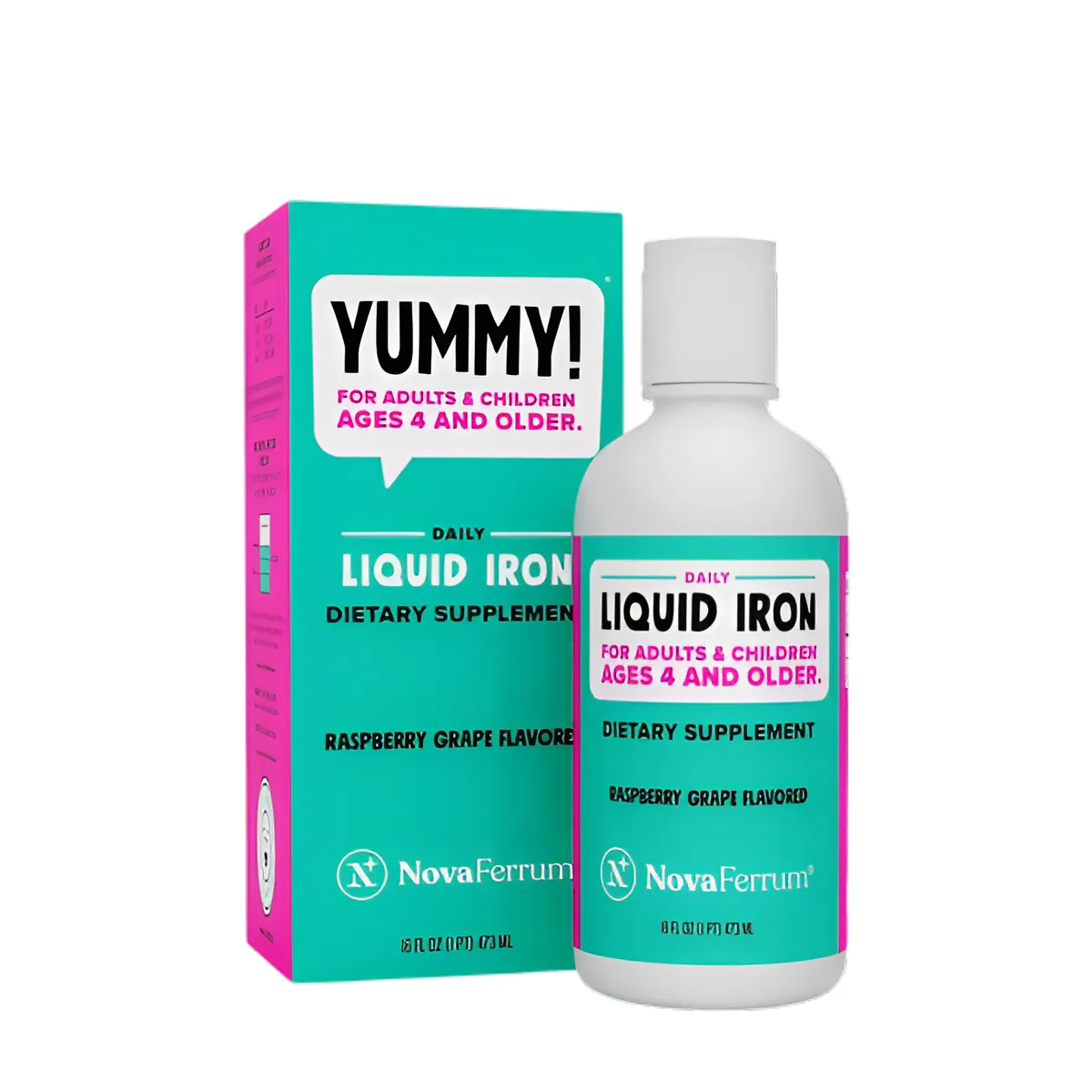
A Liquid Iron Supplement for Kids and Adults is easier to measure, easier to take, and more adaptable across age groups. For younger children, especially, liquid options tend to improve consistency because there’s less resistance at every dose.
Consistency matters more than anything else here. A supplement only works if it’s taken daily.
What to Check Before Buying an Iron Supplement
Here’s what you should pay attention to before choosing the Iron supplement:
1. Type of Iron Used
This is where many products differ. Some use iron salts (like ferrous sulfate). These are effective but often cause side effects such as nausea or constipation.
Others use forms like polysaccharide iron complex. This type is designed to be gentler on the digestive system while still supporting iron levels.
For children who’ve had issues with iron before, this difference matters.
2. Taste and Acceptance
If your child refuses the supplement, the formulation doesn’t matter. Many iron products have a strong metallic taste. That’s one of the main reasons doses get skipped.
Look for:
- Mild fruit-based flavors
- No lingering aftertaste
- No added sugar overload
A well-made, yummy liquid iron supplement removes this barrier. When taste improves, compliance improves.
3. Ingredient Profile
Parents nowadays are paying closer attention to labels, and that’s really a smart move.
You should check for:
- No artificial dyes
- No alcohol
- No unnecessary fillers
- Low-sugar or sugar-free options
If you see that the product’s been tested by a third party, take note. That means someone outside the company has double-checked the quality; it’s not just the brand’s word for it.
4. Age-Based Dosing
Kids don’t need as much iron as adults. The best supplements clearly guide the right dose for each age group.
For example:
- Young kids need less iron each day
- Teens usually need more when they hit growth spurts
Skip any supplement that offers a generic dose with no age-specific directions.
5. Tolerance and Side Effects
Iron supplements are known for causing discomfort. This is one of the biggest reasons parents stop giving them.
Common side effects include:
- Stomach pain
- Constipation
- Nausea
A Liquid Iron Supplement designed for better tolerance can reduce these issues. It won’t make them disappear completely, but you’re less likely to run into problems when the formula is easier to digest.
How to Give Iron for Better Absorption
Even the highest-quality supplement won’t do much if you don’t take it right. Here are a few straightforward tips:
- Do not give iron with milk or calcium-rich foods
- Don’t combine it with tea or coffee
- Pair it with vitamin C (like orange juice) for better absorption
- Try to stick to the same time every day
Just making these little changes can really help your body get the most out of the iron you’re taking.
Common Mistakes Parents Make
A lot of parents get the basics right but still run into issues because of a few easy-to-miss mistakes.
Switching Products Too Quickly
Iron levels don’t improve overnight. It can take a few weeks to notice changes and longer to restore levels fully. Switching products too often interrupts progress.
Focusing Only on Iron Strength
Higher doses don’t always mean better results. If a child refuses to take it or experiences side effects, even a strong supplement becomes ineffective.
Ignoring Daily Consistency
Missing doses reduce the impact of supplementation. This is why ease of use matters just as much as formulation.
What Improvement Looks Like
When your child takes the supplement regularly, and it works for them, you’ll probably notice some changes, such as:
- Better energy during the day
- Improved focus
- Reduced irritability
- Healthier overall appearance
At first, these shifts are pretty subtle, but give it some time, and you’ll see them become more obvious.
Why Many Parents Are Switching to Liquid Formats
The shift toward liquid supplements isn’t random. They fit better into real life. They’re easier to take, easier to measure, and you can adjust the dose without overthinking it. And unlike many tablets, you don’t have to deal with bad taste or that heavy feeling in your stomach.
Final Takeaway
Choosing an iron supplement for your child isn’t just about reading the label. It’s about how the product performs in daily use.
Look for something your child can take without resistance, that fits easily into your routine, and that supports gradual, steady improvement.
Because in the end, the right supplement isn’t the strongest one on paper. It’s the one your child actually takes, every single day.



























Sign in to leave a comment.