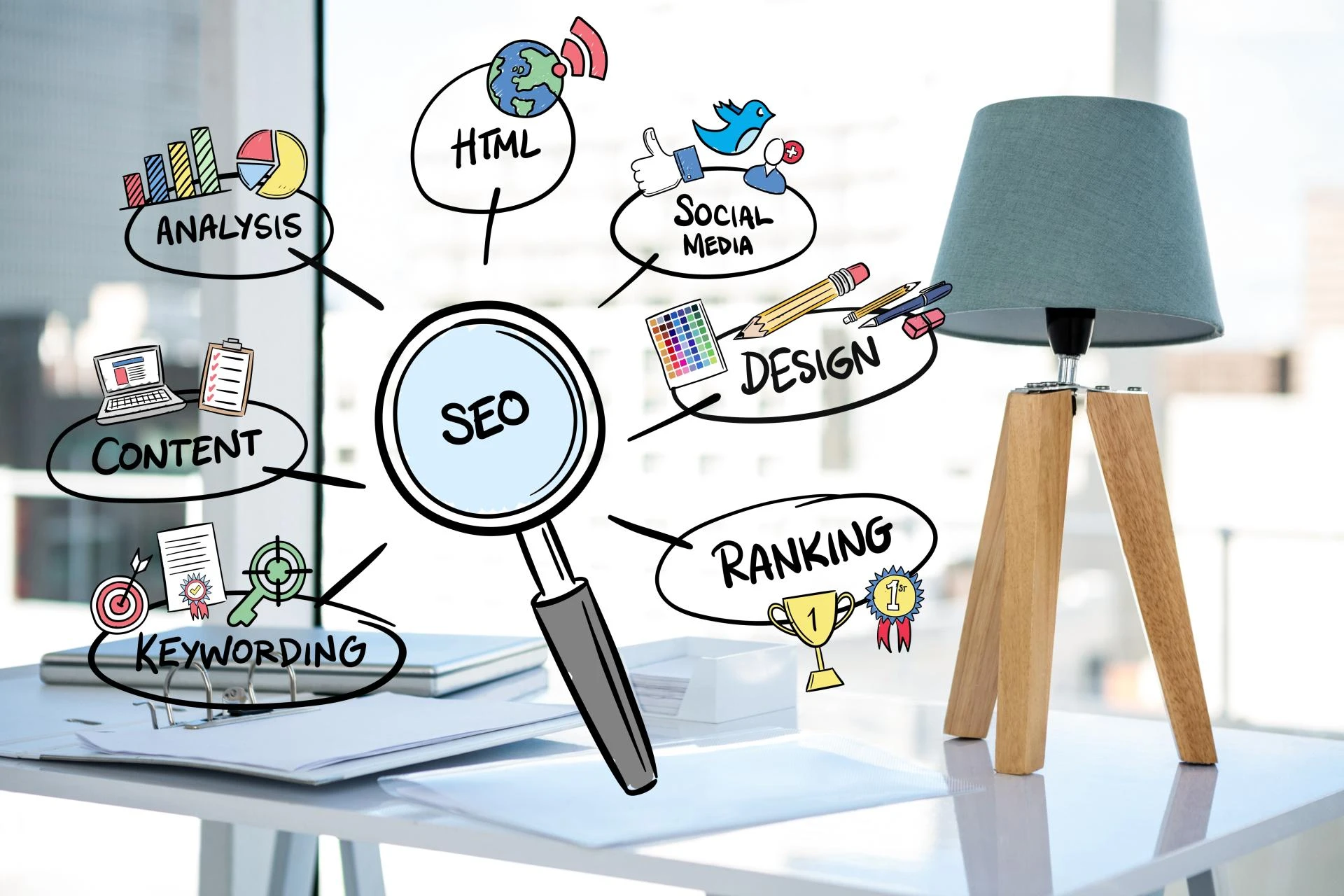

In today’s competitive digital world, businesses rely heavily on SEO services to stand out in search results. These professional services help websites attract organic traffic, improve visibility, and convert visitors into loyal customers. Yet not all SEO services deliver the same results. Some strategies skyrocket rankings and revenue, while others lead to penalties, traffic drops, or wasted effort.
This guide breaks down exactly what works in SEO services, what fails, and—most importantly—why. You will discover research-backed insights, practical examples, and actionable tips tailored for 2026’s AI-driven search landscape. Whether you run a small business or manage a large site, understanding these realities helps you make smarter decisions and achieve sustainable growth.
What Are SEO Services and Why They Matter in 2026
SEO services encompass a full range of activities designed to improve a website’s position in search engines like Google. These include keyword research, content creation, technical fixes, and link building—all aimed at matching user search intent and delivering value.
Organic search still drives 53% of all website traffic, far outpacing social media by 1,000%. However, recent data shows organic traffic dipped 2.5% year-over-year in 2025 due to AI Overviews and zero-click searches. This shift makes high-quality SEO services more critical than ever. Sites that adapt thrive, while those stuck in old tactics lose ground.
Moreover, Google rolled out multiple core updates in 2025 (March, June, and December), plus spam updates. These changes reward E-E-A-T—Experience, Expertise, Authoritativeness, and Trustworthiness—while penalizing low-value or manipulative practices. Therefore, effective SEO services now focus on genuine user help rather than shortcuts.
Key Components of Effective SEO Services
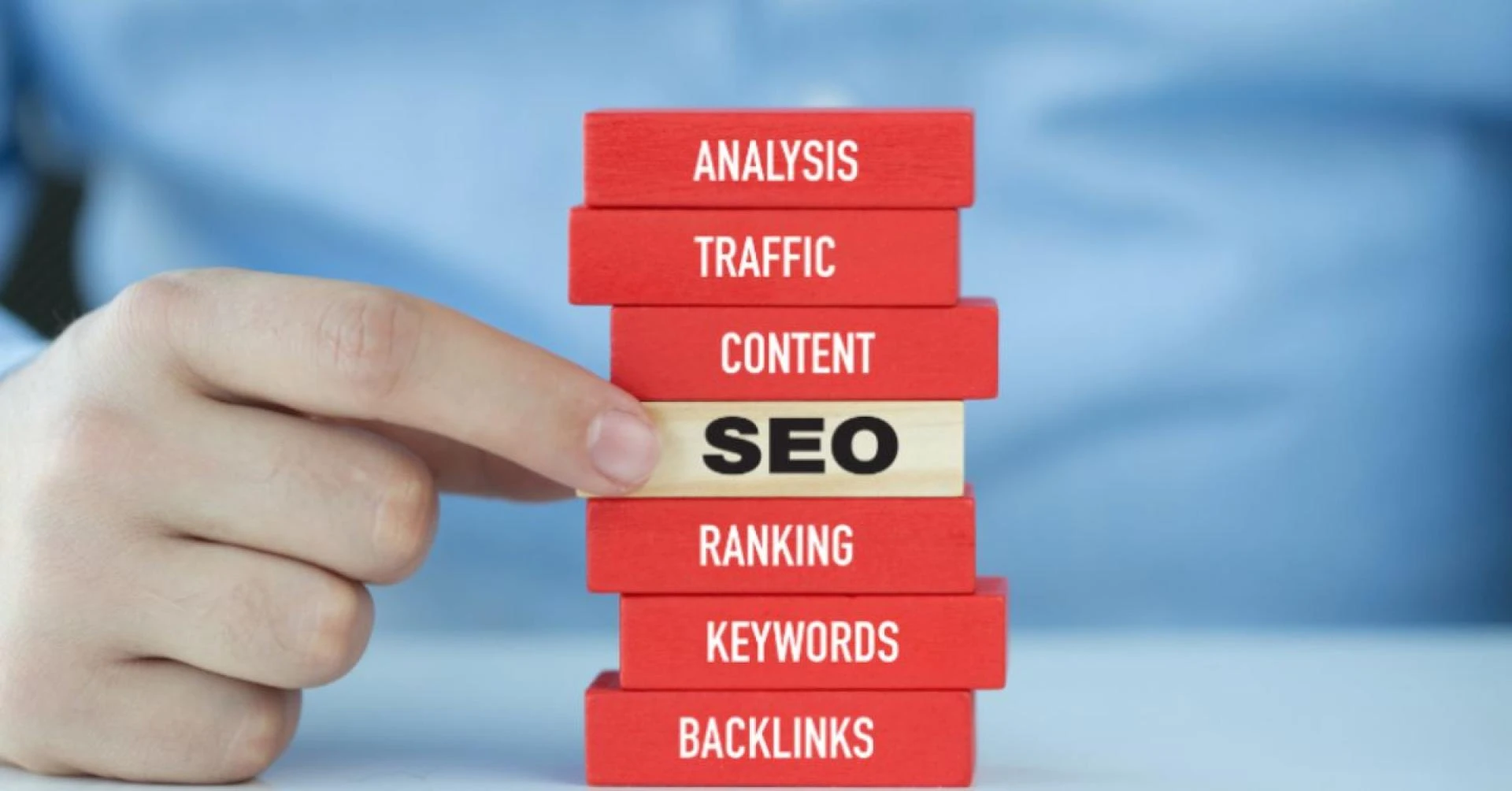
Successful SEO services rest on four pillars. Each plays a vital role in 2026’s algorithm.
- On-page SEO optimizes individual pages with relevant titles, meta descriptions, headings, and content that matches search intent.
- Technical SEO ensures fast loading, mobile-friendliness, proper schema markup, and strong Core Web Vitals scores.
- Off-page SEO builds authority through ethical link building and brand mentions across the web.
- Content strategy creates helpful, original material that demonstrates real expertise.
When these elements work together, they form powerful content clusters—interlinked topic groups that establish topical authority.
Research-backed note: Pages in the top three organic positions capture 68.7% of clicks. Strong technical SEO and on-page SEO often decide who lands there.
Proven Strategies: What Works in SEO Services
Certain approaches consistently deliver results because they align with Google’s priorities and user behavior. Here are the top performers:
- Intent-first content creation – Write for what users truly want, not just keywords.
- E-E-A-T signals – Showcase author bios, real data, and firsthand experience.
- Technical excellence – Prioritize page speed under three seconds and flawless mobile experience.
- AI Overview optimization – Structure content for easy citation in Google’s AI summaries.
- Regular content updates – Refresh old pages with fresh insights and new statistics.
2026 SEO Trends You Must Follow (numbered list for clarity):
- Search Everywhere Optimization – Optimize for Google, AI tools, YouTube, and social search.
- Zero-click readiness – Answer questions directly so users still engage with your brand.
- Entity and brand authority – Build consistent mentions across trusted sites.
- Structured data mastery – Use schema to help search engines understand your content.
- User experience as ranking factor – Reduce bounce rates with clear navigation and fast load times.
Additionally, content clusters around core topics boost rankings faster than scattered posts. One B2B company that built focused clusters around industry problems saw a 65% rise in organic sessions within months.
| Aspect | What Works | What Fails | Why It Matters |
|---|---|---|---|
| Content Quality | Original, experience-backed pieces | Thin or AI-generated spam | Google rewards helpfulness |
| Technical Setup | Fast, mobile-first sites | Slow pages and broken links | Core Web Vitals directly impact rankings |
| Link Building | Natural, relevant links | Paid or low-quality schemes | Spam updates hit hard |
| Keyword Strategy | Intent-matched long-tail phrases | Stuffing exact matches | Algorithms detect manipulation |
| AI Readiness | Structured, citable content | Generic keyword pages | AI Overviews now appear in 55% of searches |
Common Pitfalls: What Fails in SEO Services and Why
Many SEO services fail because they ignore how search engines have evolved. Here are the biggest mistakes:
- Keyword stuffing – Forcing phrases unnaturally makes content unreadable and triggers penalties.
- Ignoring search intent – Ranking for a query without solving the user’s problem leads to high bounce rates.
- Low-quality or duplicate content – Google’s Helpful Content updates demote thin material.
- Neglecting technical SEO – Slow sites or poor mobile optimization lose traffic instantly.
- Black-hat tactics – Cloaking, hidden text, or bought links result in sudden drops.
Real-world example: Major retailer JCPenney once used aggressive link schemes and lost millions in organic traffic overnight after a Google penalty. Similarly, BMW faced public embarrassment and ranking loss for cloaking. These cases prove that shortcuts backfire fast.
Furthermore, over-reliance on pure AI content without human editing fails because algorithms now detect lack of originality. In 2025, sites that published mass AI-generated pages without edits saw sharp declines after core updates.
Real-World Case Studies: Successes and Failures
Consider an e-commerce brand that shifted to intent-first content clusters and technical SEO improvements. Organic traffic grew 472% after they focused on AI-optimized, experience-rich pages. Revenue followed because visitors found exactly what they needed.
On the flip side, a large publisher ignored E-E-A-T and published generic listicles. After Google’s 2025 updates, traffic fell 40%. The team later recovered by adding author expertise and updating every page with fresh data.
These examples show that SEO services succeed when they treat optimization as a long-term investment in quality and user value.
Practical Tips for Maximizing Your SEO Services
Follow these steps to build or improve your SEO services approach:
- Audit your site monthly for Core Web Vitals and fix issues quickly.
- Create content clusters around your top five customer questions.
- Monitor organic traffic sources and focus efforts on high-intent keywords.
- Add structured data and clear author information to every important page.
- Track performance beyond traffic—measure conversions and engagement.
Pro tip: Combine on-page SEO with strong internal linking. This keeps users on your site longer and signals authority to Google.
FAQ About SEO Services
What exactly do SEO services include?
SEO services typically cover keyword research, on-page and technical optimization, content creation, link building, and ongoing performance tracking. The best providers focus on sustainable, white-hat methods that align with search intent.
How can I tell if my SEO services are working?
Look for steady growth in organic traffic, improved keyword rankings, lower bounce rates, and higher conversions. Tools like Google Search Console reveal these trends clearly.
Why do some SEO services fail even after months of effort?
Failure often stems from ignoring algorithm updates, poor E-E-A-T, or tactics that clash with search intent. Google’s 2025 core and spam updates punished many such efforts.
What makes SEO services effective in the AI era?
Effective SEO services prioritize helpful, structured content that answers questions directly and earns citations in AI Overviews while maintaining strong technical foundations.
Conclusion
SEO services remain one of the most powerful ways to grow your online presence, but only when executed with strategy and care. What works in 2026 centers on quality, user focus, and adaptability to AI-driven search. What fails usually involves shortcuts, outdated tactics, or ignoring search intent.
Take action today. Audit your website for technical SEO gaps, review your content against E-E-A-T standards, and build content clusters that truly help your audience. The businesses that embrace these principles will see stronger organic traffic, better rankings, and lasting success. Start small, stay consistent, and watch your results improve. The digital landscape rewards those who prioritize value—make sure your SEO services do the same.


























Sign in to leave a comment.