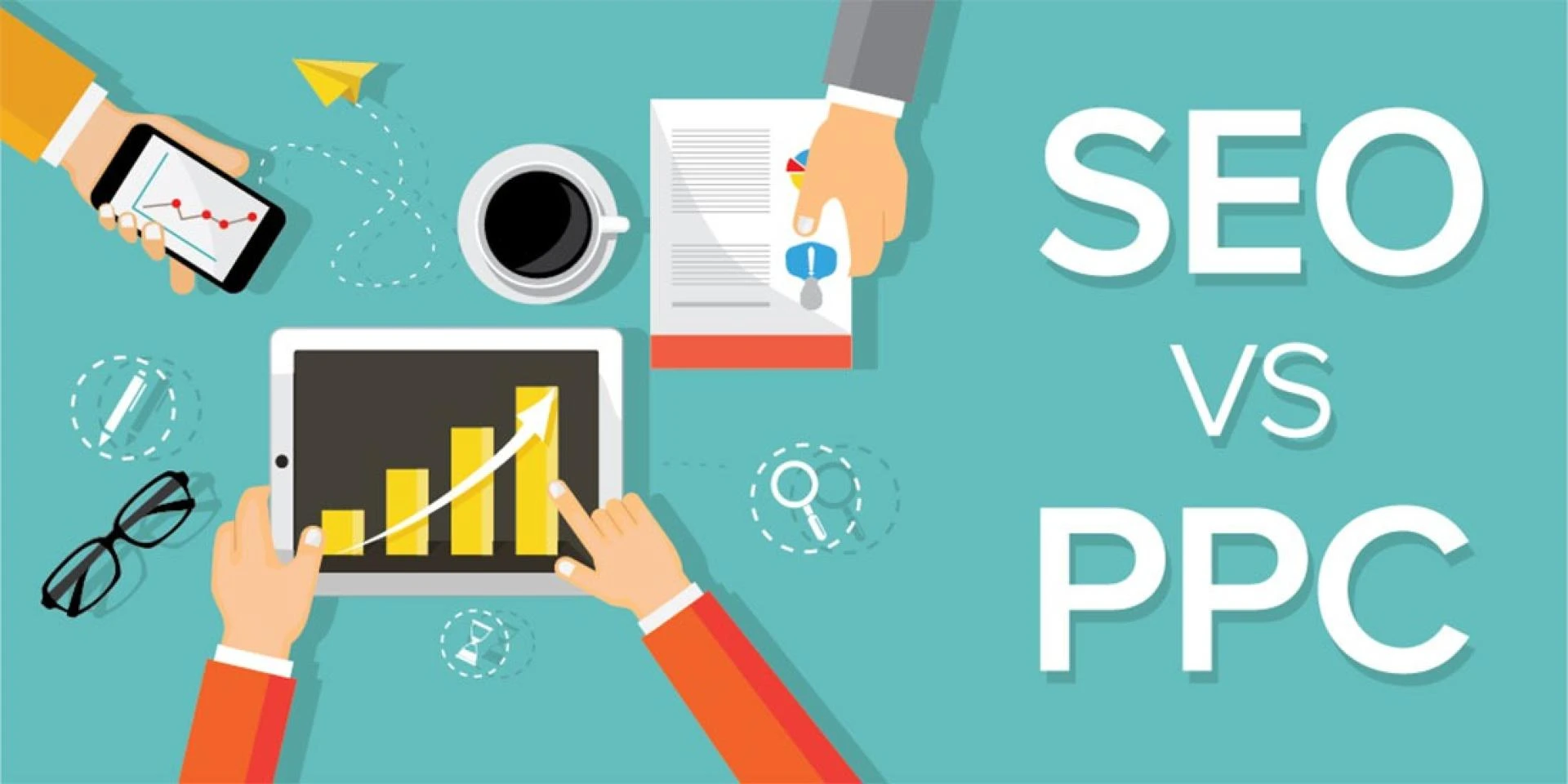

Businesses are always seeking ways to improve their online visibility and succeed in digital marketing.
SEO (Search Engine Optimization) and Google Ads are two of the most well-known tools and techniques that are currently available.
Each has pros and cons, and businesses that want to reach their target audience need to choose between them quickly. To help you achieve your digital marketing objectives, this in-depth guide will dive into the world of SEO and Google Ads.
Understanding Digital Marketing
All online techniques and tactics employed by firms to promote their products or services are referred to as digital marketing. It leverages the internet, social media, search engines, and other online platforms to connect with a global audience.
The Importance of Digital Marketing
In today's digital age, businesses must have a robust digital marketing strategy in place to remain competitive. It allows them to reach their target audience effectively and drive conversions. A well-crafted digital marketing strategy not only enhances a company's visibility but also enables them to engage with potential customers on platforms they frequent. It's a powerful tool for building brand recognition, fostering customer loyalty, and ultimately, achieving sustained business growth in the digital era.
The Power of SEO
What Is SEO?
The technique of boosting a website's ranking in search engine results pages (SERPs) is known as search engine optimization (SEO). It involves various techniques aimed at improving a website's visibility to potential customers.
Benefits of SEO
Increased Organic Traffic: SEO enhances a website's visibility in organic search results, leading to higher organic traffic.
Cost-Effective: Compared to paid advertising, SEO is a cost-effective strategy in the long run.
Credibility and Trust: Users frequently consider websites that rank high in search results as more trustworthy and reputable.
Long-Term Results: SEO efforts can provide long-term benefits, maintaining high rankings over time.
The Role of Keywords
Keyword Research: An essential part of SEO involves thorough keyword research to identify the terms and phrases potential customers use to search for products or services.
On-Page Optimization: Integrating target keywords strategically into website content, meta tags, and headers.
Off-Page Optimization: Building quality backlinks and references from reputable websites to improve SEO.
Ad Copy and Google Ads
Ad Copy in Google Ads
Understanding Ad Copy: Ad copy is the text within a Google Ads campaign that entices users to click on the ad. It's a critical element for conversions. Effective ad copy not only grabs the user's attention but also communicates the value proposition and relevance of the ad. Crafting compelling and concise ad copy is essential for driving clicks and, ultimately, achieving your campaign's conversion goals, especially with the assistance of Google Adwords Management Services.
Creating Effective Ad Copy: Crafting compelling and concise ad copy is crucial for Google Ads' success.
The Power of Paid Ads
Immediate Results: Google Ads deliver instant visibility and can drive immediate traffic to your website.
Targeted Advertising: Google Ads allow you to reach a specific audience based on demographics, interests, and search intent.
Control Over Budget: You have complete control over your ad budget, ensuring you don't overspend.
Conversion Tracking: Google Ads provides detailed insights into conversions, helping you assess your ROI.
Negative Keywords in Google Ads
Understanding Negative Keywords
Defining Negative Keywords: Negative keywords are terms you specify not to trigger your ads, ensuring your ads are shown to the most relevant audience.
Reducing Wasted Clicks: Implementing negative keywords prevents your ads from showing to users who are unlikely to convert.
Crafting Your Marketing Strategy
Digital Marketing Strategy
The Hybrid Approach: Combining SEO and Google Ads can create a powerful synergy in your marketing strategy.
Understanding Your Target Audience: Knowing your audience is the cornerstone of a successful strategy.
Budget Allocation: Decide how to allocate your budget between SEO and Google Ads based on your goals and audience.
Measuring Success: Utilize analytics tools such as Google Analytics to track the performance of your campaigns.
Google Ads Management Services
Leveraging Google Ads Agencies
The Role of Agencies: Google Ads agencies specialize in managing your campaigns, optimizing ad spend, and maximizing ROI.
Choosing the Right Agency: Selecting a reputable agency is crucial for the success of your Google Ads campaigns.
The Importance of Landing Pages
Optimizing Landing Pages
Landing Page Design: Ensure your landing pages are well-designed, user-friendly, and aligned with your ad copy.
Conversion-Focused Content: Landing page content should guide users toward taking a specific action, such as making a purchase or filling out a contact form.
Cost Per Click and Budgeting
Analyzing Cost Per Click
Cost Per Click (CPC): Understand how CPC affects your ad spend and budget allocation.
Setting a Realistic Budget: Determine your budget while considering the CPC of your chosen keywords.
Conversion Tracking
The Role of Conversion Tracking
Defining Conversions: Identify the actions on your website that indicate a successful conversion, whether it's a sale, lead, or download.
Setting Up Conversion Tracking: Implement tracking codes to monitor and measure conversions.
Google Analytics: Your Insightful Companion
Utilizing Google Analytics
The Power of Data: Google Analytics offers valuable insights into user behavior, website performance, and campaign effectiveness.
Continuous Improvement: Leverage data from Google Analytics to refine and optimize your digital marketing strategies.
SEO vs. Google Ads: A Comprehensive Comparison
Budget Considerations: SEO often requires a longer-term investment, while Google Ads can provide more immediate results.
Visibility and Ranking: SEO aims to improve organic rankings, while Google Ads secures prominent placements through paid advertising.
Audience Targeting: Google Ads offer more precise targeting options based on user intent, demographics, and interests.
Long-Term vs. Short-Term: SEO builds long-term credibility, while Google Ads are excellent for short-term campaigns.
Control Over Spend: Google Ads allow for precise budget control, while SEO costs can be less predictable.
Adwords Management Agency: Streamlining Your Campaigns
Benefits of Hiring an Adwords Management Agency
Expertise and Experience: Adwords management agencies bring in-depth knowledge and experience to the table.
Time and Resource Savings: Outsourcing ad management frees up your time and resources for other business operations.
Optimized Campaigns: Agencies continuously fine-tune their campaigns for maximum performance.
Conclusion
The choice between SEO and Google Ads hinges on your business goals, budget, and target audience. While SEO offers long-term benefits and credibility, Google Ads deliver immediate results and precise audience targeting. To maximize your online success, consider combining both strategies, leveraging the strengths of each. Ultimately, understanding your audience, monitoring your budget, and analyzing campaign data are key to making informed decisions in the ever-competitive digital marketing landscape. Collaborating with an adwords management agency can also provide valuable insights and expertise in optimizing your campaigns.
FAQs
What is the primary difference between SEO and Google Ads?
SEO (Search Engine Optimization) involves optimizing your website to rank organically in search engine results, while Google Ads is a paid advertising platform where you pay for clicks on your ads.
Which strategy is more cost-effective, SEO, or Google Ads?
SEO is a long-term investment with a slower ROI, while Google Ads can provide quicker results but can be more expensive over time. The cost-effectiveness depends on your goals and budget.
How long does it take to see results with SEO and Google Ads?
SEO typically takes several months to see noticeable results, whereas Google Ads can generate immediate traffic. The timeframe depends on competition, keywords, and other factors.
Which strategy offers better targeting options for specific audiences?
Google Ads provides more precise targeting options, allowing you to reach specific demographics and locations, and even retarget past website visitors. SEO relies on optimizing content for search engines and may not be as targeted.
Can I use both SEO and Google Ads in my digital marketing strategy?
Yes, many businesses use a combination of both strategies to maximize their online presence. This approach allows you to capture both organic and paid traffic.


























Sign in to leave a comment.