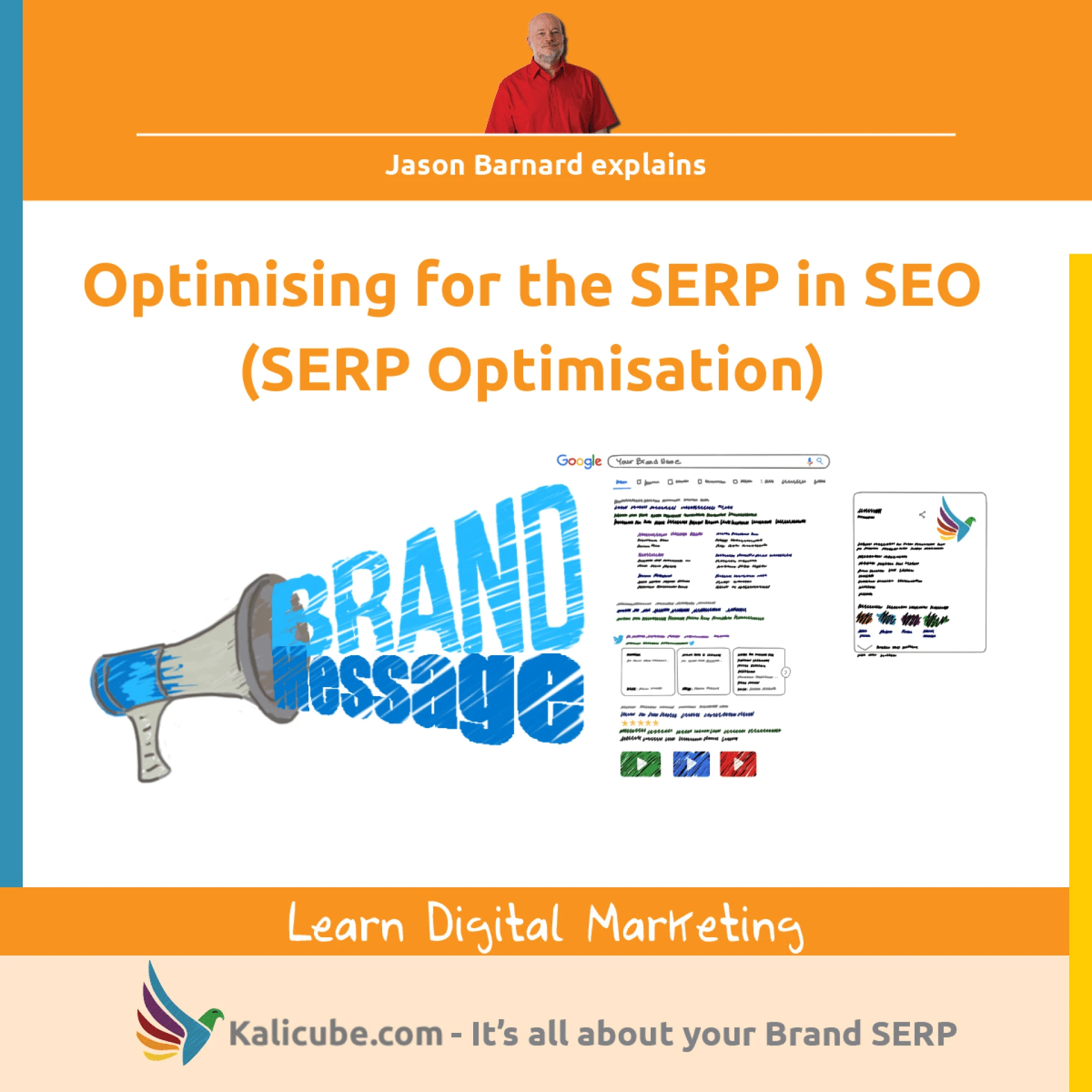

SERP, which stands for Search Engine Results Page, refers to the page that a search engine like Google displays when a user enters a query. This page typically includes a list of search results along with various elements such as ads, featured snippets, knowledge panels, images, videos, and more. Understanding SERP and its importance for SEO (Search Engine Optimization) is crucial for digital marketers and website owners aiming to improve their online visibility. Here\'s why:
Visibility: Appearing on the first page of SERPs significantly increases your website\'s visibility to potential visitors. Research shows that the majority of users rarely go beyond the first page of search results, so being listed on the first page greatly improves your chances of getting clicks and traffic.
Traffic: Higher rankings in SERPs generally lead to increased organic traffic to your website. Users are more likely to click on websites that appear at the top of the results page, especially if they perceive those sites as authoritative and relevant to their query.
Credibility and Trust: Websites that consistently rank well in SERPs are often perceived as more credible and trustworthy by users. Appearing on the first page suggests to users that your website is relevant and authoritative in its niche or industry.
User Experience: Search engines like Google prioritize delivering the most relevant and valuable results to users. Therefore, by optimizing your website\'s content and structure to rank higher in SERPs, you\'re also enhancing the overall user experience by providing users with the information they\'re seeking more effectively.
Competitive Advantage: A higher ranking in SERPs gives you a competitive advantage over other websites vying for the same audience and keywords. By outperforming competitors in search results, you can attract more traffic, leads, and potential customers to your site.
Insight into User Intent: Analyzing SERP features such as featured snippets, related questions, and "People also ask" sections can provide valuable insights into user intent and the types of content that resonate best with your target audience. This information can help you tailor your SEO strategy and content creation efforts to better meet user needs.
Adaptation to SERP Features: SERPs are constantly evolving, with search engines introducing new features and formats to better serve user queries. Understanding these features and adapting your SEO strategy accordingly can help you stay ahead of the competition and capitalize on emerging opportunities, such as optimizing for featured snippets or voice search results.
In summary, SERP plays a crucial role in determining the visibility, credibility, and success of a website in the digital landscape. By optimizing your website to rank higher in SERPs, you can attract more organic traffic, enhance user experience, and gain a competitive edge in your industry.
Check more related articles here:https://linktr.ee/digitallineup



























Sign in to leave a comment.