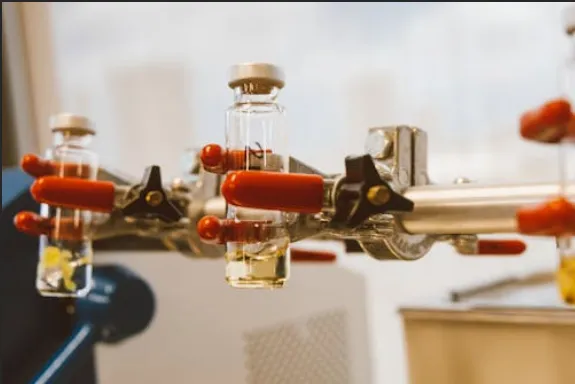

Modern bioprocessing is shifting toward more controlled and scalable systems. Serum-free media, once used in limited cases, are now being adopted more widely across cell therapy and vaccine manufacturing. This shift is driven by the need for consistency, regulatory clarity, and reliable performance at scale.
As workflows move toward clinical and commercial stages, undefined inputs like serum are becoming harder to justify. Serum-free media offers a more controlled alternative, helping reduce variability and improve reproducibility. Understanding how and why adoption is increasing can help teams make better decisions as processes evolve.
Top 7 Serum-Free Media Adoption Trends in Cell Therapy and Vaccine Manufacturing
1. Rapid Replacement of Serum-Based Media in Clinical-Stage Workflows
One of the clearest trends is the steady replacement of serum-based systems as processes move closer to clinical use. While early research may still rely on serum for flexibility, clinical-stage workflows demand consistency. Serum-free media is increasingly used to remove variability that cannot be fully controlled or documented.
As a result, teams are transitioning earlier in development to avoid delays during scale-up. This shift is especially visible in cell therapy pipelines, where reproducibility directly affects therapeutic outcomes and aligns closely with the use of controlled biomanufacturing reagents.
2. Increasing Standardization in GMP Manufacturing Environments
In regulated manufacturing, consistency is not optional. Serum-free media is being adopted more widely because it provides a defined composition that supports traceability and batch-to-batch reliability.
Manufacturers are moving toward standardized laboratory reagents that simplify validation and reduce risk during audits. This trend reflects a broader shift toward controlled inputs sourced from reliable systems, often through a trusted lab reagent store that ensures quality and consistency across production batches.
3. Faster Adoption Across Expanding Cell and Gene Therapy Pipelines
The rapid growth of cell and gene therapy pipelines is accelerating the adoption of serum-free media. As more therapies enter clinical trials, the need for stable and controlled culture conditions becomes critical.
Therapeutic cells are highly sensitive to their environment. Variability in serum can affect cell function and potency. To address this, developers are increasingly choosing defined media and well-characterized biomanufacturing reagents early in development to support consistent results across all stages.
4. Strong Shift Toward Xeno-Free and Animal-Free Media Systems
Safety concerns and regulatory expectations are driving a clear move away from animal-derived components. Serum introduces risks related to contamination and variability, which are difficult to manage at scale.
As a result, adoption is expanding toward xeno-free systems built on serum-free media and compatible laboratory reagents. This transition supports safer clinical applications and improves global regulatory acceptance, especially for therapies intended for human use.
5. Integration with Scalable and Automated Bioprocessing Systems
Modern biomanufacturing is becoming more automated and closed. Serum-free media fit naturally into these systems because they provide predictable and stable inputs.
As companies invest in scalable infrastructure, they are also aligning their workflows with high-quality biomanufacturing reagents that perform consistently in bioreactors and automated systems. Many teams now rely on specialized lab reagent store solutions to maintain uniformity across large-scale operations.
6. Growing Preference for Media That Simplifies Regulatory Approval
Regulatory agencies are placing greater emphasis on transparency and control over raw materials. Serum-free media is being adopted because it simplifies documentation and reduces uncertainty during review.
Defined formulations make it easier to demonstrate consistency across laboratory reagents, while also supporting the validation of related inputs such as diagnostic reagents used in quality control and testing processes. This helps streamline approvals and reduces regulatory friction.
7. Expanding Use in Vaccine and Viral Vector Manufacturing
Vaccine production and viral vector systems are also seeing increased adoption of serum-free media. These applications require high levels of consistency, especially during large-scale production.
Serum can introduce variability that affects viral yield and downstream processing. By switching to defined systems and compatible diagnostic reagents, manufacturers can achieve more predictable performance and cleaner workflows. This is becoming increasingly important as global demand for vaccines and biologics continues to grow.
Conclusion
Serum-free media adoption reflects how modern bioprocessing is evolving. As cell therapy and vaccine manufacturing scale, the need for consistency, safety, and regulatory clarity continues to drive this transition.
What was once optional is becoming standard. Teams that align with these adoption trends early are better positioned to build stable and scalable workflows.
FAQs
- Why is serum-free media preferred in modern workflows?
Serum-free formulations remove unknown components, which helps reduce variability and improve consistency across experiments and production runs.
- Do serum-free systems affect cell growth performance?
Cells can grow well in these types of media once properly adapted, and in many cases, performance becomes more stable over time.
- Is serum-free media required for regulated manufacturing?
It is not always required, but it is widely used because it supports traceability, consistency, and easier documentation.
- How do serum-free culture systems support large-scale production?
It provides a consistent composition, helping maintain stable conditions during scale-up in bioreactors and automated systems.
- What is the difference between serum-free and chemically defined media?
Serum-free media removes serum components, while chemically defined media contain only known components with a defined composition for full control.



























Sign in to leave a comment.