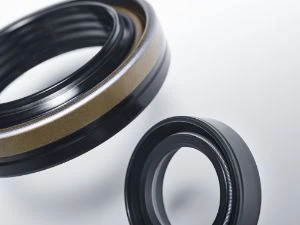

In the world of industrial machinery, efficiency and reliability are paramount. The smooth operation of pumps, mixers, and other rotating equipment is essential for various processes in industries such as manufacturing, agriculture, and oil and gas. One crucial component that ensures these machines run smoothly is the humble yet vital shaft seal. In this article, we'll dive deep into the world of shaft seals, exploring their functions, types, and why they are so crucial in the industrial landscape.
Understanding Shaft Seals
Imagine a pump or mixer as the heart of an industrial process, where fluids flow, and materials mix. The shaft that penetrates through the machine's housing to connect to the motor is like an artery, and it needs protection. This is where shaft seals come into play.
What Are Shaft Seals?
Shaft seals, also known as lip seals or rotary seals, are dynamic seals used to prevent the escape of fluids and contaminants from a rotating or reciprocating shaft. They are crucial for maintaining the integrity and efficiency of industrial equipment.
The Functions of Shaft Seals
Containment: The primary function of a shaft seal is to contain the fluid within the machinery, ensuring it flows only where it's supposed to. This prevents leaks and spillage, which can be costly and hazardous. Protection: Shaft seals shield the machinery from contaminants such as dust, dirt, and chemicals. This is particularly critical in industries where clean processes are essential, like food production and pharmaceuticals. Lubrication: Some shaft seals are designed to retain lubricants around the shaft, reducing friction and wear, thus prolonging the life of the machinery.
Types of Shaft Seals
Radial Shaft Seals: These are the most common type of shaft seals. They consist of a flexible lip that contacts the shaft's surface, creating a dynamic sealing interface. Radial shaft seals are typically used in applications where the shaft rotates. Axial Shaft Seals: Unlike radial seals, axial shaft seals are designed to prevent the axial movement of fluids. They are often used in applications where the shaft moves back and forth. Mechanical Face Seals: These seals consist of two flat faces pressed against each other to create a seal. They are commonly used in heavy-duty applications like construction and mining equipment.
The Importance of Choosing the Right Shaft Seal
Selecting the appropriate shaft seal is critical to ensure optimal performance and efficiency of your machinery. Factors to consider when choosing a shaft seal include:
- Operating Conditions: Consider factors such as temperature, pressure, and the type of fluid being sealed.
- Shaft Speed: The speed at which the shaft rotates or reciprocates affects the choice of seal material and design.
- Chemical Compatibility: Ensure the seal material is compatible with the fluids it will come into contact with.
- Environmental Conditions: If the machinery operates in harsh environments, such as extreme temperatures or exposure to corrosive chemicals, special seals may be required.
Maintenance and Replacement
Like any mechanical component, shaft seals require maintenance and periodic replacement. Regular inspections can help identify signs of wear or damage, such as leaks or excessive friction. Timely replacement of worn-out seals can prevent costly breakdowns and downtime.
The Bottom Line
In the world of industrial machinery, shaft seals may not be the most glamorous components, but they are undeniably essential. These unassuming seals play a pivotal role in ensuring the smooth and reliable operation of pumps, mixers, and other rotating equipment across various industries.
When it comes to choosing and maintaining shaft seals, attention to detail is key. By understanding the specific requirements of your machinery and selecting the right seal for the job, you can ensure that your equipment continues to perform at its best, minimizing downtime and maximizing efficiency.
For high-quality shaft seals that meet your industrial needs, visit (https://www.sealsales.com/). Their range of seals and expert guidance can help keep your machinery's heart protected and your operations running smoothly.

























Sign in to leave a comment.